

When you're shopping for vanilla extract and need an alcohol-free option, the choice between glycerin vs alcohol vanilla extract comes down to one question: does the alcohol matter in your situation? Alcohol-based extract delivers fuller flavor and longer shelf life, but glycerin-based vanilla offers a genuine alcohol-free alternative when religious observance, pregnancy, recovery, or specific dietary needs make traditional extract unsuitable.
Key takeaways
- Alcohol-based extract is the FDA standard—35% alcohol minimum, indefinite shelf life, and complete flavor compound extraction
- Glycerin-based extract cannot legally be called "vanilla extract" but delivers real vanilla flavor without alcohol
- Use alcohol extract for most baking (the alcohol cooks off); choose glycerin when alcohol must be avoided
- Expect to pay $20–50 per 4 oz for premium alcohol extract, $15–40 for glycerin versions
- Glycerin extracts age slower—6 to 12 months versus 2 to 6 months for alcohol—and need refrigeration once opened
The Verdict Up Front
If alcohol is not a concern, stick with traditional alcohol-based vanilla extract every time. It's what the FDA recognizes as "pure vanilla extract," what professional pastry chefs reach for, and what home recipes assume you're using. Alcohol is an exceptional solvent—it pulls vanillin and the two hundred–plus supporting flavor compounds from cured vanilla beans efficiently, preserves them indefinitely, and delivers them cleanly into your batter or dough. When you slide a cake into a 350°F oven, the alcohol burns off completely, leaving only the vanilla essence behind.
But if you're observing halal dietary practices, supporting a loved one in recovery, navigating pregnancy or nursing, or baking with children who shouldn't handle alcoholic ingredients, glycerin-based vanilla becomes essential. It's not a perfect substitution—glycerin is a slower, less complete solvent than ethanol, and it adds a trace of sweetness and viscosity—but a well-made glycerin extract delivers genuine vanilla flavor from real beans, just with a slightly different character. You'll use a bit more per recipe, and you'll keep the bottle in the fridge, but you'll have vanilla flavor that fits your needs.
Side-by-Side Comparison
| Factor | Alcohol-Based Extract | Glycerin-Based Extract |
|---|---|---|
| Flavor delivery | Complete compound profile, concentrated, balanced | Real vanilla flavor, less concentrated, slight sweetness |
| Price per use | $20–50 per 4 oz; lower cost per teaspoon | $15–40 per 4 oz; higher cost per use (need more) |
| Best for | All standard baking, cooking, pastry, showcase desserts | Cold applications, kids' projects, pregnancy, religious observance, recovery |
| Shelf life | Indefinite when sealed | Limited; refrigerate after opening |
| FDA status | Legally "pure vanilla extract" | Must be labeled "vanilla flavoring" or "alcohol-free vanilla" |
Alcohol-Based Extract in Depth
Traditional vanilla extract has been made the same way for more than a century: split vanilla beans, submerge them in ethanol (usually vodka, bourbon, or neutral grain spirits), seal the jar, and wait. The alcohol does two jobs beautifully. First, it's a polar solvent, meaning it dissolves both water-soluble and fat-soluble flavor molecules—vanillin, vanillic acid, p-hydroxybenzaldehyde, and hundreds of aromatic esters and phenols that together create the scent and taste we call "vanilla." Second, it preserves everything it extracts, preventing microbial growth and oxidation for years, even decades.
The FDA standard for pure vanilla extract is specific: at least 35% alcohol by volume and 13.35 ounces of vanilla beans per gallon of liquid. That ratio ensures enough bean material to deliver genuine vanilla character, and the alcohol percentage keeps the extract stable on your pantry shelf. When you bake a batch of vanilla buttercream or mix vanilla into cookie dough, you're working with a concentrate that was designed to withstand heat, cold, fat, and sugar without losing its essence. The alcohol itself evaporates in the oven—a 350°F bake for thirty minutes leaves virtually no ethanol behind—so the teaspoon of extract in your pound cake contributes flavor, not intoxication.
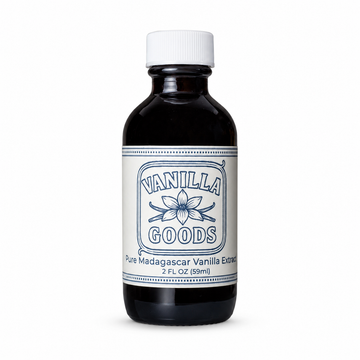
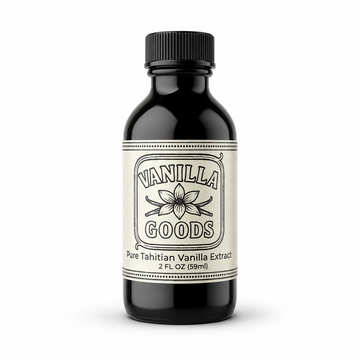
Flavor-wise, alcohol extract is the benchmark. If you're comparing Madagascar vs Indonesian vanilla or exploring Bourbon vs Tahitian vs Mexican vanilla, you're almost always tasting alcohol-based extracts, because that's the medium that showcases each origin's unique profile most clearly. Madagascar brings creamy, sweet vanillin-forward notes; Tahitian offers floral cherry and anise; Mexican delivers bold, spicy warmth. Alcohol captures and carries all of it.
Cost and availability favor alcohol extract, too. A 4-ounce bottle of premium single-origin extract runs $20 to $50 depending on the bean origin and the producer, and because the flavor is concentrated, a teaspoon goes a long way. You'll find alcohol-based vanilla in every grocery store, specialty shop, and online retailer. It's the default, the standard, and—for most bakers—the best choice.
Glycerin-Based Extract in Depth
Glycerin, or glycerol, is a clear, odorless, viscous liquid with a mildly sweet taste. It's derived from vegetable oils—often coconut, palm, or soy—and it's used in everything from cosmetics to pharmaceuticals to food production. As a solvent, glycerin is gentle and polar, meaning it can pull some of the same flavor compounds from vanilla beans that alcohol does, but not as efficiently and not as completely. Where alcohol might extract 80% to 90% of a bean's available vanillin and supporting aromatics over two to three months, glycerin takes six to twelve months to reach a similar (though still lower) concentration.
The slower extraction timeline isn't the only trade-off. Glycerin has a higher viscosity than alcohol, so glycerin-based extract pours thicker and coats the spoon. It also contributes a subtle sweetness—not enough to replace sugar in a recipe, but enough that you might notice a rounder, softer edge in cold applications like yogurt, whipped cream, or no-bake cheesecake. Some bakers appreciate that hint of body; others find it distracting if they're used to the clean, sharp punch of alcohol extract.
Because glycerin is less effective at preserving vanilla than alcohol, glycerin-based extracts have a shorter shelf life. Once opened, they benefit from refrigeration, and even then, you'll want to use them within a year or two. The absence of alcohol also means the FDA won't let producers call it "vanilla extract"—legally, it's "vanilla flavoring," "alcohol-free vanilla," or "glycerin-based vanilla." That regulatory distinction can make it harder to find on store shelves, and it means quality varies more widely. Some brands use real vanilla beans and give the extract time to develop; others add natural or artificial vanilla flavor to glycerin and bottle it immediately. If you're shopping for glycerin vanilla, look for labels that specify the bean origin (Madagascar, Tahitian, Uganda) and list "vanilla beans" and "vegetable glycerin" as the only ingredients.
When glycerin vanilla works well, it's in cold or low-heat applications where the alcohol in traditional extract might taste harsh or "raw." Stirring a teaspoon into Greek yogurt for breakfast, folding it into no-churn ice cream, or adding it to a bowl of frosting that won't see the oven—these are moments when glycerin's gentle, sweet character shines. It's also the right choice when you're baking with kids and you'd rather not have them measuring from a bottle of 70-proof liquid, or when you're preparing food for someone in recovery who finds even the small amount of alcohol in a teaspoon of extract uncomfortable.
When to Choose Each
Choosing between glycerin and alcohol vanilla extract isn't about which is "better" in the abstract—it's about which fits your situation. If you're baking a birthday cake for Sunday dinner and no one in your household has a medical, religious, or personal reason to avoid alcohol, reach for alcohol-based extract without hesitation. The alcohol will evaporate in the oven, the flavor will be fuller and more complex, the shelf life will be indefinite, and the cost per use will be lower. That same guidance applies to cookies, brownies, custards, pastry cream, and anything else that gets heated.
But if you're pregnant and your healthcare provider has asked you to eliminate alcohol entirely—even the trace amounts in extracts—glycerin vanilla gives you a way to keep baking without compromise. If you're Muslim and following halal dietary laws, alcohol-based extract is off the table, and glycerin becomes the path to real vanilla flavor in your kitchen. If you're in recovery and the smell of alcohol extract is a trigger, or if you're baking with a seven-year-old who's learning to measure ingredients, glycerin extract solves a real problem.
Cold applications are another sweet spot for glycerin. If you're making a batch of no-bake vanilla cheesecake filling, the alcohol in traditional extract won't have a chance to cook off, and you might taste a faint boozy note in the finished dessert. Glycerin, by contrast, folds in cleanly, adds a whisper of body, and lets the vanilla flavor come through without any sharpness. The same goes for smoothies, overnight oats, chia pudding, or a bowl of whipped coconut cream—anywhere you want vanilla without heat.
Where glycerin struggles is in high-heat or long-cooked recipes. Baking a batch of cookies at 375°F for twelve minutes will mute some of the subtler vanilla notes in glycerin extract, and because glycerin vanilla is less concentrated to begin with, you'll need to use more—often 1.5 to 2 times the amount called for in a recipe written for alcohol extract. That drives up the cost per use and can throw off the liquid balance in delicate batters. If you're making a showcase dessert—say, a vanilla bean panna cotta or a French buttercream for a wedding cake—and flavor is paramount, alcohol extract (or vanilla powder or paste) will give you a cleaner, more professional result.
Common Mistakes and Pro Tips
One of the most common mistakes when switching from alcohol to glycerin vanilla is using the same amount the recipe calls for. Because glycerin extracts flavor more slowly and less completely, you'll often need 1.5 to 2 teaspoons of glycerin vanilla where the recipe calls for 1 teaspoon of alcohol extract. Start conservatively—add the amount the recipe specifies, taste (if it's a no-bake recipe), and add more if needed. In baked goods, you won't know until the cake comes out of the oven, so it's worth making a test batch and adjusting from there.
Another pitfall is expecting glycerin vanilla to taste identical to alcohol extract. It won't. The flavor profile is softer, rounder, and slightly sweet, with less of the sharp, bright top notes you get from a spirit-based extract. That's not a flaw—it's a characteristic. If you go in expecting a one-to-one match, you'll be disappointed. If you go in understanding that glycerin vanilla is its own thing, with its own strengths, you'll use it more successfully.
Storage matters more with glycerin extracts. While alcohol-based vanilla can sit in your pantry for years, glycerin vanilla benefits from cool, dark storage and refrigeration after opening. The lack of alcohol means there's less natural preservation, so treat it more like an open bottle of fruit syrup than a shelf-stable pantry staple. If you see cloudiness, off smells, or mold, discard it.
If you're making glycerin vanilla at home, be patient. Where alcohol extract starts tasting good at two months and great at six, glycerin extract needs six months minimum and improves for up to a year. Use more beans than you think—four to five beans per cup of glycerin is a good starting ratio—and shake the jar weekly to keep the extraction active. Some home extract makers add a tablespoon or two of water to the glycerin to help it penetrate the bean fibers; others warm the jar gently (not above 140°F) to speed the process. Either approach works, but the key is time.
Finally, if you're using glycerin vanilla in a recipe that also includes acidic ingredients—lemon juice, buttermilk, yogurt—taste as you go. Glycerin's sweetness can sometimes clash with bright acidity in ways that alcohol extract doesn't. A small adjustment to sugar or acid can bring everything into balance.
The Right Beans for Homemade Glycerin Extract
If alcohol isn't an option and you want to make your own glycerin-based vanilla at home, the beans you choose will shape the flavor just as much as the solvent. Madagascar Grade B beans are the workhorse here—they're drier, more affordable, and packed with extractable vanillin, which means they'll give up their flavor to glycerin more readily than plump, moist Grade A beans. A 4-ounce bag of Madagascar Vanilla Beans, Grade B will give you enough material for two cups of extract, and because you're working with glycerin's slower timeline, the beans' lower moisture content is actually an advantage—less risk of dilution, more concentrated flavor over time.
Uganda Grade B beans are another excellent choice, especially if you want a bolder, earthier profile with hints of chocolate and fig. Uganda Vanilla Beans, Grade B, 4oz offer great value and a distinctive character that stands up well in cold applications like overnight oats or chia pudding. If you're making a larger batch—say, a quart of glycerin extract to last the year—an 8-ounce bag of Madagascar Vanilla Beans, Grade B or Uganda Vanilla Beans, Grade B, 8oz gives you the volume you need at a better price per bean.
For a more delicate, floral extract—perfect for fruit-based desserts or morning smoothies—Tahitian beans bring cherry, anise, and tropical fruit notes that glycerin's gentle character complements beautifully. Tahitian Vanilla Beans, Grade B, 4oz are pricier, but the unique flavor profile makes them worth it if you're using the extract in no-bake applications where those high notes won't cook off.
Whichever origin you choose, split the beans lengthwise to expose the tiny seeds and inner paste, then submerge them fully in food-grade vegetable glycerin. Seal the jar, store it in a cool, dark cupboard, and shake it once a week. After six months, strain a teaspoon and taste it. If the vanilla flavor is strong and sweet, it's ready. If it's still faint, give it another two to three months. The beans will continue releasing flavor for up to a year, and unlike alcohol extract, glycerin won't "over-extract" and turn bitter—it just keeps building depth.
Frequently Asked Questions
Can I use glycerin vanilla extract in place of alcohol extract in any recipe?
You can substitute glycerin vanilla in most recipes, but you'll need to adjust the amount and manage expectations. Glycerin extract is less concentrated, so use 1.5 to 2 times the amount called for. It works best in cold or low-heat applications like frosting, yogurt, or no-bake desserts. In high-heat baking, the flavor is softer and rounder than alcohol extract, so if the recipe is a showcase vanilla dessert where flavor is critical, alcohol extract or vanilla paste will give better results.
Does the alcohol in vanilla extract really burn off during baking?
Yes, the vast majority of alcohol evaporates during baking. A teaspoon of vanilla extract contains roughly 0.15 ounces of alcohol, and when you bake a cake at 350°F for thirty minutes or more, nearly all of that ethanol turns to vapor and escapes. Studies show that baked goods retain less than 5% of the original alcohol after typical baking times. If you're concerned about even trace amounts—due to pregnancy, recovery, or religious observance—glycerin extract or vanilla powder are better choices.
Why can't glycerin vanilla be called "vanilla extract"?
The FDA defines "pure vanilla extract" as a product made by extracting vanilla beans in a solution that contains at least 35% alcohol by volume. Glycerin-based products don't meet that standard, so they must be labeled as "vanilla flavoring," "alcohol-free vanilla," or a similar term. This isn't a quality judgment—it's a regulatory classification. A well-made glycerin vanilla can deliver real, delicious vanilla flavor; it just can't legally carry the "extract" name.
How long does glycerin vanilla extract last?
Glycerin vanilla has a shorter shelf life than alcohol extract because glycerin is a less effective preservative. Unopened and stored in a cool, dark place, it can last a year or more. Once opened, refrigerate it and use it within 12 to 18 months for best flavor and safety. If you notice cloudiness, mold, or off odors, discard it. Alcohol-based extract, by contrast, lasts indefinitely when sealed.
Is glycerin vanilla safe for kids?
Yes, glycerin vanilla is safe for children and is often preferred in kids' baking projects because it contains no alcohol. Vegetable glycerin is a common food ingredient with a long safety record, and when it's used to extract real vanilla beans, the result is a genuine vanilla flavor without any of the concerns parents might have about kids handling or tasting alcoholic extracts. Just be sure the product lists real vanilla beans in the ingredients, not artificial vanilla flavor.
What's Next
If glycerin vanilla is the right choice for your kitchen, making your own is simpler and more affordable than buying commercial bottles. Our guide to glycerin vanilla extract walks you through the process step by step, from choosing beans to troubleshooting cloudy extract. If you're still weighing whether homemade or store-bought makes sense, homemade vs store-bought vanilla extract breaks down the cost, time, and quality trade-offs. And if you're curious about the other alcohol-free options—like cold brew vanilla or vanilla powder—we've covered those, too. Whatever your reason for choosing alcohol-free vanilla, you don't have to settle for artificial flavor. Real beans, real time, and the right solvent will get you there.



Article Comments
0 commentsNo comments yet — be the first to share how this turned out for you.
Leave a comment