

When you're weighing vanilla sugar vs extract, you're looking at two ingredients that do different jobs—and knowing which to reach for makes you a more capable baker and cook. Extract delivers concentrated vanilla flavor in a liquid form that blends instantly into batters, custards, and sauces, while vanilla sugar offers a dry, alcohol-free alternative perfect for finishing, sprinkling, and subtle background sweetness. Most serious vanilla cooks keep both on hand because each solves problems the other can't.
Key takeaways:
- Vanilla extract works best for standard baking recipes, custards, and any application requiring concentrated, liquid vanilla flavor.
- Vanilla sugar excels in alcohol-free recipes, dry finishing applications (dusting, sprinkling, glass rims), and anywhere you want subtle vanilla character without added liquid.
- You can make vanilla sugar at home for under $1 per pound using a single vanilla bean and 2 cups of granulated sugar aged 2 to 4 weeks.
- Commercial vanilla sugar costs $5 to $15 per pound; homemade saves $40 to $70 annually for frequent users and delivers better quality.
- Use both together for layered vanilla complexity in premium baking applications.
The Quick Answer
Vanilla extract is your workhorse for everyday baking and cooking where recipes call for vanilla by the teaspoon and you need that flavor to disperse evenly through wet ingredients. Think cake batters, cookie doughs, ice cream bases, and custards—anything with enough liquid to carry the alcohol-based extract and benefit from its concentrated punch. Extract measures easily, mixes invisibly, and delivers consistent results every time you follow a recipe.
Vanilla sugar, on the other hand, shines when you need vanilla flavor in a dry form or when you're avoiding alcohol. If you're rimming a cocktail glass, dusting a warm muffin, sweetening fresh strawberries, or stirring vanilla into your morning coffee without adding liquid, vanilla sugar is the tool for the job. It's also nearly free to make at home by burying spent vanilla pods—the ones you've already used for extract or scraped for seeds—in a jar of granulated sugar and letting time do the work. One bean can flavor several pounds of sugar over many months, which makes vanilla sugar one of the most economical vanilla products you'll ever use.
The real insight is that these two aren't direct substitutes; they're complementary. Extract brings bold, immediate vanilla impact. Sugar adds gentle, aromatic vanilla character and serves as both sweetener and flavoring. When you understand what each does best, you stop trying to force one into the other's role and start building a more versatile vanilla pantry.
What Vanilla Sugar Is
Vanilla sugar is exactly what it sounds like: granulated sugar that has absorbed the aroma and flavor of vanilla beans stored inside it. You split a vanilla pod, bury it in a jar of white or brown sugar, seal the container, and let it sit for a few weeks while the sugar pulls the vanilla's aromatic compounds into itself. What you end up with is a dry, free-flowing sweetener that tastes and smells unmistakably of vanilla—no liquid, no alcohol, just sugar infused with the gentle fragrance of real vanilla.
This works because sugar is hygroscopic, meaning it naturally absorbs moisture and volatile aromatic molecules from whatever sits next to it. Vanilla pods are packed with vanillin and hundreds of other flavor compounds that slowly migrate into the sugar crystals over time. The process is passive and forgiving; you don't need heat, stirring, or any special technique. You just need patience, a sealed jar, and a vanilla bean—ideally one you've already used for another purpose, like making extract or scraping seeds for a custard.
You can make vanilla sugar from any type of granulated sugar: white, raw, turbinado, brown, even powdered sugar for a finer finish on pastries. Each base brings its own character. White sugar stays neutral and showcases pure vanilla. Brown sugar adds molasses warmth. Raw sugar contributes a hint of caramel. You can also customize by mixing different vanilla origins—combine Madagascar and Tahitian beans for a blend of creamy richness and floral brightness, or add a Mexican bean for a spicy edge. Some cooks scrape the tiny seeds from spent pods and stir them into the sugar for visual flecks, though the pods alone will carry plenty of flavor.
Once your vanilla sugar is ready, it keeps indefinitely in a sealed container. As you use it, you can top off the jar with fresh sugar, and the same beans will continue to perfume new batches for months or even a full year before they need replacing. This perpetual infusion model makes vanilla sugar one of the most sustainable, low-maintenance ways to get vanilla flavor into your everyday cooking.
How to Make Vanilla Sugar
Start with one vanilla bean—Grade B extraction beans work beautifully here because they're drier and release aromatics more readily than plump Grade A pods, though either grade will do the job. You'll also need 2 cups of granulated sugar and a clean glass jar with a tight-fitting lid. Split the vanilla bean lengthwise with a paring knife, bury it in the sugar, seal the jar, and tuck it into a cool, dark cupboard. Shake the jar every few days to redistribute the sugar and help the infusion along. In two to four weeks, your sugar will smell unmistakably of vanilla and be ready to use.
If you've already used a vanilla pod for another purpose—scraped the seeds for crème brûlée, steeped it in milk for ice cream, or pulled it from a batch of homemade extract—you can give it a second life in sugar. Rinse the pod if it's been in a liquid, pat it dry or let it air-dry completely, then bury it in sugar just as you would a fresh bean. Spent pods still hold plenty of aromatic compounds, and this recycling step squeezes every last bit of value from an ingredient that's too precious to waste. You're essentially getting free vanilla sugar from beans you've already paid for.
For a more intense flavor, use two or three beans per 2 cups of sugar, or let the jar age for several months instead of just a few weeks. You can also experiment with blending vanilla origins: a Madagascar bean for classic sweetness, a Tahitian pod for floral notes, and a pinch of seeds for visual appeal. Some bakers make multiple jars—vanilla white sugar for delicate pastries, vanilla brown sugar for oatmeal cookies, vanilla powdered sugar for dusting cakes. Once you start, you'll find yourself reaching for a jar every time you bake or brew coffee, and you'll never want to be without it.
Maintaining your vanilla sugar is effortless. As the level drops, pour in more sugar to refill the jar. The beans will keep working, flavoring batch after batch. After about a year, the pods will have given most of what they have to offer, and you can compost them and start fresh with new beans. Until then, you have a self-renewing pantry staple that costs pennies per use and adds a layer of sophistication to even the simplest recipes.
Vanilla Sugar Applications
Vanilla sugar solves problems that extract can't touch, starting with any situation where you want vanilla flavor but can't add liquid. If you're dusting the top of a lemon pound cake fresh from the oven, you want a dry sprinkle that won't turn gummy or dissolve into the crust—vanilla sugar gives you that sweet, aromatic finish in one step. The same goes for rimming the edge of a cocktail glass for an espresso martini or lemon drop; a quick swipe of citrus juice followed by a dip in vanilla sugar creates a flavor accent that liquid extract would simply drip away.
Fresh fruit loves vanilla sugar. Toss sliced strawberries, peaches, or figs with a tablespoon of vanilla sugar half an hour before serving, and the sugar draws out the fruit's juices while infusing them with gentle vanilla. The result is a simple, elegant dessert that tastes more intentional than plain fruit but doesn't require any cooking. You can do the same with whipped cream: sweeten it with vanilla sugar instead of plain granulated, and you get stable, vanilla-scented cream without the pale tan tint that extract sometimes leaves behind.
Vanilla sugar also transforms everyday rituals. Stir a teaspoon into hot coffee or tea for a vanilla latte without syrups or flavorings. Sprinkle it over oatmeal, yogurt, or French toast for a breakfast upgrade. Use it in place of plain sugar in any baking recipe where you want an extra whisper of vanilla—sugar cookies, shortbread, muffin tops, pie crusts. Because vanilla sugar is dry, it won't throw off a recipe's liquid balance the way adding an extra teaspoon of extract might, so you can swap it in freely wherever granulated sugar appears.
There are a few places vanilla sugar doesn't work well. If a recipe calls specifically for liquid vanilla—like a custard where the extract needs to disperse through milk and eggs—sugar won't deliver the same intensity or even distribution. Vanilla sugar is subtle, not bold, so if you're making a vanilla bean ice cream or a vanilla buttercream where vanilla is the star, you'll still want extract (or paste, or whole beans). But for finishing touches, alcohol-free applications, and gentle background vanilla character, vanilla sugar is unmatched.
Pricing and Value
Commercial vanilla sugar, when you can find it, typically runs $5 to $15 per pound in specialty grocery stores or online. It's positioned as a premium ingredient, often imported from Europe where vanilla sugar is a traditional pantry staple. The quality varies—some brands use real vanilla, others rely on vanillin flavoring—and availability can be spotty. If you bake often and use a pound or two of vanilla sugar a year, you're looking at $50 to $100 in annual spending for a product that's genuinely easy to make yourself.
Homemade vanilla sugar costs a fraction of that. A single vanilla bean runs $1 to $3 depending on origin and grade, and 2 cups of granulated sugar (about one pound) costs $0.50 to $1.50. That puts your total ingredient cost at $1.50 to $4.50 for a pound of premium, single-origin vanilla sugar that you've customized to your taste. If you're using spent vanilla pods that you've already extracted value from, the effective cost drops to just the price of the sugar—under $1 per pound. Over the course of a year, making your own vanilla sugar instead of buying it saves $40 to $70, and you end up with a better product made from beans you've chosen yourself.
The economics get even more compelling when you factor in the longevity of the beans. One vanilla pod buried in sugar will continue to perfume fresh batches for six months to a year as you refill the jar. If you use 10 pounds of vanilla sugar annually, you might only need three or four beans total, especially if you're recycling spent pods. That's $3 to $12 in vanilla beans plus $5 to $15 in sugar for a year's supply of an ingredient that would cost $50 to $150 retail. The math is unambiguous, and the quality is better because you're starting with whole, premium beans rather than commercial blends of unknown provenance.
Comparing the Two
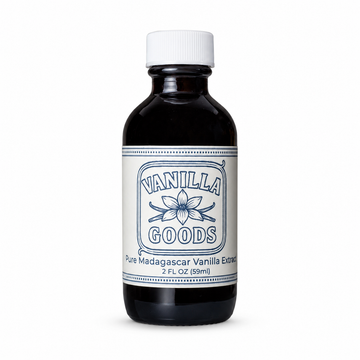
Vanilla extract is a liquid made by steeping vanilla beans in alcohol (and sometimes water) until the alcohol pulls out the flavor compounds—primarily vanillin, but also hundreds of other molecules that give real vanilla its complexity. The result is a concentrated, shelf-stable flavoring that measures easily, blends invisibly into wet ingredients, and delivers consistent vanilla impact teaspoon by teaspoon. Extract is what most recipes mean when they call for "vanilla," and it's the backbone of vanilla baking in kitchens around the world. It's also alcohol-based, which matters both for flavor (alcohol carries aromatics in ways water can't) and for people who avoid alcohol in their cooking. You can read more about why vanilla extract has alcohol and how that shapes its performance.
Vanilla sugar, by contrast, is a dry ingredient—a sweetener and a flavoring in one. It doesn't concentrate vanilla flavor the way extract does; instead, it adds a gentle, aromatic vanilla character wherever you'd normally use sugar. Because it's dry, it works in applications where liquid would be a problem: sprinkling, dusting, finishing, and dry-sensitive doughs. Because it's alcohol-free, it's ideal for anyone cooking for children, avoiding alcohol for personal or religious reasons, or simply preferring not to taste the faint alcoholic edge that extract can leave in no-bake or low-heat recipes.
Here's a side-by-side look at how they stack up:
| Feature | Vanilla Extract | Vanilla Sugar |
|---|---|---|
| Form | Liquid | Dry, granulated |
| Flavor intensity | Concentrated, bold | Subtle, aromatic |
| Alcohol content | 35% minimum (FDA standard) | None |
| Best for | Batters, custards, sauces, standard recipes | Finishing, sprinkling, dry applications, alcohol-free cooking |
| Price per use (homemade) | ~$0.10–$0.30 per teaspoon | ~$0.02–$0.05 per tablespoon |
| Ease of making at home | Moderate (requires 2–3 months aging) | Very easy (2–4 weeks aging, minimal effort) |
The flavor profile differs, too. Extract delivers vanilla in a concentrated burst—when you add a teaspoon to a cake batter, you're dosing in enough vanillin and companion molecules to perfume the entire batch. Vanilla sugar, because it's diluted across many tablespoons of sugar, adds vanilla more gently and gradually. If you swap vanilla sugar for plain sugar in a recipe, you'll notice a subtle shift in aroma and a whisper of vanilla on the palate, but it won't overpower other flavors. That subtlety is part of vanilla sugar's charm: it enhances without announcing itself.
Extract also carries flavor differently because of the alcohol. Alcohol is a powerful solvent that holds volatile aromatics in suspension and releases them when heated or mixed into fat and liquid. That's why extract works so well in batters, custards, and sauces—the alcohol helps vanilla flavor distribute evenly and survive baking. Vanilla sugar, lacking alcohol, doesn't penetrate or distribute in the same way. It flavors by proximity: the sugar crystals themselves carry the vanilla, so wherever the sugar goes, the vanilla follows. That makes it perfect for finishing and surface applications, but less effective when you need vanilla flavor deep inside a dense batter.
One isn't better than the other; they're built for different tasks. If you're baking chocolate chip cookies and the recipe calls for a teaspoon of vanilla extract, use extract—it's the right tool. If you're finishing a batch of sugar cookies with a sprinkle of sweetness before they go into the oven, reach for vanilla sugar. And if you're making a vanilla layer cake for a special occasion, consider using both: extract in the batter for bold vanilla backbone, and vanilla sugar in the whipped cream frosting for a second, subtler layer of vanilla character. That kind of thoughtful layering is what separates good baking from great baking.
When to Choose Each
Choose vanilla extract any time a recipe explicitly calls for it, especially in standard baking applications like cakes, cookies, brownies, and quick breads. Extract blends seamlessly into batters and doughs, delivering vanilla flavor that bakes evenly throughout. It's also your best option for custards, puddings, ice cream bases, and sauces where you need concentrated vanilla impact and the liquid won't disrupt the recipe's structure. If you're doubling a vanilla cake recipe and want to boost the vanilla further, add more extract (within reason—vanilla can turn bitter if you overdo it). Extract is predictable, measurable, and reliable, which is why it's the backbone of vanilla baking.
Choose vanilla sugar when you're working in dry or alcohol-free contexts, or when you want vanilla as a finishing flourish rather than a core flavor. If you're baking for someone who avoids alcohol, vanilla sugar is an easy, flavorful swap that keeps the recipe intact. If you're sprinkling sugar on a muffin top before baking or dusting a cake with powdered sugar after it cools, vanilla sugar adds an extra dimension that plain sugar can't. Use it to sweeten whipped cream, rim cocktail glasses, toss with fresh berries, or stir into coffee and tea. Anywhere you'd normally reach for granulated sugar and think, "This could use a little something extra," vanilla sugar is that something.
There are also hybrid applications where using both makes sense. For a pound cake, you might use extract in the batter and vanilla sugar in the glaze. For vanilla shortbread, you could add extract to the dough and roll the logs in vanilla sugar before slicing and baking. For a fruit crisp, toss the fruit with vanilla sugar and add extract to the topping. This layered approach builds complexity—the extract provides depth, the sugar provides aroma—and it's a technique professional pastry chefs use to create desserts that taste more nuanced than their ingredient lists suggest.
If you're new to vanilla and trying to decide which to buy first, start with extract. It's more versatile for everyday baking and matches what most recipes expect. But once you have extract in hand, consider making a jar of vanilla sugar as your next step. The investment is minimal—one vanilla bean, a bag of sugar, ten minutes of effort—and the payoff is a second vanilla tool that opens up new applications and gives you more control over how you use vanilla in your kitchen. Having both on your shelf means you're never stuck choosing between them; you can use the right one for each job and combine them when it makes sense.
Common Mistakes and Pro Tips
One common mistake is trying to substitute vanilla sugar for extract in recipes that depend on liquid vanilla. If a custard or cake batter calls for a teaspoon of extract, adding a tablespoon of vanilla sugar won't deliver the same intensity or distribution. The sugar will sweeten the recipe slightly and add a hint of vanilla, but it won't replace the concentrated, alcohol-borne flavor that extract provides. If you're adapting a recipe to use vanilla sugar instead of extract, you'll need to rethink the balance—consider using vanilla sugar to replace some or all of the plain sugar in the recipe, then adjust other liquids if necessary. For guidance on conversions, see vanilla beans to extract conversion.
Another mistake is expecting instant results when making vanilla sugar. Fresh vanilla sugar straight from the jar after just a few days will smell faintly of vanilla but won't have developed full flavor. Give it at least two weeks, ideally four, and shake the jar every few days to redistribute the sugar and expose fresh crystals to the bean. Patience pays off: a well-aged vanilla sugar will smell like the inside of a vanilla pod and carry that aroma into whatever you cook with it.
A pro tip for maximizing value: after you make a batch of homemade vanilla extract, don't throw away the spent beans. Rinse them, dry them completely, and bury them in sugar. Those beans still have aromatic life left in them, and they'll perfume sugar beautifully even after months in alcohol. You're getting two products—extract and sugar—from the same beans, which makes the per-use cost of vanilla almost trivial.
Another pro tip: if you're making vanilla powdered sugar for dusting cakes or pastries, add the vanilla bean to powdered sugar and let it infuse for a few weeks, then sift the sugar before using it to remove any stray vanilla seeds or pod fragments. The result is a silky, aromatic finishing sugar that elevates even a simple sheet cake into something that looks and tastes like it came from a bakery.
Finally, don't limit yourself to white sugar. Vanilla brown sugar is spectacular in oatmeal cookies, coffee cake crumb toppings, and barbecue rubs. Vanilla raw sugar makes a beautiful crunchy topping for muffins and scones. Vanilla turbinado sugar adds both texture and flavor to the rim of a margarita glass or the top of a crème brûlée. Once you start thinking of vanilla sugar as a customizable ingredient rather than a single product, you'll find dozens of ways to use it.
Which Vanilla Beans to Use for Homemade Vanilla Sugar
For making vanilla sugar at home, Grade B extraction beans are ideal because they're drier, more affordable, and release their aromatics readily into sugar. Madagascar Grade B beans deliver the classic, creamy vanilla flavor most people expect, and they're widely available at reasonable prices. If you want to explore other origins, Tahitian Grade B beans add floral, fruity notes that work beautifully in sugar destined for fruit desserts or tea. Uganda Grade B beans bring a rich, earthy character that pairs well with brown sugar for baking applications.
You can find premium single-origin beans for vanilla sugar at VanillaGoods, where every bean is traceable to its farm and graded for freshness. The Madagascar Vanilla Beans, Grade B, 4oz bag is a particularly good value if you're planning to make several jars of vanilla sugar or if you want extra beans to refresh your jar as the original pods lose potency over time. A 4oz bag typically holds 8 to 12 beans depending on size, which is enough to keep a perpetual vanilla sugar jar going for a full year and still have beans left over for extract or baking.
If you're just starting out and want to try vanilla sugar without committing to a large quantity of beans, the Madagascar Vanilla Beans, Grade B, 5 Beans is a perfect entry point. Five beans will make multiple batches of vanilla sugar, and if you're recycling spent pods from extract-making or baking, you'll have more than enough to experiment with different sugars and blends. For more on selecting beans, see best vanilla beans for homemade extract—the same qualities that make a bean great for extract also make it excellent for sugar.
Frequently Asked Questions
Can I use vanilla sugar instead of vanilla extract in recipes?
You can't swap vanilla sugar directly for vanilla extract in most recipes because they deliver vanilla in different forms—extract is a concentrated liquid, sugar is a diluted dry ingredient. If a recipe calls for a teaspoon of extract, replacing it with a teaspoon of vanilla sugar won't give you enough vanilla flavor and will throw off the recipe's liquid balance. A better approach is to use vanilla sugar to replace some or all of the granulated sugar in the recipe, which adds subtle vanilla character without changing the structure. For more on substitutions, see substitute vanilla extract for beans.
How long does homemade vanilla sugar last?
Homemade vanilla sugar lasts indefinitely as long as you store it in a sealed container in a cool, dry place. Sugar itself doesn't spoil, and the vanilla beans act as natural preservatives. Over time—typically six months to a year—the beans will lose their potency and stop adding new flavor to the sugar, at which point you can replace them with fresh beans. The sugar itself remains perfectly usable, and you can keep topping off the jar with fresh sugar as you use it, making vanilla sugar a truly perpetual pantry staple.
Is vanilla sugar the same as vanilla powder?
No, vanilla sugar and vanilla powder are different products. Vanilla sugar is granulated sugar infused with vanilla flavor, while vanilla powder is ground whole vanilla beans (sometimes mixed with a carrier like cornstarch or maltodextrin) with no added sweetener. Vanilla powder delivers intense vanilla flavor without liquid or alcohol, making it useful in dry rubs, spice blends, and recipes where you want vanilla without sweetness. Vanilla sugar, by contrast, is primarily a sweetener with vanilla as a background note. For more on vanilla powder and how it compares to other forms, see vanilla paste vs extract vs powder.
Can I make vanilla sugar with vanilla extract instead of beans?
Technically yes, but the results are disappointing. If you mix a few teaspoons of vanilla extract into granulated sugar and let it dry, you'll end up with sugar that smells faintly of vanilla, but the alcohol in the extract will evaporate and take much of the aroma with it. You also risk clumping if the sugar doesn't dry evenly. Using whole vanilla beans—fresh or spent—produces far better flavor, lasts longer, and gives you a product that's more aromatic and useful. Beans are the right tool for vanilla sugar; save your extract for liquid applications where it shines.
What's the best type of sugar to use for vanilla sugar?
White granulated sugar is the most common and versatile base because it has a neutral flavor that showcases vanilla clearly. But you can make vanilla sugar from any type of sugar: brown sugar for a molasses-rich version perfect for cookies and oatmeal, raw or turbinado sugar for a coarser texture and caramel notes, or powdered sugar for a fine dusting sugar ideal for finishing cakes and pastries. Each base brings its own character, so it's worth making multiple jars if you bake often. Start with white granulated to learn the process, then branch out once you see how much you use vanilla sugar in your cooking.
Next Steps
Now that you understand the difference between vanilla sugar and extract—and when to use each—you're equipped to build a more thoughtful, versatile vanilla pantry. If you haven't made vanilla sugar yet, start a jar this week. Pick up a few Grade B vanilla beans, bury them in sugar, and let time do the work. In a month you'll have a homemade ingredient that costs pennies per use and opens up new finishing and flavoring possibilities every time you cook.
For more comparisons that help you choose the right vanilla product for every application, explore the vanilla comparisons series. You'll find detailed guides on vanilla bean caviar vs whole pod, vanilla extract vs vanilla essence, and whole vanilla beans vs extract cost—each one designed to help you make smarter, more confident decisions about how you buy and use vanilla.



Article Comments
0 commentsNo comments yet — be the first to share how this turned out for you.
Leave a comment