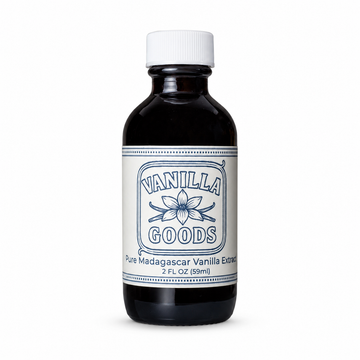

If you've ever wondered why does vanilla extract have alcohol, the answer comes down to chemistry: alcohol is the most effective solvent for pulling out vanilla's 250+ flavor compounds—everything from vanillin to the delicate aromatic notes that make real vanilla so complex. Water can't do it, glycerin only does it halfway, and without alcohol you'd lose the depth that defines true vanilla character. This isn't a quirk of history or an arbitrary choice; it's the best tool for the job, and the FDA requires at least 35% alcohol by volume precisely because anything less won't extract or preserve vanilla properly.
Key takeaways
- Vanilla extract must contain at least 35% alcohol by volume to meet FDA standards for "pure extract"
- Alcohol dissolves both polar and non-polar flavor compounds, extracting 250+ molecules that water and glycerin can't capture completely
- Alcohol preserves vanilla naturally—no refrigeration needed—and allows extract to improve over time
- Most alcohol burns off during baking, leaving only trace amounts in finished dishes
- Alternatives like glycerin-based extract exist but produce different, less complete flavor profiles
The Short Answer: Alcohol Does What Nothing Else Can
Vanilla extract contains alcohol because alcohol extracts the complete flavor profile, preserves it indefinitely, and meets the federal standard that ensures you're getting the real thing. If you're standing in your kitchen holding a bottle and reading the label for the first time, those three facts explain the entire story. Vanillin—the primary flavor compound everyone associates with vanilla—is only one piece of a much bigger puzzle. Real vanilla beans contain more than 250 secondary compounds that contribute floral, fruity, spicy, and creamy notes, and alcohol is the only common food-grade solvent that can pull all of them out of the bean and keep them stable in your pantry for years. Water-based extracts miss huge swaths of flavor, and glycerin-based versions extract some compounds but not others, leaving you with a noticeably different taste. The 35% minimum alcohol standard isn't arbitrary—it reflects the concentration needed for proper extraction and preservation, a benchmark refined over more than a century of commercial vanilla production.
The Chemistry of Vanilla Extraction: Why Alcohol Works and Water Doesn't
When you split open a vanilla bean, you're looking at one of nature's most chemically complex ingredients. Vanillin is the star, but it's supported by a cast of hundreds: phenolic compounds, aldehydes, esters, and volatile oils that together create the scent and flavor we recognize as vanilla. Some of these molecules are polar (they dissolve in water), and some are non-polar (they dissolve in fats and oils), and here's where alcohol earns its place: ethanol is amphipathic, meaning it dissolves both types. When you steep vanilla beans in vodka or bourbon, the alcohol migrates into the bean's cellular structure, breaks down cell walls, and pulls out every category of flavor compound—vanillin, guaiacol, anisyl alcohol, and dozens more—into a stable, aromatic solution. Water, by contrast, only grabs the water-soluble fraction, leaving behind the oils and many of the subtler notes that give vanilla its warmth and complexity. If you've ever made a "water-based vanilla" at home and wondered why it tastes thin or one-dimensional, that's why: you're tasting half the bean.
Glycerin does better than water—it's a polyol that can dissolve some non-polar compounds—but it still falls short of alcohol's range. Glycerin-based extracts tend to taste sweeter and less sharp, with a rounder but less vivid vanilla character. They're a legitimate option if you need to avoid alcohol for religious, dietary, or personal reasons, but they're not chemically equivalent. If you want the full spectrum of what a Madagascar or Tahitian bean can offer, alcohol is the solvent that delivers it. For more on how glycerin compares in practice, see our full comparison in Glycerin vs Alcohol Vanilla Extract Compared.
FDA Standards for Vanilla Extract: Why 35% Alcohol Is the Law
The U.S. Food and Drug Administration sets a clear bar for what can be labeled "pure vanilla extract": it must contain a minimum of 35% alcohol by volume and be made from at least 13.35 ounces of vanilla beans per gallon of liquid. Those numbers aren't suggestions—they're legal requirements, and any product that falls short must be labeled differently (as "vanilla flavor," "imitation vanilla," or something similar). The 35% threshold exists because decades of research and industry experience showed that lower alcohol levels don't extract the full range of flavor compounds efficiently and don't preserve the extract as well. If you're steeping beans at 25% alcohol, you might get decent vanillin extraction, but you'll lose volatile aromatics and risk spoilage over time. The 13.35-ounce-per-gallon bean requirement ensures that there's enough vanilla material in the bottle to produce a robust, restaurant-quality flavor.
This standard protects you as a consumer. When you buy a bottle labeled "pure vanilla extract," you know you're getting a product that meets a consistent, tested benchmark—no matter which brand you choose. It also means that homemade extract, if you want it to match commercial quality, should aim for the same ratios: roughly 1 ounce of beans per cup of 40% ABV vodka or bourbon will get you into that range. If you're planning to make your own, start with our guide to How to Make Homemade Vanilla Extract: The Complete Guide, and consider using the best alcohol for vanilla extract to ensure your results match or exceed what you'd buy.
Historical Context: How Vanilla and Alcohol Became Inseparable
Vanilla's journey to your pantry started in Mesoamerica, where the Totonac and later the Aztec people cultivated vanilla orchids and used the cured beans to flavor chocolate drinks. When Spanish conquistadors brought vanilla to Europe in the early 1500s, it was still used whole—split, scraped, and steeped directly into milk or sugar. The idea of making a liquid extract came later, in the 1700s and 1800s, when European and American pharmacists and confectioners began experimenting with alcohol-based tinctures to capture and concentrate flavors. Alcohol was already the go-to solvent for medicinal and culinary extracts (think almond, lemon, peppermint), and it worked beautifully with vanilla. By the late 19th century, commercial vanilla extract was an established product in both Europe and North America, and the alcohol-based formula had become the standard because it simply worked better than any alternative.
That tradition has held for more than a century. French pastry chefs, American home bakers, and Latin American cooks all rely on the same basic formula: vanilla beans plus alcohol equals a shelf-stable, potent flavoring that can be measured by the teaspoon and stored for years. The reason alcohol "won" historically isn't just that it was available—it's that it produced the best flavor and the longest-lasting product. If water or glycerin had worked as well, we'd be using them. They don't, so we aren't.
How Alcohol Preserves Vanilla: Shelf Life and Flavor Development
One of alcohol's underappreciated superpowers is preservation. At 35% ABV or higher, ethanol inhibits the growth of bacteria, mold, and yeast, which means your vanilla extract doesn't need refrigeration and won't spoil even if you keep it in the pantry for five or ten years. (In fact, it often improves with age—more on that in a moment.) Water-based vanilla, by contrast, is a microbial playground: without a preservative, it will develop mold or off flavors within weeks. Glycerin-based extracts are more stable than water but still don't match alcohol's indefinite shelf life, and they often require refrigeration after opening.
But preservation is only half the story. Alcohol also allows vanilla extract to mature. If you're making homemade extract and you taste it at two months versus twelve months, you'll notice a dramatic difference: the harsh, raw alcohol bite mellows, the vanilla deepens, and secondary notes—caramel, floral, even slight smokiness depending on the bean—emerge and integrate. This is similar to what happens when whiskey or wine ages: chemical reactions between the alcohol, the bean compounds, and trace amounts of oxygen create new flavor molecules and smooth out rough edges. Commercial extract makers take advantage of this; some age their extract in oak barrels or stainless tanks for months before bottling. If you've ever wondered why homemade extract improves over time, this is why—and why a bottle that's been open for a year often tastes better than a fresh one.
Alcohol Types Used: Vodka, Bourbon, Rum, and Beyond
Not all alcohols are created equal, and the type you choose (or the type a commercial producer chooses) will subtly influence the final extract. Vodka is the most common base because it's neutral—it has almost no flavor of its own, which lets the vanilla shine without competition. If you're buying extract at the grocery store, odds are it's vodka-based. Most vodkas clock in around 40% ABV, which is perfect for meeting the FDA minimum and extracting a clean, classic vanilla flavor. For DIY extract makers, vodka is the safe, reliable choice.
Bourbon is the next most popular option, especially among home extract enthusiasts and artisan producers. Bourbon brings its own personality to the party: caramel, oak, vanilla (yes, bourbon already has vanilla notes from the charred barrels it ages in), and a slight sweetness. When you use bourbon to extract vanilla, you get a richer, more complex profile that works beautifully in baked goods, barbecue sauces, and cocktails. If you've ever tasted a bourbon-vanilla extract and thought it was "warmer" or "deeper" than vodka-based extract, that's the bourbon talking. For more on selecting the right spirit, see Best Alcohol for Vanilla Extract: Vodka, Bourbon & More.
Rum is a natural partner for vanilla, especially if you're working with beans from tropical origins like Tahiti, Tonga, or Papua New Guinea. Rum adds a hint of molasses, tropical fruit, and island character that complements vanilla's floral and fruity notes. It's less common commercially but popular among DIY makers who want a Caribbean or tropical flavor profile. Brandy, made from distilled wine or fruit, brings a subtle fruitiness and elegance that pairs well with French or European baking traditions. Each spirit contributes something different, but all of them work because they're high-proof alcohols that extract and preserve the vanilla effectively.
| Alcohol Type | ABV Range | Flavor Profile | Best For |
|---|---|---|---|
| Vodka | 40% | Neutral, clean | Classic extract, all-purpose baking |
| Bourbon | 40-50% | Caramel, oak, vanilla | Rich desserts, BBQ, cocktails |
| Rum | 40% | Tropical, molasses | Island-style baking, tropical desserts |
| Brandy | 40% | Fruit, wine-like | European pastries, elegant desserts |
What to Do: Using Vanilla Extract with Confidence
If you're baking a pound cake for Sunday dinner or stirring a teaspoon into your morning coffee, the alcohol in vanilla extract is nothing to worry about. The amount you use is tiny—most recipes call for one to two teaspoons, which translates to roughly 0.3 to 0.6 milliliters of pure alcohol in an entire batch of cookies or cake. When you bake at 350°F for 30 minutes or longer, much of that alcohol evaporates, leaving behind only the flavor compounds. Studies show that after an hour of baking, about 75% of the alcohol is gone; after two hours, it's closer to 95%. What remains is negligible—far less than you'd find in a ripe banana or a slice of bread (yes, bread contains trace alcohol from fermentation).
For no-bake applications like frostings, whipped cream, or cold cocktails, more alcohol remains, but the quantity is still so small that it's not a concern for adults or children in normal culinary use. A teaspoon of extract in a batch of buttercream frosting that serves twelve people means each serving contains a fraction of a milliliter of alcohol—less than you'd get from a bite of kombucha or a sip of fruit juice that's been open for a few days. If you have specific concerns—pregnancy, religious dietary laws, recovery from alcohol use disorder—it's worth reading our detailed guides on Is Vanilla Extract Safe During Pregnancy? and Can Vanilla Extract Make Kids Drunk? for context and reassurance.
If you prefer to avoid alcohol entirely, you have options. Glycerin-based vanilla extract is widely available and works well in most recipes, though it will taste slightly different—a bit sweeter, less sharp, and without the same aromatic punch. You can also make a cold-brew vanilla using glycerin and time instead of heat or alcohol; our guide to Glycerin Vanilla Extract: The Alcohol-Free Alternative and Cold Brew Vanilla: Extract Vanilla Without Heat or Alcohol walk through the process. Just know that the flavor won't be identical—alcohol extracts more, and more completely, than any substitute.
Common Mistakes and Pro Tips
One of the biggest mistakes home extract makers fall into is using too little alcohol or choosing a low-proof spirit. If you steep beans in 20% ABV liqueur or dilute your vodka with water to "stretch" it, you'll end up with weak, under-extracted vanilla that tastes thin and spoils faster. Stick to 40% ABV or higher—vodka, bourbon, rum, or brandy—and use enough beans to hit that 1 ounce per cup ratio. Another common error is tasting your extract too early and assuming it's done. Vanilla extract needs at least two months to develop, and it continues to improve for six months to a year. If you taste it at three weeks and it's harsh or one-note, be patient. Time is part of the process.
On the flip side, a pro tip: if your homemade extract tastes too alcoholic even after months of aging, it might be because your beans were too dry or you used too much alcohol relative to bean mass. The solution is to add more beans or let it age longer—the vanilla compounds will continue to mellow the alcohol bite. If you're troubleshooting weak flavor, check out Why Is My Vanilla Extract Weak? Fix It. And if your extract tastes bitter, especially early on, that's normal—bitterness fades with time, but if it persists, see Bitter Homemade Vanilla Extract: Fix It for diagnosis and fixes.
When Alcohol-Free Makes Sense: Glycerin and Other Alternatives
There are legitimate reasons to seek out or make alcohol-free vanilla. Some people avoid alcohol for religious reasons (halal, kosher, or other dietary laws), others are in recovery and prefer not to cook with it even in trace amounts, and some simply want a product they can give to children without any second-guessing. Glycerin-based vanilla extract fills that niche. Glycerin (also called glycerol) is a thick, sweet, colorless liquid derived from vegetable oils, and it's a decent solvent for some—though not all—of vanilla's flavor compounds. The result is a vanilla extract that's noticeably sweeter and less sharp than alcohol-based versions, with a softer, rounder profile. It's not worse, just different, and some bakers actually prefer it in frostings or candy where the sweetness is a feature rather than a bug.
That said, glycerin extract does have trade-offs. It extracts fewer volatile aromatic compounds, so you lose some of the top notes—the floral, fruity, and spicy accents that make vanilla so compelling. It's also thicker and stickier, which can affect how it disperses in batters and doughs. And while glycerin is a preservative, it's not as robust as alcohol, so glycerin extracts often have a shorter shelf life and may require refrigeration. If you're curious about making your own, Glycerin Vanilla Extract: The Alcohol-Free Alternative covers the process step by step. For a side-by-side flavor and performance breakdown, see Glycerin vs Alcohol Vanilla Extract Compared.
Related Questions: What Else You Need to Know
Can I substitute vanilla extract for whole beans?
Yes, you can substitute vanilla extract for whole beans in most recipes, and the conversion is straightforward: one vanilla bean equals about one tablespoon (three teaspoons) of pure vanilla extract. The reverse also works—if a recipe calls for extract and you want to use beans instead, split and scrape one bean for every tablespoon of extract. Keep in mind that beans add visual specks and a slightly different texture, which is desirable in custards and ice creams but less so in white cakes or clear glazes. For full details on when and how to swap, see Substitute Vanilla Extract for Beans? | VanillaGoods and Vanilla Beans to Extract Conversion.
Does the alcohol in vanilla extract burn off completely when you bake?
Most of it does, but not quite all. After 30 minutes of baking at 350°F, about 65% of the alcohol has evaporated; after an hour, it's closer to 75%, and after two hours, roughly 95% is gone. The small amount that remains is trace-level—less than what naturally occurs in many fermented or ripe foods. In no-bake applications like frosting or whipped cream, more alcohol remains, but the quantity per serving is still negligible. If you're concerned about alcohol for dietary, religious, or health reasons, consider using glycerin-based extract or adding the extract to hot mixtures (like custard bases) that will evaporate more of the alcohol before cooling.
Why does my homemade vanilla extract smell more alcoholic than store-bought?
Homemade extract often smells and tastes more alcoholic in the first few months because it hasn't had time to mellow and integrate. Commercial extract is typically aged for at least six months to a year before bottling, which allows the harsh alcohol notes to soften and the vanilla compounds to fully develop. If your homemade extract is less than two months old, it's still "raw"—give it more time, ideally six months to a year, and the alcohol bite will fade. If it's been aging for a long time and still tastes harsh, you may have used too much alcohol relative to beans, or your beans may have been too dry to release enough flavor compounds. Adding a few more beans and waiting another month or two usually solves the problem. For troubleshooting tips, see Why Is My Vanilla Extract Weak? Fix It.
Choosing the Right Beans for Homemade Extract
If you're ready to make your own extract—and understanding why alcohol is essential is a big step toward making great extract—the next question is which beans to use. Grade B (also called extraction grade) vanilla beans are the classic choice: they're drier and less expensive than Grade A, but they pack just as much flavor and are easier to work with in alcohol. Madagascar beans are the workhorse—creamy, rich, classic vanilla flavor that works in everything. Tahitian beans are floral and fruity, perfect for lighter desserts and tropical recipes. Mexican beans are warm and spicy, and Uganda beans offer a bold, chocolatey profile that shines in bourbon-based extracts.
You don't need to choose just one origin. Many extract makers blend two or three types of beans in the same bottle to create a complex, layered flavor. For example, a mix of Madagascar and Tahitian beans gives you the best of both worlds: richness and florals. A blend of Uganda and Mexican adds depth and warmth that's incredible in baked goods and cocktails. For detailed guidance on selecting beans, see Best Vanilla Beans for Homemade Extract.
At VanillaGoods, we carry extraction-grade beans from every major origin, sized and priced for extract making. If you're starting your first batch, try our Madagascar Vanilla Beans, Grade B, 4oz bag—it's enough to make about two cups of extract using the standard ratio, and Madagascar's creamy, versatile profile is forgiving and universally loved. If you want to experiment with a bolder, more complex extract, our Uganda Vanilla Beans, Grade B, 4oz bag delivers rich, chocolatey notes that pair beautifully with bourbon. And for a floral, elegant twist, Tahitian Vanilla Beans, Grade B, 4oz bag will give you an extract that's unlike anything you'll find in stores. All of our beans are single-origin, hand-selected, and shipped fresh so you get the best possible extraction from day one.
Frequently Asked Questions
Is vanilla extract safe for children?
Yes, vanilla extract is safe for children in normal culinary amounts. The quantity used in a batch of cookies or cake is so small—typically one to two teaspoons for an entire recipe—that the alcohol content per serving is negligible, especially after baking. Most of the alcohol evaporates during cooking, and what remains is trace-level. Children consume similar or greater amounts of naturally occurring alcohol in bread, ripe fruit, and fruit juices without any issue. For a detailed breakdown of the math and safety considerations, see Can Vanilla Extract Make Kids Drunk?
Can I use vanilla extract if I'm pregnant?
Yes, vanilla extract used in normal cooking and baking is considered safe during pregnancy. The alcohol content in a finished dish is extremely low after cooking, and the amount you'd consume from a single serving of cake or cookies is far below any level of concern. If you're using extract in no-bake applications like frosting or smoothies, the alcohol content is still minimal—less than you'd find in many fermented foods or ripe fruits. That said, if you prefer to avoid alcohol entirely during pregnancy, glycerin-based extract is a reliable alternative. For more context and reassurance, see Is Vanilla Extract Safe During Pregnancy?
Why is pure vanilla extract more expensive than imitation vanilla?
Pure vanilla extract is made from real vanilla beans, which are one of the most labor-intensive crops in the world. Vanilla orchids must be hand-pollinated, the beans hand-harvested, and then cured for months to develop their flavor. The FDA requires that pure extract contain at least 13.35 ounces of beans per gallon, which means a single bottle contains a significant amount of raw material. Imitation vanilla, by contrast, is made from synthetic vanillin derived from wood pulp or petroleum byproducts, plus artificial flavorings and coloring. It's cheap to produce but lacks the complexity and depth of real vanilla. You're paying for quality, craftsmanship, and flavor when you buy pure extract—and in baking and cooking, that difference is immediately noticeable.
Can I reuse vanilla beans after making extract?
Yes, you can leave the beans in the bottle indefinitely and keep topping off with fresh alcohol as you use the extract. The beans will continue to release flavor for years, and many extract makers consider this "perpetual vanilla"—you never really finish the bottle, you just keep feeding it. Alternatively, you can remove the beans after six months to a year, rinse and dry them, and use them to make vanilla sugar, vanilla salt, or grind them into vanilla powder. The beans won't be as potent as fresh ones, but they still have plenty of flavor left for secondary uses.
Does vanilla extract expire?
No, pure vanilla extract made with at least 35% alcohol does not expire. The alcohol acts as a preservative, inhibiting bacterial and mold growth indefinitely. In fact, vanilla extract often improves with age as the flavor compounds mature and integrate. Store it in a cool, dark place (a pantry or cupboard is fine), and it will remain good for years—even decades. If your extract develops an off smell or visible mold (which is extremely rare), that's a sign it was under-strength or contaminated, but under normal conditions, pure extract is shelf-stable for life.
Final Thoughts: Alcohol Is Part of What Makes Vanilla Extract Work
Understanding why vanilla extract has alcohol isn't just trivia—it's the key to appreciating what's in the bottle and making better choices in your kitchen. Alcohol isn't there to add flavor or to justify a higher price; it's there because it's the best available tool for extracting, preserving, and delivering the full complexity of vanilla. If you're baking a birthday cake, stirring extract into your coffee, or making your first batch of homemade extract, that alcohol is working behind the scenes to bring you the flavor you expect. And if you prefer to avoid it, you now know why glycerin-based alternatives taste different and how to decide which option fits your needs.
For more on vanilla's role in your kitchen, explore our Vanilla FAQ or dive into our guides on extract-making, bean selection, and troubleshooting. And if you're ready to make your own extract or upgrade your pantry with single-origin beans, we're here to help—every bean we sell is selected for flavor, freshness, and extraction performance, because the best vanilla starts with the best beans.