

Vanilla paste vs extract vs powder is a choice about matching the right form to your specific baking need—extract for everyday recipes, paste when you want visible seeds without scraping beans, and powder when you need heat stability or no added liquid.
Key takeaways
- Vanilla extract offers the best value per use and works in nearly every recipe; plan to spend roughly $2–5 per teaspoon.
- Vanilla paste costs about 50% more than extract but delivers convenience and visible vanilla specks—ideal for custards, pastry cream, and premium ice cream.
- Vanilla powder (ground beans or extract on a carrier) stays heat-stable above 350°F, adds no liquid, and suits dry mixes, smoothies, and alcohol-free baking.
- If you bake often and have the budget, keeping all three on hand lets you choose the optimal form for each application.
The Quick Answer
Vanilla extract is your workhorse—the most versatile, economical, and recipe‑friendly choice for everyday baking. It pours cleanly, measures easily, lasts indefinitely when stored properly, and delivers consistent, complex vanilla character across cakes, cookies, frostings, custards, and ice cream. Most recipes specify extract by default, so you'll rarely need to convert ratios or guess at substitutions. If you're new to vanilla or you want a single bottle that handles ninety percent of what you bake, start here.
Vanilla paste is your upgrade when presentation matters. Think of it as liquid extract studded with real vanilla seeds—the kind of visual detail that transforms crème brûlée, whipped cream, or buttercream into something unmistakably premium. You'll pay roughly 50% more than extract, but you skip the work of splitting and scraping whole beans while still getting those telltale black flecks. Paste also tends to taste a bit more concentrated because it combines extract with seed content, so a little goes a long way in showcase desserts.
Vanilla powder is your specialist. When a recipe demands no added liquid—think dry spice rubs, pancake mix, or delicate chocolate work—or when you're baking at temperatures above 350°F that would drive off alcohol‑based extract, powder steps in. Ground whole‑bean powder delivers the most intense vanilla character because it contains every compound in the pod, while extract‑on‑carrier powders offer convenience and a lower price. Either way, powder is heat‑stable, alcohol‑free, and shelf‑stable for years.
If you bake frequently across many applications and you have the budget and cupboard space, stocking all three gives you culinary precision: extract for daily cakes and cookies, paste for your signature vanilla bean ice cream, and powder for your homemade hot cocoa mix or high‑heat biscotti.
Side‑by‑Side Comparison
| Vanilla Extract | Vanilla Paste | Vanilla Powder | |
|---|---|---|---|
| Flavor character | Concentrated, balanced vanilla with full complexity from alcohol extraction | Concentrated vanilla plus distinctive seed character and visible specks | Intense vanilla; no alcohol carryover; heat‑stable in high‑temperature baking |
| Typical price per use | $2–5 per teaspoon (best value) | Roughly 50% more than extract | Ground beans: premium; extract‑based: moderate |
| Best for | Cakes, cookies, frostings, custards, ice cream—any recipe calling for vanilla extract | Custards, pastry cream, whipped cream, crème brûlée, buttercream, premium ice cream—anywhere visible seeds add value | Dry mixes, high‑heat baking (above 350°F), smoothies, protein shakes, alcohol‑free recipes, chocolate work |
Vanilla Extract: The Workhorse
Vanilla extract is vanilla beans macerated in alcohol—typically 35% ABV or higher—then aged and bottled. The FDA requires a minimum of 13.35 ounces of beans per gallon for any product labeled "pure," which ensures you're getting genuine vanilla flavor rather than synthetic vanillin. Because it's liquid, extract measures cleanly with a spoon, blends instantly into batter or cream, and behaves predictably in nearly every recipe. It's the default vanilla form in cookbooks, so you won't spend time converting tablespoons to bean equivalents or wondering if your paste will throw off a delicate batter's liquid ratio.
Production starts with Grade B vanilla beans—the drier, extraction‑grade pods with lower moisture and higher vanillin concentration than plump Grade A beans. Those beans are split lengthwise to expose their seeds and interior membranes, then soaked in an alcohol solution for anywhere from three to twelve months. The longer the aging, the rounder and more nuanced the flavor. After extraction, the liquid is filtered, sometimes diluted to the legal minimum alcohol content, and bottled. The result is a dark, aromatic elixir that carries hundreds of flavor compounds extracted by the alcohol, which is why even a teaspoon of good extract delivers complexity no imitation can match.
In the oven or on the stovetop, the alcohol burns off, leaving behind pure vanilla flavor that melds seamlessly with butter, sugar, eggs, and flour. That's why extract shines in cakes, cookies, brownies, frostings, buttercreams, custards, puddings, ice cream, and whipped cream—it dissolves into wet ingredients, distributes evenly, and never introduces textural surprises. If you're baking a pound cake for Sunday dinner or whipping up a quick batch of chocolate chip cookies on a weeknight, extract is the tool that never lets you down.
Pricing for premium single‑origin extract typically runs $10–30 per four‑ounce bottle, which translates to roughly $2–5 per teaspoon depending on the origin and fold strength. (If you're curious about single‑ versus double‑fold concentration, our single‑fold vs double‑fold guide explains the difference.) Stored in a cool, dark cupboard, extract lasts indefinitely—the alcohol acts as a preservative—so that bottle you bought three years ago is still perfectly good. For sheer cost‑per‑use, extract beats paste and often rivals powder, especially if you buy in larger volumes or make your own extract with Grade B beans.
The trade‑offs are modest but worth noting. Extract contains alcohol, which matters if you're baking for someone who avoids it for dietary or religious reasons; in that case, most of the alcohol does evaporate during baking, but a trace may remain in no‑bake applications. Extract also adds a small amount of liquid to your recipe—usually inconsequential in cake batter, but occasionally relevant in very stiff doughs or chocolate work. Finally, extract delivers no visible vanilla seeds, so if you're plating a dessert where those black flecks signal "real vanilla" to your guests, you'll need to reach for paste or scrape a whole bean.
Vanilla Bean Paste: Premium Convenience
Vanilla bean paste is extract that's been thickened and seeded—a bridge between liquid convenience and whole‑bean authenticity. Open a jar and you'll see a glossy, syrupy mixture studded with thousands of tiny black specks. Those specks are real vanilla seeds scraped from cured beans, and they behave exactly like the caviar you'd get by splitting a pod yourself: they disperse through custard, speckle whipped cream, and dot the surface of ice cream, broadcasting "premium vanilla" at first glance.
Commercial paste starts with pure vanilla extract as its base, then adds scraped seeds, sometimes ground bean particles, and usually a natural thickener—often xanthan gum or guar gum—to keep the seeds suspended in the syrup. Some brands include a touch of sugar or corn syrup for stability and body. The result is a product that spoons out like honey but pours more slowly than extract, making it easy to control in small quantities. Because paste combines liquid extract with solid seed content, it tends to taste more concentrated than straight extract, so many bakers use it one‑for‑one but find they can dial back slightly without losing intensity.
The visual payoff is what makes paste worth the premium. If you're making vanilla bean ice cream for a dinner party, crème brûlée for a special occasion, or pastry cream to fill a fruit tart, those visible seeds instantly elevate the presentation. Guests recognize the flecks as a mark of quality—no one mistakes them for imitation vanilla—and the flavor backs up the promise. Paste also saves you the fiddly work of splitting a whole bean, scraping out the caviar with the back of a knife, and figuring out what to do with the empty pod. (Though for the record, you can still convert beans to extract or make your own paste at home if you prefer maximum control.)
Use paste anywhere visible seeds add value: custards and pastry cream where the seeds float like tiny stars; whipped cream that you'll dollop on pie or berries; buttercream for a wedding cake where appearance matters as much as taste; premium ice cream where specks signal hand‑crafted quality; and crème brûlée, panna cotta, or pots de crème where simplicity puts vanilla front and center. Paste works beautifully in pound cakes and shortbread, too, though you're paying for seeds that mostly disappear into the crumb—so reserve it for times when that speckled cross‑section will be seen and appreciated.
Pricing typically runs $15–40 per four‑ounce jar for premium paste, roughly 50% more than extract. You're paying for the added seed content and the labor of scraping beans, but you're also buying convenience: no knife work, no waste, and a product that stays ready in your pantry for months once opened. Paste does have a shorter shelf life than pure extract—the seeds and any added sugar can encourage mold if moisture gets in—so store it tightly sealed in the refrigerator after opening and use it within a year or two.
The downsides are straightforward. Paste costs more, often contains sweeteners or thickeners you might not want, and isn't quite as standard as extract, so older recipes won't specify it by name. The thick consistency can also be harder to incorporate into very stiff doughs or cold mixtures; if you're folding paste into chilled whipped cream, for instance, warm the spoon briefly under hot water so the paste loosens and streaks less. But for the baker who wants bean‑quality results without bean‑level effort, paste delivers every time.
Vanilla Powder: The Specialist
Vanilla powder solves problems that liquid forms cannot: it adds no moisture, survives high heat without losing potency, and works seamlessly in dry mixes where a wet extract would clump or spoil. But not all powders are created equal, so it's important to understand what you're buying before you commit to a jar.
The premium category is ground whole vanilla beans—literally cured, dried pods milled into a fine, tan‑to‑brown powder. This form preserves every flavor compound in the bean: vanillin, vanillic acid, p‑hydroxybenzaldehyde, and dozens of others that give vanilla its layered character. Because nothing is extracted and then discarded, ground‑bean powder tastes intensely concentrated—a quarter teaspoon can match or exceed a full teaspoon of extract. It contains no alcohol, no water, and no carrier, which makes it the purest vanilla form outside of whole beans themselves. You'll pay a premium, but the flavor and versatility justify it for serious bakers and chefs.
The more common category is extract‑based powder: vanilla extract sprayed onto a carrier such as maltodextrin, tapioca starch, or cornstarch, then dried into a free‑flowing powder. This form is more affordable and easier to produce at scale, but it delivers less vanilla flavor per teaspoon because much of the volume is carrier. The carrier itself is usually flavorless and adds bulk without sweetness, though some brands use sugar as the base, which effectively gives you vanilla sugar rather than pure powder. (Our guide to vanilla powder vs ground vanilla beans breaks down the differences in detail.) Extract‑based powder still offers the core benefits—no liquid, heat stability, alcohol‑free—but you'll need to use more of it to achieve the same intensity as ground beans.
Flavor‑wise, quality vanilla powder tastes clean and direct, without the slight alcoholic sharpness you sometimes detect in raw extract. Because there's no liquid to evaporate, the vanilla character holds steady even at high temperatures, which is why professional bakers use powder in cookies, biscotti, and pastries baked above 350°F. Powder also disperses beautifully into dry ingredients—whisk it with flour, cocoa, or spice blends and it disappears without clumping—and it rehydrates instantly when you add milk, cream, or batter, releasing its flavor as the mixture comes together.
The best applications for powder are those where extract would introduce unwanted moisture or where heat would drive off volatile aromatics. Use it in dry pancake or waffle mix that you store in a jar and scoop out on busy mornings. Blend it into homemade hot cocoa mix alongside cocoa powder and powdered sugar. Add it to spice rubs for grilled fruit, roasted nuts, or even savory applications like a vanilla‑black pepper crust on seared duck breast. Stir it into smoothies and protein shakes where extract would thin the texture or leave an alcoholic aftertaste. Fold it into ganache or tempered chocolate where water from extract could cause seizing. And reach for it any time you're baking for someone who avoids alcohol for dietary, religious, or personal reasons—powder gives you full vanilla flavor without compromise.
Pricing varies widely depending on the type. Ground whole‑bean powder commands premium prices—often comparable to or higher than paste—because you're buying pure, concentrated vanilla with no filler. Extract‑based powders cost less, typically falling somewhere between extract and paste on a per‑ounce basis, though you'll use more per recipe to reach the same flavor intensity. Either way, powder boasts excellent shelf stability: stored in an airtight container away from light and heat, it holds its potency for years, which makes it a smart pantry staple even if you don't bake with it every week.
The trade‑offs are mostly about familiarity and texture. Recipes rarely call for vanilla powder by name, so you'll need to convert on the fly—most bakers start with half the amount of ground‑bean powder as they would extract, then adjust to taste. Powder can also introduce a faint grittiness in no‑bake applications if you don't dissolve it thoroughly; a quick blend in a food processor or a few extra seconds of whisking usually solves the problem. And because powder is dry, it won't contribute to the creaming or emulsification that liquid extract sometimes aids in rich batters—though in practice, the difference is negligible in all but the most delicate recipes.
When to Choose Each Form
The choice between vanilla paste vs extract vs powder comes down to three questions: What does the recipe need? What result do you want? And what's your budget?
Choose extract when the recipe calls for liquid vanilla and you want reliable, consistent results at the best value. This covers the vast majority of home baking: cakes, cookies, muffins, quick breads, brownies, frostings, buttercreams, custards, puddings, ice cream bases, whipped cream, and glazes. Extract blends instantly into wet ingredients, measures with zero fuss, and lasts indefinitely on the shelf. If you're baking a batch of oatmeal cookies on a Tuesday night or frosting a birthday cake for the weekend, extract is the obvious choice—it's what the recipe expects, it's what you already know how to use, and it delivers every time.
Choose paste when visible vanilla seeds will be seen and appreciated, or when you want the convenience of extract with the authenticity of whole beans. This means custard‑based desserts like crème brûlée, pots de crème, and pastry cream; ice creams and gelatos where specks signal premium quality; whipped cream that will top pies, tarts, or fresh berries; buttercream for special‑occasion cakes; and any simple dessert—panna cotta, rice pudding, bread pudding—where vanilla is the star and presentation matters. Paste is also faster than scraping beans when you're making multiple batches or working in a professional kitchen where time is money. If you're hosting a dinner party and you want your dessert to look as good as it tastes, paste earns its premium.
Choose powder when you need to avoid added liquid, when you're baking at high heat, or when alcohol is off the table. This includes dry spice blends and baking mixes you'll store and use later; high‑temperature cookies, biscotti, and pastries where alcohol would flash off; chocolate work where water could ruin your temper; smoothies, shakes, and overnight oats where texture matters; alcohol‑free baking for dietary or personal reasons; and savory applications like rubs, glazes, or marinades where liquid vanilla would be awkward. Powder is also the best choice if you want to make vanilla sugar at home—just blend ground‑bean powder with granulated sugar and let it sit for a week.
If you're deciding between paste and extract for a single recipe, ask yourself: Will anyone see the seeds? If the answer is yes—because the dessert is pale, creamy, or minimally adorned—paste is worth the extra cost. If the answer is no—because the batter is dark, the dessert is layered, or the vanilla will be hidden—save your money and use extract. For powder versus extract, the deciding factor is usually moisture: if the recipe is dry or you're working with chocolate, powder wins; if the recipe is wet and traditional, extract wins.
And if you bake often enough that you go through a bottle of extract every few months, consider keeping a small jar of paste and a tin of powder on hand as well. The three‑bottle strategy gives you the flexibility to optimize every recipe without compromise, and because all three forms keep for years when stored properly, you're not risking waste. Think of them as tools in a kit: extract is your everyday hammer, paste is your finishing sander, and powder is your specialty drill bit—you don't need all three for every job, but when you do need one, nothing else will do.
Common Mistakes and Pro Tips
One mistake bakers make is assuming all three forms are interchangeable one‑for‑one. Extract and paste are close—most recipes tolerate a straight swap—but paste is slightly thicker and sometimes sweeter, so if you're substituting into a very delicate custard or a stiff cookie dough, start with three‑quarters of the called‑for extract and taste before adding more. Powder, on the other hand, is much more concentrated if it's ground beans, so begin with half the amount and adjust upward. If the recipe calls for one teaspoon of extract, try half a teaspoon of ground‑bean powder, or a full teaspoon if it's extract‑based powder on a carrier. Taste your batter or cream before baking or chilling—raw eggs are safe in tiny amounts, or use a spoon to sample a tablespoon you set aside—and adjust until the vanilla registers clearly without overwhelming.
Another common misstep is storing paste or powder incorrectly. Paste, because it contains seeds and sometimes sugar, can develop mold if left at room temperature after opening, especially in humid climates. Refrigerate it tightly sealed, and always use a clean, dry spoon—no double‑dipping with a spoon you've licked or used in batter. Powder, meanwhile, loses potency if exposed to light, heat, or moisture, so keep it in an opaque container in a cool, dark cupboard, not on a sunny countertop or next to the stove.
Pro tip: if you're using paste in cold applications—folding it into whipped cream or stirring it into no‑churn ice cream—warm the measuring spoon under hot tap water for a few seconds before scooping. The heat loosens the paste so it streams off the spoon instead of clinging in a sticky glob, and it blends more smoothly into cold mixtures. For powder, always sift it with your dry ingredients or dissolve it in a tablespoon of warm water before adding it to batter; this prevents those tiny tan flecks you sometimes see in finished cakes when powder hasn't fully hydrated.
If you're curious about origin differences—Madagascar's creamy sweetness, Tahitian's floral notes, or Mexican's spicy warmth—those flavor profiles apply to all three forms. A Madagascar vanilla extract, paste, and powder will all share that signature caramel‑custard character, while Tahitian vanilla in any form brings its fruity, anise‑like complexity. So once you know which origin you prefer, you can confidently choose paste, extract, or powder from that same source and expect a family resemblance in flavor.
Finally, don't overlook the option to make your own. Homemade vanilla extract is straightforward—split Grade B beans, submerge them in vodka or bourbon, and wait—and it costs a fraction of retail once you factor in the reusability of the beans. Homemade vanilla paste is just extract thickened with a pinch of xanthan gum and seeded with scraped caviar, and homemade powder is ground beans or extract dried onto sugar in a low oven. If you're using vanilla weekly, DIY can stretch your budget and let you control exactly what goes into your pantry.
Why VanillaGoods Single‑Origin Extract Fits
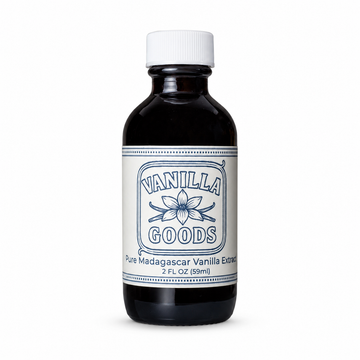
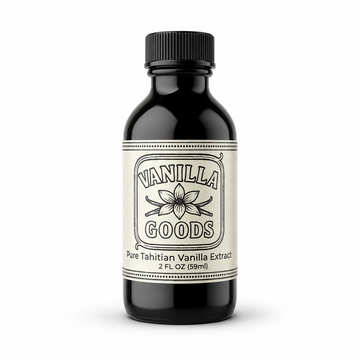
If you're building a versatile vanilla pantry and you want to start with the form that delivers the most value across the widest range of recipes, a bottle of single‑origin pure vanilla extract is the anchor. VanillaGoods sources beans from ten origins—Madagascar, Tahiti, Mexico, Indonesia, Uganda, India, Tonga, Papua New Guinea, Comoros, and Hawaii—and every extract is made with premium beans, aged properly, and bottled at full strength with no shortcuts. That means you get complex, layered flavor in every teaspoon, whether you're baking a simple sugar cookie or a triple‑layer chocolate cake. The bottles are sized for home bakers who bake often but don't need restaurant quantities, and the pricing reflects honest cost‑per‑use rather than supermarket markup.
For bakers who also want whole beans—whether to scrape for paste‑style results, to make their own extract, or to convert beans to extract equivalents in recipes—VanillaGoods offers both Grade A and Grade B beans in small counts and bulk bags. Grade A beans are plump, moist, and ideal for scraping when you want maximum visual seed content; Grade B beans are drier, more affordable, and perfect for extract‑making or grinding into powder. Either way, you're working with beans cured to full flavor and shipped fresh, not sitting in a warehouse for months before they reach your door.
Frequently Asked Questions
Can you substitute vanilla paste for extract in any recipe?
Yes, in most recipes you can swap vanilla paste for extract one‑for‑one or use slightly less paste because it's more concentrated. The paste adds a small amount of thickener and sometimes a touch of sugar, so in very delicate custards or stiff doughs you might notice a minor difference in texture, but in cakes, cookies, frostings, and ice cream the swap works seamlessly. The main advantage of paste is the visible seeds, so reserve it for recipes where those specks will be seen—otherwise you're paying extra for a visual element no one will notice.
Is vanilla powder the same as vanilla sugar?
No. Vanilla powder is ground vanilla beans or vanilla extract dried onto a neutral carrier like maltodextrin; it's used as a flavor concentrate in recipes. Vanilla sugar, by contrast, is granulated sugar infused with vanilla—either by burying a split bean in a jar of sugar for weeks or by blending vanilla powder into sugar. Vanilla sugar is a finishing ingredient or a mild sweetener; vanilla powder is a potent flavoring agent. If a recipe calls for vanilla powder and you substitute vanilla sugar, you'll add sweetness but not nearly enough vanilla intensity.
Does the alcohol in vanilla extract really bake off?
Most of it does. When you bake a cake or cookies at 350°F for twenty to thirty minutes, the alcohol evaporates along with water, leaving behind the flavor compounds that give vanilla its character. In no‑bake applications like whipped cream or frosting, a small amount of alcohol may remain—usually undetectable by taste but technically present. If you need truly alcohol‑free vanilla, vanilla powder is your best option, since it contains no alcohol to begin with and delivers full flavor without compromise.
Can you make your own vanilla paste or powder?
Yes, both are straightforward DIY projects if you have vanilla beans or extract on hand. For paste, combine pure vanilla extract with scraped vanilla seeds (from one or two beans per cup of extract) and a pinch of xanthan gum or guar gum to thicken; let it rest overnight and it's ready to use. For powder, grind dried vanilla beans in a spice grinder until fine, or spread vanilla extract onto parchment‑lined baking sheets and dry it in a low oven (under 200°F) until crisp, then grind the dried extract into powder. Our full guide to making vanilla paste, powder, and sugar at home walks through every step.
Which form of vanilla is best for ice cream?
It depends on the style you want. If you're making a classic vanilla bean ice cream where visible seeds are part of the appeal, use paste or scrape whole Grade A beans directly into the custard base. If you want pure flavor without the speckled appearance—for a smooth French vanilla or a base that will be mixed with other ingredients—extract works beautifully and costs less per batch. Powder is the least common choice for ice cream because the custard base is already liquid, but it does work if you dissolve it in the warm milk or cream before chilling.
Next Steps
Now that you understand when to reach for vanilla paste vs extract vs powder, you can stock your pantry with confidence and choose the right form for every recipe. If you're ready to explore the flavor differences between origins—Madagascar's creamy depth, Tahitian's floral brightness, or Mexican's warm spice—our origin comparison guides will help you match bean character to your favorite desserts. And if you're curious about working with whole beans—whether to scrape, extract, or convert beans to extract in a recipe—our Grade A vs Grade B guide explains which bean suits which task. Happy baking, and may every spoonful of vanilla be exactly what your recipe needs.




Article Comments
0 commentsNo comments yet — be the first to share how this turned out for you.
Leave a comment