

Single-Bean vs Blended Vanilla Extract: When to Use Which
Walk into a specialty cooking store and you'll see vanilla extracts labeled as Madagascar Bourbon, Tahitian, Mexican, Indonesian, or simply "vanilla extract" without specific origin. The single-origin extracts cost more — sometimes substantially more. The blended extracts offer different value propositions. Which is right for your kitchen depends on what you cook, how often you cook it, and how much you care about subtle flavor distinctions. Understanding the differences helps you spend smartly and use the right extract for each application.
This article explains single-origin and blended vanilla extracts, when each makes sense, and how to build a smart vanilla extract collection that covers different cooking needs. By the end, you'll know whether you need just one good extract or whether building a small collection of specialty extracts is worth it for your cooking style.
What Single-Origin Extract Actually Means
Single-origin vanilla extract is made entirely from beans of one specific origin — Madagascar, Tahiti, Mexico, Indonesia, Uganda, etc. The label tells you specifically where the beans came from.
The flavor profiles by origin
Each origin produces beans with distinctive flavor characteristics:
• Madagascar (Bourbon): classic vanilla profile, rich and creamy, balanced sweetness, the standard most people associate with "vanilla flavor." Strong vanillin (1.8-2.2%) with full compound complexity.
• Tahitian: distinctive cherry-floral character, lower vanillin but high anisaldehyde and heliotropin, fruity and aromatic. Different species (V. tahitensis) producing notably different flavor.
• Mexican: warm and slightly smoky, with subtle spice notes, complex but lower in overall vanillin than Madagascar. Original homeland of vanilla cultivation.
• Indonesian (Java): more direct vanilla character, slightly woodier and stronger, sometimes with smoky notes from traditional curing. Less complex but more assertive.
• Ugandan: similar profile to Madagascar but often with earthy or woody undertones. Growing origin producing increasingly competitive quality.
Why single-origin matters
Different origins suit different applications. The cherry-floral character of Tahitian vanilla works beautifully in fruit desserts but might overwhelm a delicate custard. The classic Madagascar profile is versatile across most applications. The smoky Mexican character pairs well with chocolate but might compete with subtle flavors. Choosing extract origin can match or complement what you're cooking.
The price premium
Single-origin extracts typically cost 20-50% more than blended alternatives. The premium reflects:
• Higher cost of maintaining origin separation through the supply chain
• Premium positioning of specialty origins (Tahitian and Mexican typically cost more than Madagascar)
• Smaller production volumes for specialty origins
• Brand investment in single-origin marketing
• Authentic origin verification costs
This premium is real but often modest in absolute terms. A $25 single-origin Madagascar extract versus a $20 blended extract is a $5 difference — meaningful but not prohibitive.
What Blended Extract Actually Means
Blended vanilla extract combines beans from multiple origins. The label typically says "vanilla extract" without specifying origin, or might mention multiple origins.
Why blending happens
Brands blend for several reasons:
• Consistency: blending balances year-to-year variations in any single origin's harvest. The blended product remains consistent even when individual origins have variable years.
• Cost optimization: brands can use less-expensive origins (often Indonesian or Ugandan) blended with more expensive Madagascar to reduce overall cost while maintaining acceptable flavor.
• Flavor balancing: specific blends can balance characteristics that no single origin offers — Madagascar's body with Mexican's complexity, or Indonesian's directness with Madagascar's depth.
• Supply security: blending reduces dependence on any single origin's supply, providing buffer against disruptions like cyclones or political instability.
• Mass market positioning: blends often target consistent commercial flavor profiles rather than distinctive characters.
The flavor of blended extract
Blended extract typically delivers a vanilla-like profile that's recognizable as vanilla but lacks the distinctive character of single-origin extracts. It's competent across many applications without excelling in any. For most everyday cooking, blended extract is more than adequate.
Quality variation in blends
Quality of blended extracts varies enormously. Premium blends from established specialty brands can rival single-origin extracts in overall quality while offering different flavor profiles. Bargain blends from generic brands often use low-grade beans and may not deliver real vanilla complexity at all.
How to evaluate blends
Reading blend information helps:
• Brands that disclose component origins typically use better materials
• Premium blends usually disclose Madagascar plus one or two complementary origins
• Vague "vanilla extract" without origin information typically suggests bulk anonymous sourcing
• Premium pricing on blends usually correlates with quality (cheap blends are typically lower quality)
When to Use Single-Origin Extract
When the application showcases vanilla
Vanilla bean ice cream. Vanilla custard. Pastry cream. Crème brûlée. Vanilla shortbread. Anywhere vanilla is the dominant or featured flavor, single-origin extract delivers character that mass-market alternatives can't match.
When you want specific flavor character
Tahitian extract for fruit desserts. Mexican extract for chocolate applications. Madagascar for classic vanilla profile. The single-origin choice can specifically support what you're trying to achieve in the dish.
When entertaining or gifting
Showcase desserts for special occasions, dishes you're proud of, recipes you want to share — these benefit from premium ingredients. The marginal cost of single-origin extract is typically small relative to the overall investment in a special meal.
When learning about vanilla
To develop your palate and understand origin differences, use single-origin extracts. Compare them in identical applications. Notice the differences. This kind of education makes you a better cook over time.
When you cook professionally
Professional and serious home pastry chefs typically maintain single-origin extracts as part of their toolkit. The differences between origins matter at professional quality levels and become tools for matching extract to dish.
When recipes specifically call for them
Some serious pastry recipes specify origin ("Tahitian vanilla extract"). The recipe author had specific flavor characteristics in mind. Substituting Madagascar Bourbon would change the dish — sometimes acceptably, sometimes not.
When to Use Blended Extract
For everyday cooking
Cookies, cakes, brownies, and routine baked goods don't typically benefit from premium single-origin extracts. The vanilla supports rather than features the flavor. Blended extract serves these applications well at lower cost.
For high-volume baking
If you bake significant volume, single-origin extracts at premium prices add up. A baker producing weekly cookies, cakes, and quick breads might spend $200+ per year on premium extracts. Blended extracts for these everyday applications save substantially.
For chocolate-forward applications
Where chocolate or other strong flavors dominate, vanilla complexity gets masked. Premium single-origin extract is wasted in this context. Save the premium extract for vanilla-forward applications.
For long-cooked or aggressive recipes
Recipes with extended high heat or strong flavor competition (chili, savory dishes, certain bread recipes) don't benefit from premium extract characteristics. Cooking processes destroy delicate compounds anyway. Blended extract works fine here.
For mass production
Wedding cakes, large catered events, big batches of cookies for fundraisers — these use significant extract volume. The aggregate cost of premium extracts at this scale becomes meaningful. Blended extract often makes more economic sense.
As a starting point
Cooks just beginning to use real vanilla extract should start with reasonable-quality blended extract. Develop familiarity with real vanilla flavor before investing in premium single-origin alternatives. The gap between imitation vanilla and real blended extract is much larger than the gap between blended and single-origin extract.
Building a Smart Extract Collection
For cooks who want versatility without overspending:
The minimalist approach
One bottle of good Madagascar Bourbon extract. Use it for everything. This works fine for most home cooks. Madagascar's classic profile is the most versatile single origin — it works in essentially every application that calls for vanilla extract.
Recommended: 8 oz bottle of premium Madagascar extract, replenished annually. Cost: $20-40/year for a serious cook.
The two-bottle approach
Madagascar Bourbon for general use plus one specialty for specific applications. Common pairings:
• Madagascar + Tahitian (best for cooks who make fruit desserts and lighter applications)
• Madagascar + Mexican (best for cooks who do significant chocolate work)
• Madagascar + double-fold Madagascar (for cooks who want concentrated extract for specific applications)
Cost: $40-60/year. Substantial flavor versatility for modest investment.
The three-bottle approach
Madagascar Bourbon + Tahitian + Mexican covers most distinct flavor profiles. This level of investment makes sense for serious pastry cooks or people who do significant vanilla-forward cooking.
Cost: $60-100/year. Comprehensive vanilla coverage.
The five-bottle approach
All major origins represented (Madagascar, Tahitian, Mexican, Indonesian, plus emerging origin like Ugandan). Plus possibly different fold strengths or aged premium versions. This is the level for professional pastry chefs or extreme vanilla enthusiasts.
Cost: $100-200/year. Comprehensive coverage with fine-grained selection.
Strategic stockpiling
Many cooks find a hybrid approach works well — maintain one premium single-origin extract (Madagascar) as the workhorse, plus one specialty for specific occasions. As you use the premium extract, replenish annually. As specialty needs arise, purchase smaller bottles of specific origins for specific projects.
Comparing Specific Applications
Vanilla bean ice cream
The application where vanilla shines most. Single-origin Madagascar Bourbon delivers classic profile. Tahitian works wonderfully for cooks wanting distinctive fruity-floral ice cream. Either single-origin produces noticeably better results than blended extract.
Chocolate chip cookies
Vanilla supports but doesn't feature. Blended extract works fine. The marginal benefit of premium single-origin extract is real but small in this application — chocolate dominates the flavor.
Pound cake
A relatively pure showcase for vanilla. Premium single-origin (Madagascar) makes a perceptible difference. Tahitian works particularly well in pound cakes paired with citrus or fruit.
Buttercream frosting
Showcase application — vanilla is the featured flavor. Premium single-origin extract elevates the result noticeably. This is a small-volume application where premium ingredients pay off.
Pancake batter
Quick-cooked, often dressed with syrup or fruit. Blended extract is fine. Premium extract is wasted here.
Crème brûlée
Pure vanilla showcase. Premium single-origin extract — particularly aged premium Madagascar — produces dramatic results. This is exactly where the investment matters.
Banana bread
Banana dominates the flavor. Vanilla supports. Blended extract works fine. Premium extract barely registers.
Vanilla pudding
Showcase application. Premium single-origin extract makes a real difference. Worth using your best extract here.
Chocolate brownies
Chocolate dominates. Blended extract is fine. Premium extract is essentially wasted.
Tres leches cake
Vanilla character matters significantly. Premium single-origin (Mexican is particularly authentic for this Latin American dessert) makes a noticeable difference.
The Money Math
Per-recipe cost analysis
How much extra does single-origin extract actually cost per recipe?
• Standard recipe uses 1-2 teaspoons of extract
• Single-origin extract: $0.30-0.60 per teaspoon at premium pricing
• Blended extract: $0.15-0.30 per teaspoon at standard pricing
• Per-recipe difference: $0.15-0.60
For showcase applications where the extract makes meaningful difference, the small per-recipe premium is excellent value. For everyday baking, the cumulative cost over many recipes adds up but each individual recipe is barely affected.
Annual investment perspective
Even cooks using premium single-origin extract for everything spend perhaps $50-100/year on vanilla extract. This is a small portion of total ingredient costs for serious cooking. Spending less on extracts to use less extract isn't an impressive savings strategy.
Quality difference perspective
The flavor difference between premium single-origin extract and blended extract is real but moderate — perhaps comparable to the difference between standard butter and premium European butter, or between standard chocolate chips and premium chocolate. For applications where these differences matter, the premium is worth it.
Common Misconceptions
"Single-origin always tastes better"
Not necessarily. Premium blended extracts from quality brands can match or exceed mediocre single-origin extracts. Quality of beans and curing matters more than single vs. blended status. Some specialty blended extracts are excellent.
"Madagascar extract is the best"
Madagascar Bourbon is the most versatile and produces the classic vanilla profile most people expect. But "best" depends on application. Tahitian extract is genuinely superior for certain applications; Mexican extract for others. "Best" is contextual.
"Cheap blended extract is fine"
Cheap blended extract often isn't actually pure vanilla extract — it may be imitation, adulterated, or low-quality real vanilla. Quality blended extract from reputable brands is fine for everyday cooking; bargain blended extract is often disappointing.
"You need every origin"
Most home cooks don't actually need a comprehensive collection. One premium Madagascar plus possibly one specialty extract covers 95% of typical home cooking needs.
"Single-origin is always traceable"
Some single-origin extracts have detailed traceability; others have only the country claim with no further documentation. Single-origin labeling alone doesn't guarantee transparency. Look for specific cooperative or region disclosure for true traceability.
How to Identify Quality
For single-origin extracts
• Specific region or cooperative disclosure ("Madagascar SAVA region from Cooperative X" beats just "Madagascar")
• Reasonable pricing ($20-40 per 8 oz for premium quality)
• Detailed brand information about sourcing practices
• Multiple-fold options (1X, 2X) for serious cooks
• Color and aroma characteristic of the claimed origin
For blended extracts
• Disclosure of component origins (better than vague "vanilla extract")
• Mid-range pricing ($15-25 per 8 oz for premium quality)
• Brand reputation for quality
• Recognized as pure vanilla extract (not vanilla flavor)
• Dark color and complex aroma matching expectations
Red flags for either type
• Suspiciously low pricing
• Generic packaging without specific information
• Listed ingredients including "vanillin" (suggests synthetic addition)
• Caramel coloring listed (often used to mask weak product)
• Vague origin claims without specifics
The Strategic Approach to Extract Use
Match extract to application
Use your best extract for showcase applications and your everyday extract for routine cooking. This stretches premium ingredients across the applications where they matter most.
Read recipes thoughtfully
When a recipe specifies origin, follow that specification when possible. When it doesn't, decide based on the role vanilla plays in the dish. Featured vanilla = premium extract; supporting vanilla = standard extract.
Develop your own preferences
Try different origins. Notice your preferences. Different cooks gravitate toward different origin characteristics over time. Madagascar suits some cooking styles best; Tahitian suits others. Your preferences become tools for cooking better.
Plan ahead
Premium extracts benefit from aging (covered in our "Aging Vanilla Extract" article). Buying in advance and letting extract age before using produces premium results. Single-origin extracts particularly reward this planning.
VanillaGoods Final Thoughts...
Single-origin and blended vanilla extracts both have legitimate places in serious cooking. Single-origin extracts deliver distinctive flavor characters that match specific applications and develop palates that distinguish them. Blended extracts provide consistent quality at lower cost for everyday cooking where vanilla supports rather than features.
Most home cooks do well with one excellent single-origin Madagascar Bourbon extract for general use, possibly supplemented by one specialty origin for specific applications. This level of investment delivers most of the benefits without overcommitting to comprehensive collections.
The biggest mistake home cooks make isn't choosing wrong between single-origin and blended — it's using imitation or low-quality vanilla flavoring instead of any real extract. Real vanilla extract, whether single-origin or blended, dramatically outperforms synthetic alternatives in showcase applications. Start with real vanilla extract; refine your collection from there.
Cook intentionally with your extracts. Notice which ones you reach for. Build the collection that matches your cooking style. Use the premium options where they earn their premium. Save the everyday options for everyday use. The right extract for the right application is satisfying, smart, and produces better cooking than alternatives.
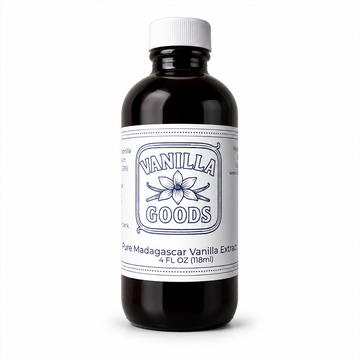
Single-Origin Madagascar Extract
Our Madagascar vanilla extract is single-origin, fully traceable to specific SAVA cooperatives, and made from premium Grade A beans. The classic Bourbon profile, properly executed.


Article Comments
0 commentsNo comments yet — be the first to share how this turned out for you.
Leave a comment