
Madagascar vs Mexican Vanilla: Which to Buy?

When you're deciding between Madagascar vs Mexican vanilla, you're choosing between two distinct expressions of the same species—Vanilla planifolia—shaped by centuries of different soils, climates, and curing traditions. Madagascar offers the classic, sweet, creamy profile most people expect when they think "vanilla." Mexican vanilla brings complex, spicy, sometimes smoky character with subtle floral notes that honor vanilla's original home.
Key takeaways
- Madagascar vanilla delivers sweet, balanced, versatile flavor and makes up 80% of global supply—the everyday workhorse for most baking.
- Mexican vanilla offers complex, spicy notes with chocolate and cinnamon undertones; it's the original cultivated vanilla, now a specialty origin commanding 1.5–2× Madagascar pricing.
- Both are Vanilla planifolia, but generations of different growing conditions have created distinctly different flavor compounds and profiles.
- Choose Madagascar for classic applications and reliable supply; choose Mexican for chocolate desserts, spiced preparations, and cultural heritage.
- Many passionate bakers keep both on hand to match flavor profiles to specific recipes.
The Quick Answer: Which Vanilla Should You Buy?
Buy Madagascar vanilla if you want classic, sweet, creamy vanilla flavor that works across the widest range of recipes. It's the most versatile choice for everyday baking, the flavor profile most consumers expect, and the best value when you're using vanilla regularly. The supply chain is reliable, quality is consistent, and you'll reach for it in everything from sugar cookies to crème brûlée without a second thought.
Buy Mexican vanilla if you want complex, distinctive flavor with spicy notes that echo cinnamon and sometimes smoke. This is vanilla with a story—the original origin, cultivated by the Totonac people for centuries before vanilla spread anywhere else. It's a premium specialty product that pairs beautifully with chocolate, coffee, and spiced dishes, and it supports indigenous producer communities working at smaller scale. Expect to pay 1.5 to 2 times what you'd pay for Madagascar, but the unique character justifies the premium when the application is right.
Both make sense if you cook frequently and appreciate distinct profiles, if you make chocolate-forward desserts regularly, if you value cultural heritage in your ingredient choices, and if your budget allows for specialty vanilla alongside your everyday stock. Many professionals and enthusiastic home bakers treat Madagascar as the foundation and Mexican as the accent—a approach that gives you flexibility without requiring a PhD in vanilla botany.
Side-by-Side: How Madagascar and Mexican Vanilla Compare
| Attribute | Madagascar Vanilla | Mexican Vanilla |
|---|---|---|
| Flavor profile | Sweet, creamy, balanced; classic "vanilla" character with strong vanillin presence and subtle complexity | Complex, spicy (cinnamon-like), sometimes smoky, with floral notes; less sweet, more distinctive |
| Price per use | $5–15 per ounce for premium beans; $1–3 per individual Grade A bean; value-positioned | $8–20 per ounce for premium beans; $2–4 per individual bean; often 1.5–2× Madagascar pricing |
| Best for | Classic baking (cakes, cookies, brownies), cream-based desserts (pastry cream, buttercream, crème brûlée), beverages, everyday applications | Chocolate desserts, Mexican cuisine (tres leches, flan, mole), spiced preparations, coffee drinks, heritage recipes |
| Global supply | 80% of world production; reliable, consistent availability | 5–10% of world production; smaller scale, premium specialty positioning |
| Cultural heritage | Cultivated since 1841 hand-pollination discovery; dominant modern origin | Original vanilla origin; Totonac cultivation for centuries before European contact |
Madagascar Vanilla in Depth: The Modern Standard
Madagascar vanilla is what most people picture when they hear the word "vanilla." It's the baseline against which all other vanillas are measured, not because it's objectively "better" but because it's everywhere—80% of the world's vanilla comes from Madagascar and neighboring islands in the Indian Ocean. That ubiquity isn't an accident; it's the result of ideal climate, generations of cooperative production expertise, and a flavor profile that plays well with nearly every application you can imagine.
The story begins in 1841, when a twelve-year-old enslaved boy named Edmond Albius, working on the island of Réunion, developed a hand-pollination technique that unlocked vanilla cultivation outside Mexico. Before that breakthrough, vanilla orchids flowered beautifully in botanical gardens around the world but never set fruit—the specific bee species that pollinates vanilla in Mexico doesn't exist anywhere else. Albius's method (which is still used today) allowed French colonial growers to establish plantations in Madagascar, where the warm, humid climate along the northeast coast proved ideal. By the early 20th century, Madagascar had overtaken Mexico as the world's largest producer, a position it has never relinquished.
Madagascar vanilla delivers sweet, balanced character with strong vanillin presence—the compound that gives vanilla its signature aroma. The profile is creamy and smooth, with subtle complexity that supports rather than competes with other flavors. When you're baking a pound cake for Sunday dinner, making buttercream for a birthday cake, or whisking together pastry cream for éclairs, Madagascar vanilla gives you exactly what you expect: classic "vanilla" flavor that feels familiar, comforting, and right. It's stable through heat, predictable in results, and universally appealing to palates that have grown up with this profile as the norm.
The versatility is the key advantage. Madagascar works in chocolate chip cookies and crème brûlée, in vanilla syrup for coffee drinks and whipped cream for strawberry shortcake, in cheesecake and sugar cookies and brownies and hot chocolate. It doesn't demand attention; it enhances. If you're stocking only one vanilla, this is the one that will carry you through the widest range of recipes without ever feeling like a compromise. For more on how Madagascar became the dominant origin, see our deep dive on why Madagascar produces 80% of world vanilla.
Mexican Vanilla in Depth: The Original Expression
Mexican vanilla is where the entire story begins. The Totonac people cultivated vanilla in what is now Veracruz for centuries before the Aztec empire adopted it, pairing it with cacao in ceremonial chocolate beverages. When Spanish conquistadors arrived in the 1500s, they encountered this pairing and brought both chocolate and vanilla back to Europe, where vanilla became a luxury flavoring for the aristocracy. For nearly three hundred years, all the world's vanilla came from Mexico, because nowhere else could the orchids be successfully pollinated—until Edmond Albius's breakthrough changed everything.
Today, Mexican vanilla represents only 5 to 10% of global supply, concentrated in the states of Veracruz and Oaxaca. Production is smaller scale, often organized through cooperatives working to preserve traditional curing methods and support indigenous farming communities. The beans command premium pricing—often 1.5 to 2 times what you'd pay for comparable Madagascar beans—but that premium reflects more than scarcity. It reflects cultural and heritage significance, higher labor costs in Mexico compared to Madagascar, the challenges of maintaining quality consistency at smaller scale, and the distinctive flavor profile that has made Mexican vanilla a sought-after specialty.
That flavor is complex in ways Madagascar is not. Mexican vanilla delivers spicy undertones that echo cinnamon, occasional smoky character (especially in beans cured using traditional methods), subtle floral notes, and a profile that is less overtly sweet than Madagascar. The difference comes from soil (volcanic in Mexico versus the different mineral composition in Madagascar), climate, generations of distinct curing traditions, and the concentration of various flavor compounds beyond just vanillin. When you steep a Mexican bean in warm milk and taste it side by side with Madagascar, the difference is immediately clear: Madagascar is a solo vocalist singing a pure, sweet melody; Mexican is a small jazz ensemble with layers you keep discovering.
This complexity makes Mexican vanilla shine in applications where you want vanilla to be a presence, not just a background note. It pairs beautifully with chocolate—honoring the original Totonac combination—where its spicy, slightly smoky character complements cocoa's bitterness and depth. It works brilliantly in dishes that already feature warm spices like cinnamon, nutmeg, and clove, where Madagascar might get lost but Mexican holds its own. And it brings cultural authenticity to Mexican desserts like tres leches cake, flan, and mole sauces, where using the original origin feels not just appropriate but essential. For the full historical context, explore our article on Mexican vanilla: the original vanilla origin.
When to Choose Each: Matching Profile to Purpose
Choose Madagascar vanilla when you're making classic baked goods where vanilla should enhance without demanding attention. A vanilla cake, a batch of chocolate chip cookies, sugar cookies, shortbread, brownies—these are all applications where Madagascar's sweet, balanced, creamy profile does exactly what you need it to do. Reach for it when you're making cream-based desserts like vanilla buttercream frosting, crème brûlée, pastry cream, whipped cream, or cheesecake, where the clean vanilla character shines through dairy richness. Use it in beverages—vanilla coffee drinks, hot chocolate, vanilla cocktails, simple syrups—where you want recognizable vanilla flavor without competing with other elements. And choose it whenever you're cooking for a crowd with varied palates, because this is the flavor profile that feels familiar and safe to nearly everyone.
Choose Mexican vanilla when you're working with chocolate. Premium chocolate cakes, Mexican chocolate desserts, mole sauces, chocolate-based confections, chocolate-paired drinks—these are all places where Mexican vanilla's spicy, complex character complements and elevates chocolate in ways Madagascar cannot. Use it in spiced desserts where cinnamon, nutmeg, clove, or warm autumn flavors are already present; the vanilla will integrate seamlessly rather than standing apart. Reach for it in authentic Mexican cuisine applications like tres leches cake, traditional flan preparations, atole (a traditional corn-based drink), and any recipe where cultural heritage matters. And consider it for coffee drinks, especially Mexican-style preparations like café de olla, where the vanilla's complexity matches coffee's own layered profile.
Keep both on hand if you bake and cook frequently enough to appreciate the difference. Use Madagascar as your default, the vanilla you reach for without thinking, and reserve Mexican for moments when you want something special—a dinner party dessert, a holiday baking project, a recipe that honors culinary tradition. The cost difference is real but manageable if you're strategic: buy Madagascar in larger quantities for everyday use, and invest in smaller amounts of Mexican for targeted applications. Over time, you'll develop instincts about which vanilla to reach for, the same way you've learned when to use salted versus unsalted butter or Dutch-process versus natural cocoa powder. For more on different vanilla forms and when to use each, see our guide to vanilla paste vs extract vs powder.
Common Mistakes When Choosing Between Origins
Assuming Mexican vanilla is always better because it's more expensive. Price reflects scarcity and heritage, not objective superiority. Madagascar vanilla in a classic vanilla cake will almost certainly taste "right" to more people than Mexican vanilla in the same application, because most palates expect Madagascar's profile in that context. Buy Mexican when its distinctive character adds something; don't buy it just to say you did.
Buying "Mexican vanilla" without verifying authenticity. The Mexican vanilla market has a long, unfortunate history of adulterated products—synthetic extracts, products cut with tonka bean (which contains coumarin, banned in the U.S. as a food additive), and "vanilla" that contains no actual vanilla at all. If you're buying Mexican vanilla, especially in tourist areas or at prices that seem too good to be true, verify that you're getting authentic Vanilla planifolia beans or pure extract from a reputable source that can trace origin.
Using high-heat applications for either origin without understanding how heat affects flavor. Both Madagascar and Mexican vanilla lose some nuance under prolonged high heat. If you're baking at 350°F for an hour, some of the subtle differences between origins will mute. That doesn't mean you shouldn't use premium vanilla in baking—you absolutely should—but it means the biggest flavor differences will show up in applications where vanilla is added after cooking (pastry cream, whipped cream, cold-infused extracts) or cooked gently (custards, slow-simmered sauces).
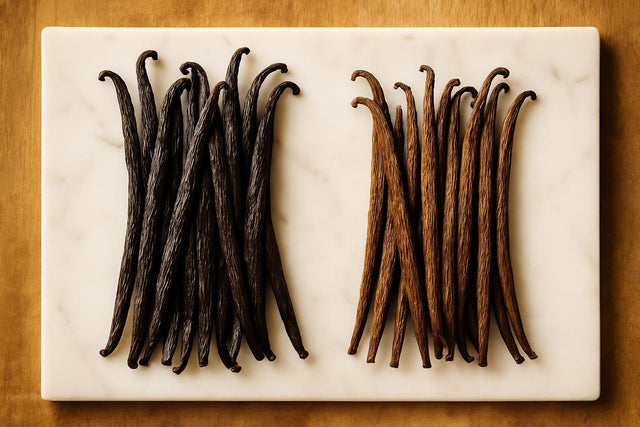
Ignoring grade when comparing origins. The Madagascar versus Mexican comparison assumes comparable grades—both Grade A (moist, plump, ideal for extracting seeds and infusing) or both Grade B (drier, often split, ideal for making extract). A Grade A Madagascar bean and a Grade B Mexican bean are not an apples-to-apples comparison; the grade difference will affect flavor extraction and usage more than the origin difference in many cases. For a full breakdown, read our article on Grade A vs Grade B vanilla beans.
Storing beans improperly and then blaming the origin for loss of flavor. Both Madagascar and Mexican vanilla beans need airtight storage away from light and heat to maintain their oils and aromatic compounds. A Madagascar bean stored in a loosely closed container in a warm kitchen will lose quality faster than a Mexican bean stored properly in a cool, dark cupboard in an airtight tube or vacuum-sealed bag. If you invest in premium vanilla, protect that investment with proper storage.
Why VanillaGoods Madagascar Beans Are the Right Starting Point
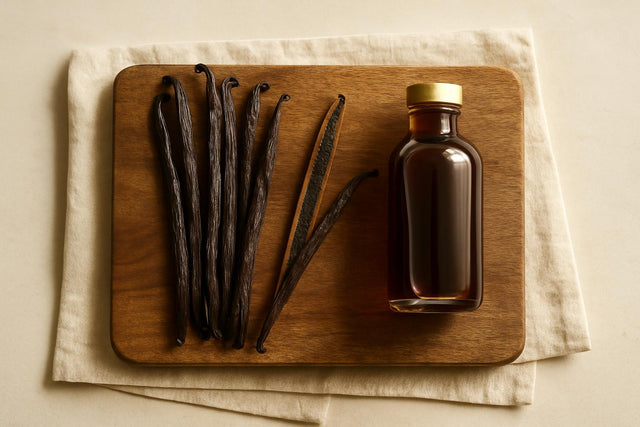
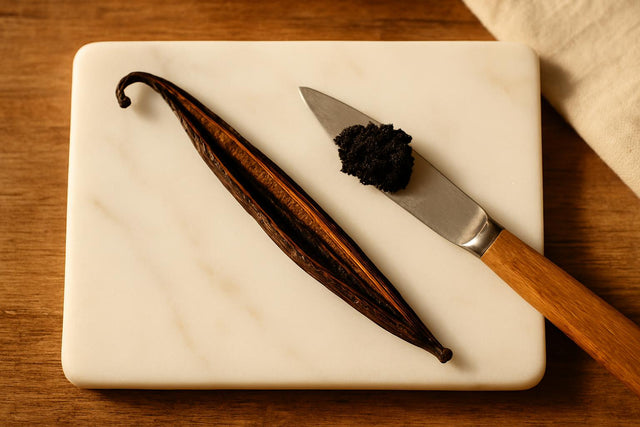
If you're building or refining your vanilla pantry, starting with premium Madagascar beans gives you the versatility and reliability to handle 90% of what you'll make in a year. VanillaGoods sources Madagascar Grade A vanilla beans directly from established cooperatives in Madagascar's northeast Sava region, where ideal climate and generations of curing expertise produce consistently high-quality beans with the sweet, creamy, balanced profile that defines this origin. The beans arrive plump, fragrant, and ready to split for seeds, infuse into cream or alcohol, or store long-term in your pantry.
You'll find both Grade A and Grade B options in multiple sizes, from 5-bean starter packs to 4-ounce and 8-ounce bags for frequent bakers or extract makers. Grade A beans are ideal when you want the visual impact of vanilla seeds in custards, ice creams, and pastry creams; Grade B beans (often sold as "extraction grade") are perfect for making your own vanilla extract, where you're infusing flavor into alcohol over weeks or months and the beans' lower moisture content and occasional splits don't matter. Both grades deliver the same fundamental Madagascar flavor; you're choosing based on application, not quality.
This is the vanilla to master first. Once you've worked with Madagascar beans long enough to understand how they behave in your recipes—how much to use for gentle vanilla presence versus bold vanilla flavor, how they infuse into different liquids, how the seeds hold up through baking—you'll have a baseline for understanding how other origins differ. Then, when you're ready to explore Mexican vanilla's spicy complexity or Tahitian vanilla's floral brightness, you'll taste those differences against a reference point you know intimately.
FAQ: Your Questions About Madagascar vs Mexican Vanilla
Is Mexican vanilla better than Madagascar vanilla?
Neither is objectively "better"—they're different expressions of the same species, shaped by different terroir and traditions. Madagascar vanilla offers sweet, creamy, versatile flavor that works across the widest range of applications and represents the profile most consumers expect. Mexican vanilla delivers complex, spicy character with cultural heritage significance that shines in chocolate desserts, spiced preparations, and Mexican cuisine. "Better" depends entirely on what you're making and what flavor profile you want. For most everyday baking, Madagascar is the more practical choice; for special applications where complexity adds value, Mexican justifies its premium.
Why is Mexican vanilla more expensive than Madagascar?
Mexican vanilla commands 1.5 to 2 times Madagascar pricing because it represents only 5 to 10% of global supply versus Madagascar's 80%, reflecting smaller production scale concentrated in Veracruz and Oaxaca. Higher labor costs in Mexico compared to Madagascar, specialty heritage positioning, the challenges of maintaining quality consistency at smaller scale, and premium demand for the distinctive flavor profile all contribute to higher prices. The pricing also reflects cultural value—this is the original vanilla, cultivated for centuries before vanilla spread anywhere else—and many buyers are willing to pay more to support indigenous producer communities working to preserve traditional methods.
Can I substitute Madagascar vanilla for Mexican vanilla in recipes?
Yes, you can substitute Madagascar for Mexican vanilla in virtually any recipe; both are Vanilla planifolia and will function identically in terms of chemistry and structure. The difference is flavor profile, not function. Madagascar will give you sweeter, creamier, more classic vanilla character where Mexican would have offered spicy, complex, sometimes smoky notes. In most applications—especially classic baking—most people won't notice the substitution or will prefer Madagascar's familiar profile. The substitution works less well in reverse: if a recipe specifically calls for Mexican vanilla (especially in Mexican cuisine or chocolate-forward desserts), Madagascar will seem one-dimensional by comparison. Use a 1:1 ratio for either substitution.
Does Mexican vanilla really taste like cinnamon?
Mexican vanilla doesn't taste exactly like cinnamon, but it does carry spicy undertones that many people describe as cinnamon-like or reminiscent of warm baking spices. This comes from the specific balance of flavor compounds (beyond just vanillin) that develop during curing, influenced by Mexico's volcanic soils, climate, and traditional processing methods. The spicy character is subtle—you won't mistake it for actual cinnamon—but it's distinct enough that when you taste Mexican vanilla side by side with Madagascar, the difference is immediately clear. Some Mexican beans also show smoky or floral notes depending on curing methods and specific microclimates within Veracruz and Oaxaca. The complexity is what makes Mexican vanilla special and what justifies its use in applications where vanilla should be a presence, not just a background note.
Should I buy both Madagascar and Mexican vanilla beans?
Buy both if you cook and bake frequently enough to use specialty vanilla before it loses quality (properly stored beans hold peak flavor for 1 to 2 years), if you make chocolate-forward desserts or Mexican cuisine regularly, if you value having distinct flavor profiles to match to specific applications, and if your budget allows for specialty alongside everyday stock. Start with Madagascar as your foundation—it will handle 90% of your vanilla needs—and add Mexican when you're ready to explore complexity in targeted applications. Many enthusiastic home bakers and all serious pastry professionals keep multiple origins on hand for exactly this reason, treating Madagascar as the reliable everyday vanilla and Mexican (along with Tahitian and other specialty origins) as accent players that shine in specific contexts. If you only bake occasionally or primarily make classic American desserts, Madagascar alone will serve you well.
Next Steps: Building Your Vanilla Knowledge
Understanding the Madagascar versus Mexican distinction gives you a framework for thinking about vanilla as a spectrum of flavors rather than a single ingredient. From here, you might explore how Tahitian vanilla's floral, fruity profile differs from both Madagascar and Mexican, or dive into a three-way comparison that puts all three major profiles side by side. You might investigate how Indonesian vanilla compares to Madagascar, or learn about single versus double-fold extracts and when each makes sense.
The more you work with vanilla—splitting beans, infusing custards, making your own extract, tasting origins side by side—the more you'll develop instincts about which vanilla to reach for in any given moment. Start with quality Madagascar beans, use them until you understand their character intimately, then expand into Mexican and other origins as your curiosity and applications warrant. Great vanilla is one of the few ingredients that genuinely transforms everyday baking into something memorable, and knowing which vanilla to choose is part of that transformation.
Shop this article
Shop Vanilla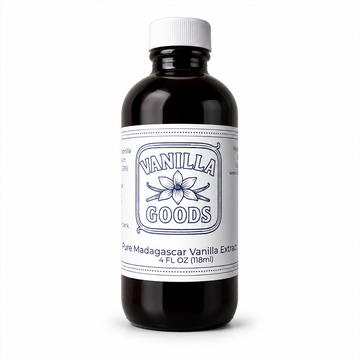 Madagascar + Tahitian Vanilla Extract 4 oz Duo
$38.00
 Madagascar Vanilla Beans, Grade A, 1 LB
$160.00
 Madagascar Vanilla Beans, Grade A, 4oz bag
$65.00
 Madagascar Vanilla Beans, Grade A, 5 Beans
$15.00
 Madagascar Vanilla Beans, Grade A, 8 oz bag
$85.00
 Madagascar Vanilla Beans, Grade B, 1 LB
$130.00
 Madagascar Vanilla Beans, Grade B, 4oz bag
$50.00
 Madagascar Vanilla Beans, Grade B, 5 Beans
$12.00
Article Comments
0 commentsNo comments yet — be the first to share how this turned out for you.
Leave a comment