A tea steeping chart gives you the water temperature, steep time, and leaf-to-water ratio for each type of tea, so you can brew balanced cups without guesswork. Different tea families need different conditions: green teas extract their flavor at lower temperatures, black teas thrive near boiling, and herbal blends steep longest. Using the right parameters prevents bitterness, preserves delicate flavors, and makes every cup taste the way the grower intended.
Key takeaways
- Black tea: 200–212°F (93–100°C), 3–5 minutes, 1 teaspoon (2.5 g) per 8 oz water
- Green tea: 160–180°F (71–82°C), 2–3 minutes, 1 teaspoon (2 g) per 8 oz water
- Oolong tea: 185–205°F (85–96°C), 3–5 minutes, 1 teaspoon (2.5 g) per 8 oz water
- White tea: 170–185°F (77–85°C), 4–5 minutes, 1.5 teaspoons (2 g) per 8 oz water
- Herbal and rooibos: 200–212°F (93–100°C), 5–7 minutes, 1.5 teaspoons (2 g) per 8 oz water
What you'll make and how long it takes
You'll brew one 8-ounce cup of tea in two to seven minutes, depending on the leaf type. Most black and green teas are ready in under five minutes. Herbal blends take a bit longer because they contain dried flowers, roots, or bark that need more time to release their essential oils. The active steeping takes anywhere from two to seven minutes, but you'll also need thirty seconds to heat water (if you're using an electric kettle) and another thirty to measure your leaves. From the moment you fill the kettle to the first sip, expect six to ten minutes. Cost per cup runs five to twenty-five cents for loose-leaf tea, which is far less than a café latte and gives you control over every variable.
What you need
Start with fresh, cold water. If your tap water tastes minerally or chlorinated, use filtered or bottled spring water. The tea itself should be loose-leaf rather than bagged; loose leaves have more surface area and release flavor more evenly. You'll need roughly one teaspoon of tea per cup, but fluffier leaves (white tea, large oolong) measure closer to one and a half teaspoons, while denser leaves (rolled oolongs, some black teas) stay at one teaspoon. On a scale, aim for 2 to 2.5 grams per 8 ounces of water. A variable-temperature electric kettle makes life easier because you can dial in 175°F for a jasmine green or 205°F for a bold Assam without hovering over a stovetop thermometer. If you don't own one, bring water to a full boil and then let it rest off heat: one minute drops the temperature about 15 degrees Fahrenheit.
For teaware, use a teapot with a built-in infuser, a basket infuser that fits your mug, or a gaiwan if you're steeping oolongs and want to do multiple short infusions. Avoid ball infusers; the leaves need room to unfurl. A kitchen timer or your phone's stopwatch keeps steep times honest, because forty seconds too long can turn a delicate green tea bitter.
Step-by-step method
This method works for any tea family. Adjust temperature, time, and ratio according to the chart below.
- Heat water to the temperature listed for your tea type. If you're using a stovetop kettle, bring water to a rolling boil and then let it cool to the target temperature.
- Measure tea: place 1 teaspoon (2–2.5 g) of loose leaves in your infuser or teapot per 8 oz (240 ml) of water. For white tea and fluffy herbals, use 1.5 teaspoons.
- Pour water over the leaves and start your timer immediately.
- Steep for the recommended time. Don't swirl or stir; let the leaves settle and release their compounds at their own pace.
- Remove the infuser (or strain the tea) as soon as the timer chimes. Leaving leaves in the water extracts tannins and turns the cup astringent.
- Taste before adding anything. If the tea is balanced, drink it as is. If it's slightly weak, add another fifteen to thirty seconds next time. If it's bitter, lower the temperature or shorten the steep.
Timeline: what changes from the first to the third steep
Many whole-leaf teas, especially oolongs, white teas, and high-grade greens, reward you with multiple infusions. The first steep extracts bright, aromatic top notes and lighter compounds. After you pour that cup, add fresh water at the same temperature and steep for an additional thirty to sixty seconds. The second steep often tastes rounder and slightly sweeter because the leaves have opened fully and release mid-range flavor molecules. A third steep (add another minute) brings out deeper, mellower notes and less caffeine. Black teas and herbals usually give one strong infusion and one lighter second cup. Delicate greens fade after two. Rolled oolongs can go four or five rounds if you're patient, each steep revealing a new layer. If you're steeping for a single cup and not planning multiples, add thirty seconds to the baseline time to capture more of those deeper compounds up front.
Troubleshooting
Bitter or astringent: You've either steeped too long or used water that's too hot. Bitterness comes from excessive tannin extraction, which happens when delicate green or white leaves sit in near-boiling water. Drop the temperature by 10–15°F and shorten the steep by thirty seconds. If you're brewing black tea and it's still harsh, your leaves may be lower grade or broken; whole-leaf teas release flavor more gently.
Weak or watery: You didn't use enough leaf, the water wasn't hot enough, or you pulled the infuser too soon. Add another half teaspoon of tea or let it steep fifteen to thirty seconds longer. If you've stored your tea in a warm, bright cupboard for months, the volatile oils may have faded; fresh tea makes a noticeable difference.
Cloudy: Cloudiness in black tea (called "tea cream") happens when you refrigerate brewed tea or when hot tea cools quickly. It's harmless but looks unappealing. To prevent it, serve tea hot or let it cool slowly at room temperature. In green tea, cloudiness can mean you've used hard water with high mineral content; switch to filtered water.
Metallic or flat: Old water that's been boiled multiple times loses dissolved oxygen and tastes dull. Always start with fresh, cold water. If your kettle has a "keep warm" function, don't let water sit at temperature for more than a few minutes before brewing.
Which teas to use and why
The tea steeping chart below works for loose-leaf teas across every major family. Black teas (English Breakfast, Assam, Earl Gray) handle boiling water because their leaves are fully oxidized, which stabilizes their cell structure. Green teas (sencha, jasmine, hojicha) are unoxidized and delicate; they need cooler water to preserve their grassy, sweet notes. Oolong sits between the two, partially oxidized, so it tolerates a wide temperature range depending on how dark the leaves are. White tea is the least processed and benefits from gentle heat and a longer steep to coax out its subtle honeyed flavor. Herbal blends and rooibos contain no true tea leaves (they're tisanes), so they can take boiling water and extended steep times without bitterness.
Chai is a special case. Traditional masala chai uses strong black tea as the base (often Assam or a CTC blend), simmered with milk, sugar, and spices. You'll boil water, add the tea and spices, simmer for three to five minutes, then add milk and simmer another two minutes. Because you're cooking rather than steeping, the method differs from the Western infusion approach, but the baseline black-tea parameters still apply if you're brewing chai leaves on their own for an iced or lightly spiced version.
| Tea type | Water temperature | Steep time | Ratio (per 8 oz / 240 ml) |
|---|---|---|---|
| Black (English Breakfast, Assam, Earl Gray) | 200–212°F (93–100°C) | 3–5 minutes | 1 tsp (2.5 g) |
| Green (jasmine, sencha, hojicha) | 160–180°F (71–82°C) | 2–3 minutes | 1 tsp (2 g) |
| Oolong (light) | 185–195°F (85–91°C) | 3–4 minutes | 1 tsp (2.5 g) |
| Oolong (dark) | 195–205°F (91–96°C) | 4–5 minutes | 1 tsp (2.5 g) |
| White | 170–185°F (77–85°C) | 4–5 minutes | 1.5 tsp (2 g) |
| Herbal, rooibos, chai (dry spice) | 200–212°F (93–100°C) | 5–7 minutes | 1.5 tsp (2 g) |
| Matcha (whisked, not steeped) | 160–175°F (71–79°C) | n/a (whisk 30 seconds) | 1–2 g (½ tsp) per 2–4 oz water |
Common mistakes and pro tips
One mistake beginners make is measuring tea by volume alone. A teaspoon of tightly rolled oolong weighs more than a teaspoon of fluffy white peony, so if you're serious about consistency, use a small kitchen scale and measure in grams. Another pitfall is reusing the same water temperature for every tea. Your kettle's "boil" button is perfect for herbal blends but will scorch a jasmine green. If you don't have a variable-temperature kettle, learn the cooling times: one minute off boil for green tea, thirty seconds for oolong.
Don't cover your steeping vessel with a lid that traps heat unless the tea is robust (black or herbal). Delicate greens can stew under a tight lid. Conversely, don't leave your teapot open to the air for the full steep; you'll lose temperature and under-extract. A loose lid or a folded cloth works well. Finally, always preheat your teapot or mug by swirling a little hot water inside and discarding it. Cold ceramic drops the water temperature by 5–10 degrees the moment you pour, which matters when you're aiming for a narrow window like 175°F.
How VanillaGoods tea fits this chart
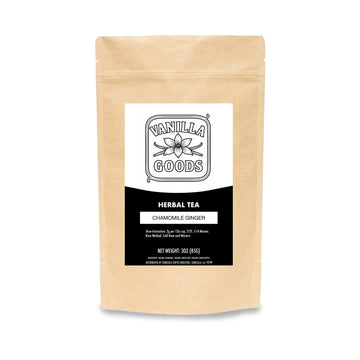
Every loose-leaf tea in the VanillaGoods collection is sourced for clarity of flavor, so it responds well to the parameters in this steeping chart. Earl Gray Tea, a black tea scented with bergamot oil, shines at 205°F (96°C) for four minutes; that temperature lifts the citrus aroma without making the base tea harsh. Jasmine Green Tea needs the cooler end of the green-tea range (around 170°F / 77°C for three minutes) to preserve its floral sweetness. If you're new to precise steeping, start with a forgiving tea like English Breakfast or Masala Chai; both are robust enough to handle small timing variations while you dial in your technique. Once you've mastered the basics, herbals like Chamomile Ginger and Turmeric Ginger reward longer steeps (six to seven minutes) with layered, warming spice notes. If you're blending tea with vanilla for a London Fog or a vanilla-chai latte, steep the tea first at the recommended parameters, then add steamed milk and a quarter teaspoon of vanilla extract or a split vanilla bean that's been warming in the milk.
Frequently asked questions
Can I steep tea longer if I want it stronger?
Steeping longer increases bitterness and astringency more than it boosts flavor. If you want a stronger cup, add more tea leaves (an extra half teaspoon per 8 oz) rather than extending the time. The extra leaf gives you more aromatic compounds and body without over-extracting tannins. For black tea you can push the steep an extra thirty seconds, but green and white teas turn harsh quickly.
What's the difference between steeping temperature for green tea and black tea?
Green tea leaves are unoxidized and contain delicate amino acids and catechins that break down or taste bitter at high temperatures. Black tea is fully oxidized, which makes its cell walls more stable and able to handle boiling water. Using 212°F water on green tea extracts too many tannins and leaves you with a grassy, astringent cup, while using 170°F water on black tea under-extracts and tastes flat.
How many times can I re-steep the same tea leaves?
Whole-leaf teas typically yield two to four infusions. High-quality oolongs and white teas can go four or five rounds if you add thirty to sixty seconds to each subsequent steep. Black teas and broken-leaf grades usually give one strong cup and one lighter second steep. Herbal blends release most of their flavor in the first infusion, though you can often get a mild second cup. Matcha cannot be re-steeped because the powder is suspended, not infused.
Should I use boiling water for herbal tea?
Yes. Herbal blends (chamomile, hibiscus, ginger, rooibos) contain dried flowers, roots, and bark that need boiling water to release their essential oils and flavors. Because they don't contain true tea leaves, there's no risk of bitterness from tannins. Steep herbals for five to seven minutes, and cover the vessel to trap volatile aromatics. If the blend includes fruit pieces or thick roots, you can even simmer it gently on the stovetop for a few minutes.
Why does my green tea taste bitter even when I follow the chart?
Three common causes: your water is too hot (check with a thermometer; "not quite boiling" can still be 200°F), you're steeping past three minutes, or the tea is old and has oxidized in storage. Green tea loses its sweet, grassy character within six months of harvest if it's not stored in an airtight container away from light and heat. Try dropping your water temperature to 165°F, steeping for two minutes, and tasting. If it's still bitter, the tea itself may be low grade or stale.
Start steeping with confidence
A tea steeping chart takes the guesswork out of your daily ritual and lets you taste every tea the way its grower intended. Once you've dialed in temperature, time, and ratio, you'll notice how a thirty-second adjustment or a five-degree shift in heat changes the flavor in your cup. Explore the Earl Gray, Jasmine Green, and Masala Chai in the VanillaGoods tea collection, and use this chart to bring out the full range of flavors in each leaf.