Ukadiche modak are thin, pleated rice-flour shells wrapped around fresh coconut cooked with jaggery and cardamom, then steamed until glossy. The dough is cooked before shaping, which makes it soft enough to pinch into fine pleats and gives the shells their tender bite. Makes 16 modak in about 1 hr 55 min.
Prep50 min
Cook40 min
Cooling25 min
Total
1 hr 55 min
Yield
16 modak
Ingredients
Adjust yield
modak
Scales from a half to a double batch; give a bigger batch a little more time.
¼ oz (10 g)ghee, for the filling
1 ¾ tsp (5 g)poppy seeds
1 ⅔ cups (200 g)fresh grated coconut, or frozen, thawed
Make the filling: melt the 10 g ghee in a heavy pan over medium-low heat and toast the poppy seeds for 30 seconds. Add the fresh grated coconut and jaggery and cook, stirring, until the jaggery melts and the mixture thickens into a moist, sticky filling that is no longer runny, 8 to 10 minutes.
Stir in the ground cardamom and ground nutmeg, spread the filling on a plate and let it cool, about 20 minutes.
Make the dough: bring the water, 5 g of the dough ghee and the salt to a boil in a heavy saucepan. Lower the heat, add the fine rice flour all at once and stir quickly until no dry flour remains. Cover and cook on the lowest heat for 5 minutes, then turn off the heat and leave it covered for 5 minutes.
Turn the hot dough onto a plate. When you can handle it, wet your palms and knead in the remaining 10 g ghee for 3 to 4 minutes, until very smooth and free of cracks. Keep it covered with a damp cloth.
Divide the dough into 16 balls (about 30 g each). With greased fingers, press one ball into a cup about 3 inches (7.5 cm) wide, thinner at the edge than at the base. Pinch the rim into 9 to 11 small pleats.
Put about 1 tbsp of filling in the cup, gather the pleats together at the top and pinch them into a point to seal. Shape the rest the same way, keeping finished modak covered.
Bring water to a boil in a steamer. Line the steamer basket with greased banana leaf or parchment, set the modak on it with space between them, and dip your fingers in water to dab each one lightly.
Cover and steam over medium heat until the shells look glossy and slightly translucent and no longer feel sticky, 12 minutes. Steam in batches if needed.
Let the modak rest for 5 minutes, then serve warm, with a spoonful of ghee on the side if you like.
Tips
Fresh, finely milled rice flour gives the smoothest, most pliable dough; if the dough cracks while shaping, knead in 1 to 2 tsp warm water.
Keep the filling moist but not wet; a runny filling leaks through the thin shells during steaming.
Contains coconut; check with your doctor if you avoid tree nuts.
Good with masala chai.
Made this?
Log it to keep your bakes, ratings and notes together in My Kitchen.
How long does it take to make ukadiche modak (steamed coconut jaggery dumplings)?
Plan on 50 minutes of prep and 40 minutes of cooking, plus 25 minutes to rest. The recipe makes 16 modak.
How should I store ukadiche modak (steamed coconut jaggery dumplings)?
Best the day they are made. Refrigerate leftovers in a covered container for up to 2 days and re-steam for 5 minutes before serving.
Can I make ukadiche modak (steamed coconut jaggery dumplings) ahead?
It is at its best the day it is made; prepare it a few hours before serving.
Ukadiche modak are the steamed rice-flour dumplings made across Maharashtra for Ganesh Chaturthi, when they are offered to Lord Ganesha; 'ukad' is the cooked rice-flour dough and the filling is fresh coconut with jaggery. Serve it with masala chai.
Variations
Molded modak: press the dough into a greased 2-inch (5 cm) modak mold, fill, seal the base and unmold; makes about 20 and steams in 10 minutes.
Date and walnut: replace 50 g (1/2 cup) of the coconut with 50 g (1/3 cup) finely chopped pitted dates and add 30 g (1/4 cup) finely chopped walnuts with the cardamom; steam time unchanged.
Sweet kozhukattai (Tamil Nadu, Vinayaka Chaturthi): make the same dough with 1 tbsp (15 ml) plain sesame oil in place of the ghee, and for the filling melt 120 g (2/3 cup) grated jaggery in 30 ml (2 tbsp) water, strain, and cook it with 150 g (1 1/2 cups) fresh grated coconut until it gathers, 6 to 8 minutes; shape as pleated pointed dumplings or as half-moons and steam 10 to 12 minutes.
Saffron: soak a pinch of saffron in 1 tsp (5 ml) warm milk for 10 minutes and stir it into the filling with the cardamom; steam time unchanged.
Estimated · per serving
Nutrition
Per serving = 1 of 16 servings this recipe makes.
154Calories / serving
5.9gFat
25.8gCarbs
1.2gProtein
12.6gSugar
Whole recipe (16 servings):
~2464 cal ·
94g fat ·
413g carbs ·
19g protein ·
202g sugar
Estimated values per serving, calculated from standard ingredient data. Not verified Nutrition Facts; actual values vary with brands, measurements, and preparation.
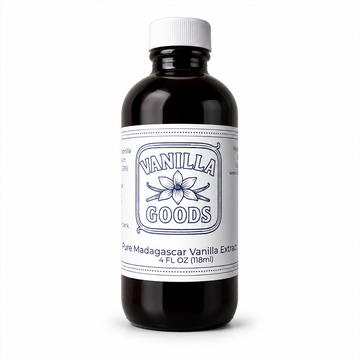
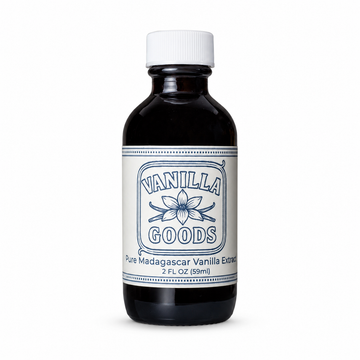
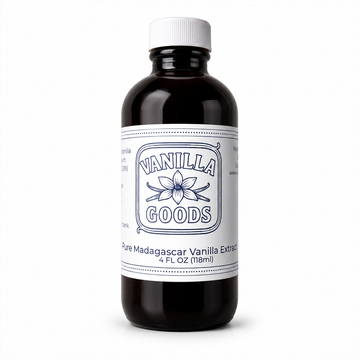
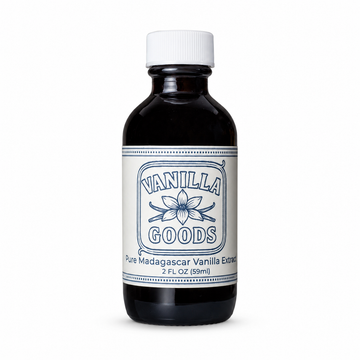
Made with VanillaGoods
Browse available VanillaGoods products below. Check each product's origin and form against the ingredient list; these recommendations do not change the recipe's quantities or preparation method.



Recipe Rating
0 commentsNo comments yet — be the first to share how this turned out for you.
Leave a comment