Pan de pulque is a round, lightly sweet roll raised with pulque, the fermented sap of the agave, which gives it a gentle tang and a soft, springy crumb. Spiced with cinnamon and sweetened with piloncillo, it is eaten with atole or café de olla. Makes 12 rolls in about 4 hr 29 min.
Prep35 min
Cook24 min
Cooling15 min
Total
4 hr 29 min
Yield
12 rolls
Ingredients
Adjust yield
rolls
Scales from a half to a double batch. Laminated and yeasted doughs are easiest to handle one batch at a time; bake extra pans in rounds.
4 cups (500 g)all-purpose flour
½ cup (100 g)piloncillo, finely grated, or dark brown sugar, for the dough
¼ oz (4 g)instant yeast
1 tsp (6 g)fine salt
1 ½ tsp (4 g)ground cinnamon
2(100 g)eggs, large, room temperature
1 cup (220 ml)pulque, fresh or canned, room temperature
3 oz (90 g)lard, softened, or vegetable shortening, for the dough
In a large bowl or stand mixer, whisk the all-purpose flour, 100 g piloncillo, instant yeast, fine salt and ground cinnamon.
Add the eggs and pulque and mix into a shaggy dough. Knead by hand or with the dough hook on medium until smooth and elastic, about 10 minutes.
Add the softened lard a spoonful at a time and keep kneading until it is fully absorbed and the dough is soft and silky, 6 to 8 minutes.
Cover and let rise in a warm spot until doubled, 2 to 2 1/2 hours; pulque works more slowly than commercial yeast alone.
Press out the air and divide the dough into 12 pieces (about 85 g each). Roll each into a tight ball and set them 2 inches (5 cm) apart on the greased baking sheets.
Brush the rolls with the melted lard, cover loosely and let rise until doubled, 60 to 75 minutes. During the last 20 minutes, heat the oven to 375°F (190°C).
Sprinkle the tops with the 40 g grated piloncillo and bake until deep golden brown and the bottoms sound hollow when tapped, 20 to 24 minutes, rotating the pans halfway.
Cool on a rack at least 15 minutes before serving.
Tips
Fresh pulque is livelier and tangier; canned pulque from Mexican groceries also works, helped by the small amount of yeast.
The dough should feel soft and slightly tacky after kneading; add flour only a tablespoon at a time.
The alcohol in pulque bakes off; what remains is a mild, sourdough-like tang.
Good with café de olla or atole.
Made this?
Log it to keep your bakes, ratings and notes together in My Kitchen.
How long does it take to make pan de pulque (mexican pulque sweet rolls)?
Plan on 35 minutes of prep and 24 minutes of cooking, plus 3 hours 30 minutes to rise and rest. The recipe makes 12 rolls.
How should I store pan de pulque (mexican pulque sweet rolls)?
Store in a bread bag at room temperature up to 3 days, or freeze up to 2 months.
Can I make pan de pulque (mexican pulque sweet rolls) ahead?
It is at its best the day it is made; prepare it a few hours before serving.
Tlaxcalan settlers who founded San Esteban de Nueva Tlaxcala beside Saltillo around 1591 used fermenting pulque in place of costly European yeast, and Saltillo bakers still make these round, lightly sweet rolls with fresh pulque. Serve it with café de olla or atole.
Variations
Bite-size rolls: divide into 24 pieces (about 42 g) and bake 14 to 16 minutes.
Orange-zest rolls: knead 1 tbsp (6 g) finely grated orange zest into the dough with the eggs; bake time unchanged.
Pecan-filled: flatten each piece, add 1 tbsp (8 g) chopped pecans mixed with a little grated piloncillo, pinch closed and shape (adds tree nuts); bake time unchanged.
Tlaxcala-style braid: braid the dough into one loaf, brush with beaten egg, sprinkle with 2 tbsp (18 g) sesame seeds (adds sesame) and bake 30 to 35 minutes.
Estimated · per serving
Nutrition
Per serving = 1 of 12 servings this recipe makes.
297Calories / serving
10.0gFat
44.3gCarbs
5.5gProtein
10.3gSugar
Whole recipe (12 servings):
~3564 cal ·
120g fat ·
532g carbs ·
66g protein ·
124g sugar
Estimated values per serving, calculated from standard ingredient data. Not verified Nutrition Facts; actual values vary with brands, measurements, and preparation.
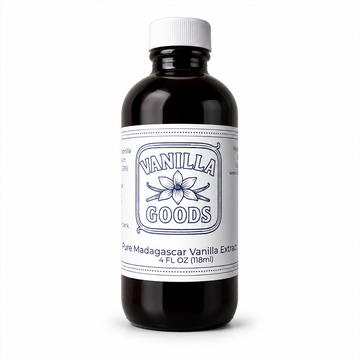
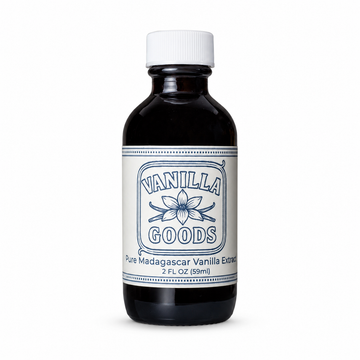
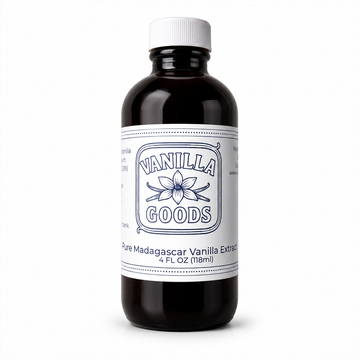
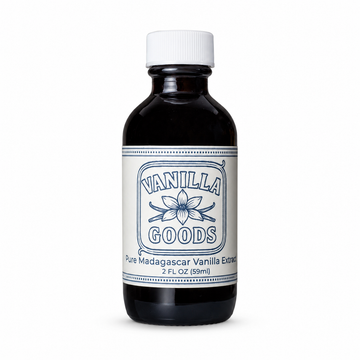
Made with VanillaGoods
Browse available VanillaGoods products below. Check each product's origin and form against the ingredient list; these recommendations do not change the recipe's quantities or preparation method.



Recipe Rating
0 commentsNo comments yet — be the first to share how this turned out for you.
Leave a comment