

Aging, Storing & Refilling Vanilla Extract: The Long-Term Care Guide
A jar of vanilla extract isn't a single batch with a fixed expiration date. Treated correctly, it's a living project that gets better — and richer, and more complex — for years. Some home extract makers maintain mother jars that have been continuously refilled for decades, with flavor profiles you simply can't buy at any price.
This article covers the long-term care of vanilla extract: how to store it for maximum flavor preservation, when and how to refill, when to add new beans, and how to think about your jar as an evolving project rather than a finished product. By the end you'll know exactly how to make a single bean purchase pay flavor dividends for years to come.
Vanilla Extract Doesn't Expire (Mostly)
Pure vanilla extract is one of the most shelf-stable ingredients in your kitchen. With at least 35% alcohol by volume, it's effectively self-preserving. Bacteria and yeast cannot grow in it. Mold cannot establish itself. The high alcohol content sterilizes the liquid permanently.
Properly stored, real vanilla extract can last:
• In a sealed bottle: indefinitely. Decades, easily. There are extracts in commercial cellars that have aged 20+ years and only gotten better.
• Once opened: still indefinitely, as long as it's tightly resealed and stored away from light and heat.
This is dramatically different from most pantry ingredients. Spices lose potency in months. Olive oil goes rancid within a year or two. Most baking ingredients have shelf lives measured in months. Vanilla extract is more like fine spirits — stable for years, often improving with time.
The same is not true for imitation vanilla, which can degrade and develop off-flavors more readily. Real vanilla extract is the durable one.
Optimal Storage Conditions
Although extract is durable, storage conditions still affect quality. Three factors matter most.
1. Light
Ultraviolet light is the biggest enemy of vanilla extract. UV exposure degrades vanillin and other phenolic compounds, slowly thinning the flavor profile and dulling color. A bottle of clear-glass extract on a sunny counter loses noticeable potency over a year.
Best practice: store extract in a dark cabinet or pantry. If your extract is in a clear glass bottle that lives on display, wrap it in a paper bag, store it in a small wooden box, or transfer it to amber glass.
2. Heat
Heat accelerates all chemical reactions, including the destructive ones. Storage above 75°F (24°C) can speed up degradation of delicate aromatic compounds. Extreme heat (above 95°F / 35°C) can also cause some volatile compounds to evaporate even through a sealed cap over time.
Best practice: store extract at a stable, moderate temperature — ideally 60–75°F (15–24°C). A kitchen cabinet, pantry, or even a basement shelf works well. Avoid storage near the stove, dishwasher, or any heat source.
3. Air
Oxygen exposure during long-term storage drives slow oxidation reactions. In moderation, mild oxidation contributes to flavor development and complexity in aged extract. Excessive oxygen exposure damages flavor compounds over time.
Best practice: keep extract jars and bottles tightly sealed. As you use the extract and the air space inside the bottle grows, consider transferring to smaller bottles to reduce headspace, or refill with fresh alcohol (more on this below).
Should You Refrigerate Extract?
No — and refrigeration can actually hurt extract during initial aging.
Cold temperatures slow the chemical reactions that develop and integrate flavor. Refrigerated extract during aging takes much longer to mature. After aging is complete and you're using the extract, refrigeration is unnecessary because alcohol's preservative effect is fully sufficient at room temperature.
There's one exception: if you live in an extremely hot climate where your kitchen regularly exceeds 80°F, refrigeration can help preserve quality during long-term storage. In that case, refrigerate after aging is complete, not during.
How to Tell If Extract Has Gone Bad
Real vanilla extract going "bad" is rare, but not impossible. Signs of true degradation:
• Strong sour or vinegary smell: suggests possible contamination or fermentation. Likely a result of dilution below the alcohol threshold. Discard.
• Visible mold: rare in 35%+ alcohol but possible if the extract was diluted. Discard.
• Significantly diminished aroma: not necessarily "bad" — just old and depleted. Add fresh beans to revitalize, or use what's left in less critical applications.
• Plastic/chemical off-flavors: almost always from prolonged storage in plastic. Transfer to glass, but flavors may not recover.
Sediment at the bottom or cloudy liquid is normal — that's just bean debris and natural compounds settling out of solution. Strain if it bothers you, but it's not a quality issue.
The Refill System: How Extract Becomes a Lifetime Project
Here's where vanilla extract gets really interesting. Once your initial batch has aged for 6+ months and you start using it, you don't have to start over when the jar runs low. You can refill — and the second-generation extract is often as good as the first, sometimes better.
How refilling works
1. Use your aged extract normally. Pour it as needed for recipes.
2. When the jar is about half empty, top up with fresh alcohol of the same type you originally used (vodka with vodka, bourbon with bourbon).
3. Allow the refilled jar to sit undisturbed for 4–6 weeks. The remaining old beans continue to release flavor compounds into the new alcohol.
4. Use again. Repeat the cycle.
This system can run for years from a single set of beans. The extract gets gradually weaker each refill cycle as the beans deplete, but the decline is slow — you'll often go through 3–5 refill cycles before flavor noticeably weakens.
When to add new beans
Eventually, even the most aggressive refilling won't keep flavor strong. When your refilled extract starts tasting thin or one-dimensional, it's time to add new beans.
Add 1–2 fresh split beans to the jar. Don't remove the old beans — they may still have a small amount of flavor to contribute, and removing them isn't necessary. Just add new beans alongside the old. Allow another 4–8 weeks before the new beans start contributing meaningfully.
The mother jar concept
Some serious home extract makers maintain what's called a "mother jar" — a single jar that has been refilled and replenished continuously for years. Beans of different ages steep together. Multiple alcohol generations layer in the liquid. The result is an extract with extraordinary complexity that simply cannot be made any other way.
A 5-year-old mother jar might contain:
• Original beans from year 1 (now mostly spent)
• Beans added in year 2 (still releasing some flavor)
• Beans added in year 4 (actively flavoring)
• Alcohol that's been in the jar since various refill events over 5 years
The flavor profile of an extract like this is genuinely unique. The layering of bean ages, the long oxidative aging of some of the original alcohol, and the slow integration of all these compounds together produces a vanilla extract with depth that no commercial product matches.
Bottling Aged Extract for Daily Use
Even with a mother jar going, most people find it useful to bottle a working portion of their extract for everyday baking. The bottle in the kitchen sees frequent use; the mother jar sits in a cabinet aging long-term.
How to bottle from your mother jar
5. Strain a portion of mature extract through a fine-mesh strainer to remove larger bean particles. Sediment at the bottom is fine; you don't need extreme clarity.
6. Use a small funnel to transfer to a clean dark-glass bottle (4 oz amber dropper bottles work well).
7. Optionally add a small piece of fresh vanilla bean to the bottle — visually beautiful and continues to flavor the extract during use.
8. Label with the contents and the date bottled.
9. Store the working bottle in your kitchen cabinet. Use as needed.
10. Refill the working bottle from the mother jar as needed.
Choosing bottles for daily use
• Amber glass: the gold standard. UV protection plus aesthetic appeal.
• Cobalt blue glass: similar UV protection, beautifully decorative.
• Clear glass: works if stored in a cabinet. Avoid for countertop display.
• Bottles with droppers or pour spouts: convenient but can leak slowly over time. Check seals occasionally.
Gifting Aged Extract
Homemade vanilla extract is one of the most appreciated edible gifts you can give. Once you have a mother jar producing mature extract, you can bottle and gift batches with very little effort.
Building a gift bottle
11. Strain mature extract from your mother jar.
12. Funnel into small (2 oz or 4 oz) glass bottles.
13. Drop in 1 small piece of fresh vanilla bean — looks beautiful and signals quality.
14. Use a small label or hand-tied tag including: the start date of the original batch, the bean origin (e.g., "Madagascar Bourbon"), the alcohol type (e.g., "vodka"), and a brief recommended use note (e.g., "Use 1 tsp per batch of cookies").
15. Optionally tie with a piece of twine or kraft paper for a craft aesthetic.
What recipients love
People love story-driven gifts. A bottle of homemade extract with the date you started the batch ("Started October 2023") feels different from a generic store-bought bottle. The recipient knows you spent months on this. They'll think of you every time they bake.
The combination of approximate cost ($3–8 per gift bottle when made in bulk) and perceived value (specialty homemade extract retails for $20–40+ per bottle) makes this one of the highest-leverage gifting projects in the entire kitchen.
Long-Term Storage of Vanilla Beans
Beyond the extract itself, you may have additional vanilla beans that you want to store for future use. Bean storage has its own rules.
Short-term (up to 6 months)
• Original packaging, sealed, in a cool dark cabinet. Beans should remain supple.
• If beans came in a vacuum-sealed pouch, keep them sealed until ready to use, then transfer to a smaller airtight container after opening.
Medium-term (6 months to 2 years)
• Vacuum-sealed in food-grade vacuum bags or jars. Removes air to prevent slow drying.
• Stored in a cool dark place. Avoid temperature fluctuations.
Long-term (2+ years)
• Submerge in alcohol. The simplest long-term storage is to start an extract — alcohol preserves beans indefinitely.
• Bury in vanilla sugar. Beans surrounded by sugar are protected from air and slowly flavor the sugar over time.
• Vacuum-sealed and refrigerated. Slows any ongoing chemistry but isn't necessary for shorter timeframes.
Don't freeze vanilla beans. The freeze-thaw cycle can damage cell structure and reduce flavor when the beans warm back up. Refrigeration with vacuum sealing is sufficient for the longest storage you'd ever need.
Reviving dried-out beans
If beans become dry and brittle from extended storage, you can sometimes revive them. Wrap in a damp paper towel for 24 hours, then check texture. If still brittle, repeat with fresh damp towel. Once supple, use immediately or transfer to alcohol for storage.
Note: "revived" dry beans never quite match fresh ones for direct culinary use (splitting and scraping for custards, for example). They're still excellent for extract, where the slight loss of moisture is irrelevant.
A 5-Year Vanilla Plan
Here's how a serious home vanilla operation might look on a 5-year timeline:
Year 1: Establish the foundation
• Start a vodka extract jar (single-fold, FDA-standard ratio)
• Start a separate bourbon extract jar for autumn baking
• After 6 months, both jars are mature. Bottle small portions for daily use.
Year 2: Expand and refine
• Refill both jars as needed. Add fresh beans as flavor weakens.
• Start a third jar with a different bean origin (Tahitian or Mexican) to compare
• Begin saving spent beans to start vanilla sugar and vanilla powder projects
Year 3–4: Build complexity
• Mother jars are 2–3 years old. Flavor is exceptional.
• Experiment with double-fold variation
• Have aged extract on hand for gifts at every holiday season
Year 5: Mature operation
• Multiple jars, each with distinct character
• Spent beans flowing through to powder and sugar projects
• Per-recipe vanilla cost is dramatically lower than buying retail extract
This isn't a hypothetical — this is roughly the trajectory most serious home extract makers follow. The early years require patience, but the system pays off compounding for the rest of your cooking life.
Common Long-Term Care Questions
How long can a single jar last?
Indefinitely with refilling and bean replacement. Some home jars are 10+ years old and still producing excellent extract. The original beans are long since spent, but they've been replenished enough times that the jar contains beans of multiple ages and alcohol from multiple refill events.
Can I add more beans without taking out the old ones?
Yes — and you should. Old beans don't need to be removed. They may continue contributing trace flavor for years, and the layering of bean ages adds complexity. Just add new beans alongside, never replacing.
How much will it cost over time?
After your initial bean purchase, the ongoing cost is mostly alcohol for refilling and occasional new beans. A typical home extract operation might cost $40–80 per year in supplies, producing the equivalent of $300+ worth of high-quality extract. The economics improve every year as the system establishes.
What if I move?
Vanilla extract travels well. Wrap jars in towels for transport. Once unpacked, give the jars a week to settle, then continue normal use. The jars don't "reset" from being moved.
Can I sell my homemade extract?
In most U.S. jurisdictions, no — selling food products requires commercial kitchen licensing and FDA compliance. Gift it, share it, but don't sell it without proper licensing.
VanillaGoods Final Thoughts
The most striking thing about vanilla extract is that, treated well, it isn't a product you buy and finish. It's an evolving project that improves with attention over years. A jar that started today can still be flavoring your food in 2035 — same jar, layered with decades of beans and alcohol, telling a small story about the long arc of a kitchen.
Most ingredients in your pantry are consumed and replaced. Vanilla is one of the rare ones that grows alongside you. Set up a good jar today, take care of it, and it'll take care of you.
Begin Your Long-Term Project
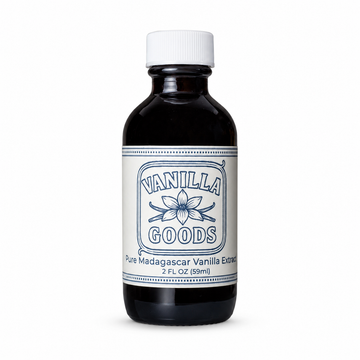
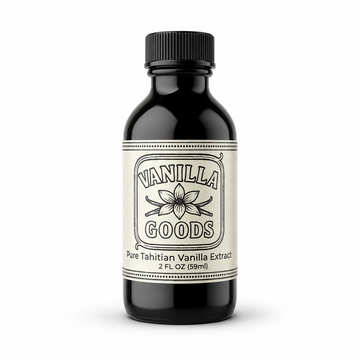
The first batch sets the foundation for everything that follows. Our Grade B Madagascar vanilla beans are the right choice for any extract project — flavor-dense, fairly priced, and ready to start the multi-year journey. Or shop our already-aged pure vanilla extract while your home batch matures.



Article Comments
0 commentsNo comments yet — be the first to share how this turned out for you.
Leave a comment