
Does vanilla extract expire? Pure vanilla extract does not expire in the way perishable foods do because the alcohol content—at least 35 percent by law—acts as a natural preservative. Stored properly in a cool, dark place, pure vanilla extract can maintain its quality for years and often improves with age.
Key takeaways
- Pure vanilla extract with at least 35% alcohol does not spoil or become unsafe, thanks to alcohol's preservative properties
- Quality and flavor potency can decline after 5–10 years if stored improperly, especially with heat, light, or air exposure
- Imitation vanilla and vanilla paste have shorter shelf lives—typically 2–4 years—and can degrade faster
- Properly stored extract in a sealed, dark-glass bottle away from heat retains peak flavor indefinitely
Pure vanilla extract lasts indefinitely when stored correctly
The high alcohol content in pure vanilla extract is the reason it never truly expires. Alcohol is a powerful antimicrobial agent that prevents the growth of bacteria, mold, and yeast, so your bottle of extract won't turn rancid or unsafe no matter how old it is. Many extract makers and home enthusiasts find that aging vanilla extract actually deepens and mellows the flavor, much like aging fine spirits. If you've had a bottle sitting in your pantry for five years, it's still perfectly safe to use.
That said, "safe" and "at peak quality" are two different things. Over very long periods—think a decade or more—exposure to heat, light, and repeated opening can cause some of the more delicate aromatic compounds to evaporate or degrade. The extract won't harm you, but it might not deliver the same rich complexity it once did. This is why proper storage matters even for a product that technically lasts forever.
Why alcohol preserves vanilla extract so effectively
Vanilla extract is defined by federal standards as a solution containing at least 35 percent alcohol by volume, and most commercial and homemade extracts fall between 35 and 40 percent. At this concentration, alcohol serves two critical roles: it extracts the flavor compounds—particularly vanillin and other phenolic aldehydes—from vanilla beans during maceration, and it preserves those compounds in solution for years. Alcohol denatures proteins and disrupts cell membranes in microorganisms, making it impossible for spoilage bacteria or mold to survive.
This is also why imitation vanilla, which often contains little to no alcohol, has a much shorter shelf life. Synthetic vanillin suspended in water, propylene glycol, or corn syrup lacks the antimicrobial shield that alcohol provides. Once opened, imitation vanilla can oxidize, separate, or lose potency within a couple of years. Pure extract, by contrast, remains chemically stable as long as the bottle is sealed between uses and kept out of direct sunlight.
What can cause vanilla extract quality to decline
Even though pure vanilla extract won't spoil, several factors can diminish its flavor over time. Heat is the biggest culprit: storing extract on a shelf above the stove or near a window where afternoon sun hits the bottle can cause volatile aromatic compounds to evaporate faster. Light—especially UV light—can break down some of the more complex flavor molecules, leaving the extract tasting flat or one-dimensional. If you notice your extract smells more of raw alcohol and less of the warm, sweet vanilla you expect, heat or light exposure is usually the reason.
Air exposure is another concern, though a smaller one. Every time you open the bottle, a small amount of alcohol evaporates and oxygen enters, which can slowly oxidize some flavor compounds. This process is very gradual, but if you've been using the same bottle for a decade and opening it frequently, you might notice a subtle loss of complexity. The good news is that topping off homemade extract with fresh beans or a splash of vodka can revive it, much like reusing vanilla beans to maximize value.
How to store vanilla extract for maximum shelf life
Proper storage extends the peak quality of vanilla extract almost indefinitely. Keep your bottle in a cool, dark cupboard away from heat sources—a pantry shelf at room temperature is ideal. Dark-glass bottles (amber or cobalt blue) are better than clear glass because they block UV light, which is why most high-quality extracts come in tinted containers. Always tighten the cap fully after each use to minimize air exposure and evaporation.
Avoid refrigerating vanilla extract. The cold temperature doesn't improve preservation, and condensation can form inside the bottle when you move it in and out of the fridge, introducing moisture that can dilute the extract over time. Room temperature, stable conditions are all you need. If you make your own extract, follow the same storage rules, and consider transferring finished extract into smaller bottles as you use it down; less headspace in the bottle means less opportunity for oxidation.
| Storage condition | Effect on shelf life | Recommendation |
|---|---|---|
| Cool, dark pantry | Preserves flavor indefinitely | Best practice |
| Near stove or oven | Accelerates evaporation, dulls flavor | Avoid |
| Direct sunlight | Breaks down aromatic compounds | Avoid |
| Refrigerator | Unnecessary; risks condensation | Not recommended |
| Dark-glass bottle | Blocks UV light, extends peak quality | Preferred |
How to tell if your extract has lost potency
If you're unsure whether an old bottle of vanilla extract is still good, a simple smell and taste test will tell you everything you need to know. Open the bottle and take a careful sniff: you should detect rich, sweet vanilla with layers of caramel, floral, or even woody notes depending on the origin. If it smells primarily of alcohol with only a faint vanilla background, the flavor compounds have likely diminished. A small taste on your fingertip should deliver a warm, complex vanilla punch despite the alcohol burn; if it tastes thin or one-note, it's time to replace it or revive weak extract by adding fresh beans.
Visual cues can also help. Pure extract should be a deep amber or brown color; if it's turned pale or cloudy, something has gone wrong—possibly dilution from condensation or contamination. Sediment at the bottom of the bottle is normal, especially in homemade or artisan extracts, and actually indicates the presence of natural vanilla bean particulates. Shake the bottle gently; if the liquid is clear and uniform, that's a good sign. If you see floating mold or an off smell that's musty rather than boozy, discard it, though this is exceedingly rare with properly made pure extract.
Common mistakes that shorten extract shelf life
One of the most common errors home bakers make is storing vanilla extract in a clear glass bottle on an open spice rack. While it looks lovely displayed with your other ingredients, the constant light exposure will degrade the extract's flavor over months and years. Another mistake is using extract straight from the bottle with a wet spoon or measuring cup; introducing moisture can create an environment where contamination is more likely, though the alcohol usually neutralizes the risk. Always use a clean, dry measuring spoon and pour carefully to avoid any back-contamination.
For those who make homemade vanilla extract, a frequent misstep is removing the beans too early or storing the finished extract in bottles with poor seals. Leaving the beans in the extract indefinitely is not only safe but beneficial—they continue to contribute flavor and help the extract mature. If you do remove them, make sure your storage bottle has an airtight cap or cork. Swing-top bottles with rubber gaskets work well, as do standard screw-cap amber bottles designed for essential oils or tinctures.
Why VanillaGoods extract is built to last
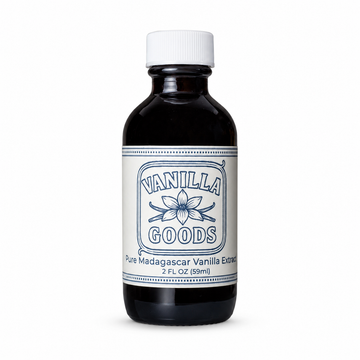
When you invest in Madagascar Vanilla Extract from VanillaGoods, you're getting a product designed for both immediate use and long-term storage. Each bottle is made with single-origin Grade A beans and a minimum of 35% alcohol, ensuring robust preservation and deep, layered flavor. The extract is packaged in dark-glass bottles to guard against light degradation, and because VanillaGoods uses a traditional maceration process, the extract continues to mellow and improve even after bottling. Whether you use it this week or five years from now, the quality remains exceptional.
Does imitation vanilla or vanilla paste expire differently?
Imitation vanilla typically expires faster than pure extract because it relies on synthetic vanillin dissolved in water, glycerin, or other solvents with lower alcohol content—or none at all. Most imitation vanilla carries a "best by" date of two to four years, and once opened, it can lose flavor or develop off-notes within a year. The lack of natural preservatives and the presence of added colorings or stabilizers mean it's more vulnerable to oxidation and microbial growth, especially if stored improperly.
Vanilla paste, which blends extract with vanilla bean seeds and a thickening agent like gum or sugar syrup, also has a shorter shelf life than pure extract—usually around three to five years unopened and one to two years after opening. The added sugars and lower alcohol concentration create an environment where quality can degrade more quickly, particularly if the paste is exposed to air or moisture. Always refrigerate vanilla paste after opening and check for any changes in color, smell, or texture before using an old jar.
Can old vanilla extract be revived or improved?
If you have a bottle of pure vanilla extract that's lost some of its punch, you can absolutely bring it back to life. Add two or three fresh Grade B vanilla beans (which are ideal for extraction because of their lower moisture content and concentrated flavor), split them lengthwise, and submerge them in the existing extract. Seal the bottle and let it sit for at least four to six weeks, shaking it once a week. The fresh beans will release new flavor compounds, and the alcohol will extract them just as it did during the original maceration. This technique works especially well for homemade extract that's been sitting for years.
You can also blend an older extract with a fresher batch to balance out any flavor loss. If you notice your five-year-old bottle is a bit mellow, mix it half-and-half with a newly made or recently purchased extract. This gives you the depth of the aged extract plus the brightness of the new one, often resulting in a more complex flavor profile than either alone. Many professional bakers and pastry chefs keep multiple bottles at different stages of aging and blend them to suit specific recipes.
Related questions about vanilla storage and longevity
Can vanilla beans go bad like vanilla extract?
Vanilla beans can degrade if stored improperly, but they don't "expire" in a strict sense. Beans can dry out, mold, or lose potency depending on humidity, temperature, and air exposure. Store them in an airtight container in a cool, dark place, and they'll remain usable for years. If beans become brittle, you can still grind them into vanilla powder or use them for extract—they just won't be as pliable for splitting and scraping.
Does homemade vanilla extract last as long as commercial extract?
Homemade vanilla extract, when made with the proper ratio of beans to alcohol (at least 35% ABV), lasts just as long as commercial extract—indefinitely if stored correctly. The key is using quality beans and a neutral spirit like vodka, bourbon, or rum, and keeping the finished extract in a sealed, dark-glass bottle. Many home extract makers find their batches actually improve past the initial aging period, developing richer, more nuanced flavors over years.
Should I discard vanilla extract past its best-by date?
No, you don't need to discard pure vanilla extract past its best-by date. That date is a manufacturer's estimate of peak quality, not an expiration or safety cutoff. As long as the extract smells and tastes like vanilla and has been stored properly, it's still perfectly good to use. Trust your senses: if it looks, smells, and tastes right, it is right.
Frequently asked questions
How long does vanilla extract last once opened?
Pure vanilla extract lasts indefinitely once opened as long as it's stored in a sealed bottle away from heat and light. The alcohol content preserves it, so there's no need to refrigerate or worry about spoilage. You may notice a very gradual loss of potency after many years of frequent opening due to evaporation and oxidation, but the extract remains safe and flavorful for decades with proper care.
Can you use vanilla extract that's 10 years old?
Yes, you can safely use vanilla extract that's 10 years old, and it may even taste better than when you first bought it. Pure extract often mellows and deepens with age, much like aged spirits. Give it a smell and taste test: if the vanilla aroma is still strong and pleasant, use it with confidence. If it seems weak, you can revive it by adding fresh vanilla beans and letting it steep for a few more weeks.
Why does my vanilla extract smell more like alcohol than vanilla?
If your vanilla extract smells predominantly of alcohol, it's likely either very fresh and hasn't had time to mellow, or it's been stored in conditions that caused the volatile vanilla compounds to evaporate while the alcohol remained. Aging the extract for a few more months can help the alcohol note integrate and soften. Heat and light exposure can also strip away the delicate vanilla aromatics, leaving the alcohol scent more prominent.
Does vanilla extract need to be refrigerated after opening?
No, vanilla extract does not need to be refrigerated after opening. The high alcohol content preserves it at room temperature, and refrigeration offers no benefit. In fact, moving the bottle in and out of the fridge can cause condensation inside, potentially diluting the extract. Store it in a cool, dark cupboard with the cap tightly sealed, and it will stay fresh indefinitely.
What's the difference between pure and imitation vanilla extract shelf life?
Pure vanilla extract lasts indefinitely due to its high alcohol content, while imitation vanilla typically expires within two to four years because it contains synthetic vanillin in water or glycerin with little or no alcohol. Imitation vanilla is more prone to oxidation, separation, and flavor loss once opened. For long-term storage and consistent quality, pure extract is always the better choice.
If you're ready to stock your kitchen with vanilla extract that truly lasts, explore VanillaGoods' pure Madagascar Vanilla Extract—a single-origin product made to deliver rich, enduring flavor for all your baking and cooking needs. For more answers to your vanilla questions, visit the Vanilla FAQ hub.