A vanilla latte recipe built with real vanilla extract delivers creamy sweetness and 250-plus aromatic compounds that synthetic syrups can't replicate. Pair freshly pulled espresso with steamed milk and a half-teaspoon of pure vanilla, and you'll taste the difference in every sip.
Key takeaways
- Use a double shot of espresso (2 oz / 60 ml) and 10–12 oz (300–350 ml) steamed milk for a balanced 12 oz latte
- Add ½ teaspoon pure vanilla extract to hot milk before pouring, or stir into the finished drink if you prefer brighter top notes
- Steam milk to 150–155°F (65–68°C) to preserve sweetness and avoid scalding
- Medium or dark-roast espresso stands up to milk and vanilla without bitterness; single-origin coffees bring unique flavor layers
- A record 47% of American adults had an espresso-based beverage in the past week, according to National Coffee Association data from fall 2026
Why coffee matters in a vanilla latte
Coffee anchors the drink with roasted, caramel, and cocoa notes that vanilla softens and rounds out. Real espresso delivers concentrated acidity and body that cut through whole milk's fat, preventing the drink from feeling flat or one-dimensional. The Maillard compounds formed during roasting overlap with some of vanilla's 250-plus flavor compounds, so the two ingredients reinforce each other rather than competing. Vanilla amplifies espresso's natural sweetness without masking origin character, which is why single-origin beans shine in a latte.
Espresso-based beverages have surged in popularity. Lattes specifically reached 21% past-week consumption in spring 2026, up from 17% in 2022, according to Daily Coffee News reporting on National Coffee Association trends. That growth reflects home baristas chasing cafe quality, which makes technique and ingredient choice more important than ever.
Which coffee to use: roast, origin, and form
Medium to dark roasts work best in milk drinks because their roasted caramel and chocolate notes stand up to dairy without turning sharp or sour. Single-origin espresso adds complexity, while blended espresso delivers consistency shot after shot. You'll want whole beans ground fresh for each pull, or pre-ground espresso stored in an airtight container for no more than a week.
Arabica beans produce cleaner acidity and more nuanced flavor than robusta, and they pair gracefully with real vanilla. Look for beans roasted within the past two to four weeks; stale coffee tastes flat even with milk and sweetener masking it. If you don't own an espresso machine, strong brewed coffee or moka-pot concentrate will work in a pinch, though the body and crema won't match a true double shot.
| Coffee type | Flavor contribution | Best for |
|---|---|---|
| Medium single-origin (e.g., Uganda, Mexico) | Bright fruit, cocoa, gentle acidity | Showcasing origin character alongside vanilla |
| Dark single-origin (e.g., Sumatra) | Earthy, chocolate, low acidity | Bold, full-bodied lattes with minimal sweetener |
| Espresso blend (African, Italian Roast) | Balanced, consistent roasted notes | Everyday lattes, reliable extraction |
| Decaf espresso | Similar profile, no caffeine | Evening drinks or caffeine-sensitive drinkers |
The core vanilla latte recipe
This recipe makes one 12 oz (350 ml) latte. Scale the espresso and milk proportionally for larger or smaller servings, and adjust vanilla to taste after your first attempt.
Ingredients
- 2 oz (60 ml) espresso, freshly pulled (double shot)
- 10 oz (300 ml) whole milk (or your preferred milk)
- ½ teaspoon pure vanilla extract
- Optional: 1–2 teaspoons sugar, honey, or maple syrup
Instructions
- Preheat your espresso cup and latte mug with hot water, then discard.
- Grind 18–20 grams of coffee beans to a fine espresso grind (texture of table salt).
- Tamp evenly and pull a double shot into the preheated cup. Aim for 2 oz of espresso in 25–30 seconds.
- Pour cold milk into a steaming pitcher. Purge the steam wand, then submerge the tip just below the milk surface.
- Steam milk to 150–155°F (65–68°C), incorporating air during the first few seconds to create microfoam, then heating without adding more air.
- Stir ½ teaspoon vanilla extract into the hot steamed milk, or add it directly to your latte mug before pouring.
- Pour espresso into your latte mug, then add steamed milk in a slow, steady stream. Hold back foam with a spoon, then spoon it on top.
- Sweeten if desired, stir gently, and serve immediately.
Technique notes: timing, temperature, and when to add vanilla
Timing matters because espresso oxidizes quickly. Pull your shot within 30 seconds of grinding, and combine it with milk within 60 seconds of pulling to capture peak flavor. If espresso sits more than two minutes before you add milk, bitterness and astringency start to dominate.
Milk temperature determines sweetness and texture. Between 150–155°F (65–68°C), lactose tastes sweet and foam stays silky. Above 160°F (71°C), milk scalds and develops a cooked flavor that clashes with vanilla. Use a thermometer until you can judge by touch: the pitcher should feel uncomfortably hot but not painful to hold for a second.
When you add vanilla changes the flavor profile. Stirring vanilla extract into hot steamed milk before pouring mellows the alcohol and integrates the flavor deeply. Adding vanilla directly to the finished latte preserves brighter, more floral top notes. Try both methods and decide which you prefer. Avoid adding vanilla to cold milk before steaming, since the alcohol can interfere with foam formation.
Variations
Iced vanilla latte
Pull a double shot over ice in a tall glass. Stir in ½ teaspoon vanilla extract and optional sweetener, then fill the glass with cold milk. The vanilla integrates faster when stirred into hot espresso before adding ice.
Vanilla oat milk latte
Substitute barista-blend oat milk for dairy. Oat milk foams well and adds natural sweetness, so start with ¼ teaspoon vanilla and adjust upward. Steam to the same temperature as dairy milk.
Honey vanilla latte
Combine ½ teaspoon vanilla extract with 1 teaspoon honey in the bottom of your mug before adding espresso. The honey dissolves in hot espresso and adds floral complexity alongside vanilla.
Vanilla cortado
Use equal parts espresso and steamed milk (2 oz each) with ¼ teaspoon vanilla extract. The smaller volume and higher espresso ratio produce a more concentrated, less sweet drink that highlights coffee and vanilla equally.
Barrel-aged vanilla latte
Use whiskey barrel-aged coffee for subtle oak and caramel notes that complement vanilla's warmth. This variation works especially well with whole milk and no added sweetener, letting the aged coffee and vanilla speak for themselves.
Troubleshooting
If your latte tastes weak or watery, you've under-extracted the espresso or used too much milk. Check your grind size (it should be fine, not powdery), tamp pressure (firm and level), and espresso-to-milk ratio. A proper double shot yields 2 oz in 25–30 seconds; anything faster means your grind is too coarse.
Bitter or sour lattes signal extraction problems. Bitterness comes from over-extraction (grind too fine, water too hot, or shot pulled too long), while sourness indicates under-extraction (grind too coarse, water too cool, or shot pulled too fast). Adjust one variable at a time and taste after each change.
Flat or large-bubble foam means you've incorporated too much air too quickly or failed to create a vortex during steaming. Keep the steam wand tip just below the surface for the first three seconds, then submerge it fully to heat and texture the milk without adding more air. The finished microfoam should look like wet paint and pour in a smooth, cohesive stream.
If vanilla flavor disappears in the finished drink, you're either using imitation vanilla or adding extract to cold milk. Real vanilla extract contains hundreds of aromatic compounds that synthetic vanillin lacks, and those compounds bloom in heat. Always use pure vanilla extract and add it to hot liquid for full flavor development.
Overly sweet lattes usually mean too much added sugar or vanilla extract used in place of beans, paste, or powder in recipes that call for those forms. Start with ½ teaspoon extract per 12 oz drink and adjust by the quarter-teaspoon. Remember that milk itself contributes sweetness, especially when steamed properly.
Common mistakes and pro tips
The most common mistake is using imitation vanilla or coffee shop syrup instead of pure extract. Lignin vanillin and petroleum vanillin taste one-dimensional next to real vanilla, and syrups add sugar and preservatives that muddy espresso's clarity. Pure extract costs more upfront but delivers incomparably richer flavor.
Grinding coffee too far ahead or storing ground espresso in a bag that isn't airtight robs your latte of aroma. Grind immediately before pulling each shot when possible. If you must grind in batches, use an opaque, airtight container and finish the grounds within five days.
Pouring milk too fast creates a layered drink instead of a homogenous latte. Start your pour close to the surface of the espresso and raise the pitcher as the cup fills. This technique integrates milk and coffee smoothly and sets you up for basic latte art if you're interested.
Pro tip: preheat everything. Hot espresso poured into a cold mug loses 10–15°F instantly, which shortens the drinking window and dulls flavor. Run hot water through your portafilter, cup, and latte mug before you begin.
Another pro move: taste your espresso straight before adding milk. A balanced shot should have pleasant acidity, mild bitterness, and a touch of sweetness. If it doesn't taste good on its own, milk and vanilla will only mask problems rather than fixing them.
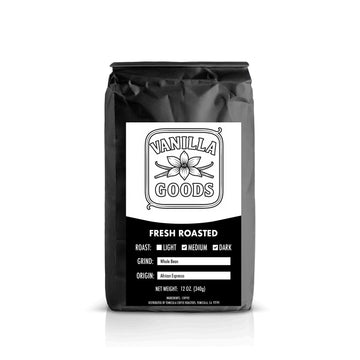
When you're ready to brew espresso that stands up to milk and real vanilla, a single-origin coffee with chocolate and caramel notes makes all the difference. Ugandan Single-Origin Coffee brings cocoa, brown sugar, and gentle fruit that pairs beautifully with vanilla's warmth, while African Espresso Blend delivers consistent balance and body shot after shot. Both work equally well in hot or iced lattes, and their clean finish lets vanilla's complexity shine without competing.
Frequently asked questions
Can I use vanilla beans instead of extract in a latte?
You can, but it requires extra prep. Split a vanilla bean lengthwise, scrape out the seeds, and whisk them into milk before steaming. The seeds won't fully dissolve, so you'll see flecks in the finished drink. Alternatively, steep a split bean in milk overnight in the refrigerator, then strain and steam the infused milk. One bean flavors about 2 cups of milk, and you can rinse and reuse the pod for vanilla sugar or a second, lighter infusion.
What's the difference between a vanilla latte and a latte with vanilla syrup?
A vanilla latte made with pure extract highlights espresso and milk with subtle aromatic depth, while syrup adds sugar and a one-note sweet flavor. Extract contains no added sugar, so you control sweetness independently of vanilla intensity. Syrup also often includes preservatives and thickeners that change the drink's texture. Pure extract costs more per serving but tastes cleaner and more complex.
How much caffeine is in a vanilla latte?
A 12 oz vanilla latte made with a double shot of espresso contains roughly 120–150 mg of caffeine, depending on the coffee origin and roast level. That's about the same as a standard 12 oz drip coffee. If you want the flavor without the buzz, use decaf espresso instead; the vanilla, milk, and technique remain identical.
Can I make a vanilla latte without an espresso machine?
Yes, though the result won't have true espresso body or crema. Brew very strong coffee using a moka pot, AeroPress, or French press with a 1:10 coffee-to-water ratio. Use 2–3 oz of this concentrate in place of espresso. Heat milk in a saucepan to 150–155°F and froth it with a handheld frother or by shaking vigorously in a sealed jar. Add vanilla extract and combine as directed.
How do I store leftover vanilla extract after making lattes?
Keep pure vanilla extract in a cool, dark cupboard away from heat and light. The alcohol preserves the flavor compounds indefinitely, though aroma fades slowly after two to three years. Never refrigerate extract; cold temperatures can cause vanilla solids to precipitate. A tightly sealed bottle retains potency for years, so buy the size that fits your usage.
Once you've mastered the foundational vanilla latte recipe, explore how vanilla works in other coffee drinks and desserts. Check the full VanillaGoods recipe library for ideas that pair coffee, vanilla, and cream in everything from ice cream to baked goods.
Sources
- NCA: Coffee tops beverage charts again, specialty coffee hits new high, National Coffee Association (2026)
- Two-Thirds of Americans Said They Drank Coffee Yesterday, NCA Report Finds, Daily Coffee News (2026)