
The best vanilla for bread baking is pure vanilla extract, which distributes evenly through enriched doughs during kneading and holds up during proofing and baking. For breads like challah, babka, and sweet rolls, extract's liquid form blends seamlessly into the dough, while paste works beautifully in fillings, glazes, and toppings where you want visible specks and a bold vanilla presence.
Key takeaways
- Pure extract distributes most evenly during kneading and survives the long proofing times that yeast breads require.
- Madagascar vanilla delivers the classic sweet, creamy flavor that complements butter and egg-rich doughs without overpowering them.
- Use 1 to 2 teaspoons of extract per standard bread recipe (about 3 to 4 cups flour), adding it with the wet ingredients.
- Vanilla paste shines in fillings, glazes, and egg washes where visual appeal and concentrated flavor matter most.
- Avoid whole beans in dough; they won't release flavor during the brief baking time, though scraped caviar works in sweet fillings.
Our top pick for bread baking
Madagascar vanilla extract is the go-to choice for enriched yeast breads. Its warm, creamy profile supports the butter, eggs, and sugar that define challah, brioche, babka, and cinnamon rolls without competing for attention. The liquid form mixes completely into dough during the kneading phase, so every slice carries the same gentle vanilla note. Because Madagascar vanilla is the most universally recognized vanilla flavor, it feels familiar and comforting in traditional bread recipes, especially those served at holidays or special occasions.
What makes vanilla work in yeast bread
Enriched yeast breads present a different challenge than cakes or cookies. The dough goes through extended kneading, one or two long proofing periods at room temperature or in the refrigerator, shaping, and finally a moderate baking temperature. Vanilla needs to survive all of that and still deliver flavor in a finished loaf. The answer is choosing a form that integrates quickly and doesn't rely on high heat or short exposure to release its aroma.
Extract wins because it's already dissolved in alcohol. When you mix it into the wet ingredients (eggs, milk, melted butter), it disperses instantly. During kneading, the dough becomes a homogeneous mass, and the vanilla spreads uniformly. The alcohol evaporates during baking, leaving the more than 200 flavor components that define natural vanilla behind. Proofing time doesn't hurt extract; the flavor compounds are stable at room temperature and even mellow slightly, which is why many bakers find that enriched doughs actually taste better the day after baking.
Paste works differently. It's thicker and carries vanilla bean seeds, so it doesn't blend as seamlessly into a stiff dough. If you knead paste into bread dough, you'll get small pockets of concentrated flavor and visible specks, which can be charming in a rustic loaf but uneven in a fine-textured challah. Paste is better saved for the fillings in babka, the glaze on cinnamon rolls, or the egg wash brushed onto braided loaves before baking.
Whole beans don't make sense in bread dough. A vanilla bean needs time and heat or liquid to release its flavor, and dough doesn't provide enough of either. You can scrape the caviar from a bean and fold it into a cinnamon-sugar filling or a cream cheese swirl, but that's a different application than flavoring the dough itself. For a straightforward vanilla bread recipe, stick with extract.
Top vanilla picks for bread
| Vanilla type | Best for | Flavor profile | How much to use |
|---|---|---|---|
| Madagascar extract | Challah, brioche, dinner rolls | Sweet, creamy, classic | 1–2 tsp per 3–4 cups flour |
| Uganda extract | Babka, cinnamon rolls, raisin bread | Deep, chocolate, bold | 1–2 tsp per 3–4 cups flour |
| Madagascar paste | Glazes, fillings, egg wash | Sweet, creamy, visual specks | 1 tsp paste = 1 tsp extract |
| Vanilla bean caviar | Swirled fillings, crème pâtissière | Intense, pure, aromatic | Seeds from ½ bean per filling |
How to use vanilla in yeast bread
Add extract to the wet ingredients before you combine them with flour. If your recipe calls for warm milk, melted butter, and beaten eggs, whisk the extract into that mixture. This ensures even distribution from the start. Most standard enriched bread recipes (using 3 to 4 cups of flour) benefit from 1 to 2 teaspoons of extract. Start with 1 teaspoon if the bread has other strong flavors like orange zest, cardamom, or chocolate. Use 2 teaspoons if vanilla is the primary flavor, as it is in classic challah or vanilla brioche.
If you're making babka or cinnamon rolls with a filling, you have two opportunities to add vanilla. Mix extract into the dough for a subtle base note, then fold paste or scraped bean caviar into the filling for a bolder punch. A typical babka filling (butter, sugar, cinnamon, maybe cocoa) gets richer with 1 teaspoon of paste or the seeds from half a vanilla bean. The paste's thickness helps the filling cling to the dough during rolling and shaping, and the specks look beautiful in the swirled cross-section.
For glazes and toppings, use paste or extract depending on the effect you want. A simple powdered sugar glaze for cinnamon rolls can take ½ teaspoon of extract whisked into the milk or cream. If you're making a cream cheese frosting or a honey glaze, paste adds both flavor and those signature vanilla flecks. Egg washes (beaten egg brushed on before baking) don't need vanilla, but you can whisk in a few drops of extract if you want a faint vanilla aroma on the crust.
Timing matters less with vanilla in bread than in quick batters. The dough will proof for an hour or more, sometimes overnight in the refrigerator, and the vanilla flavor will hold. Cold proofing can even deepen the flavor slightly as the dough ferments and the vanilla melds with the butter and eggs. Don't worry about adding the vanilla too early; just make sure it's fully mixed in before you start kneading.
Alternatives for different bread styles
Uganda vanilla extract offers a bolder, slightly smoky profile that pairs beautifully with chocolate babka, cinnamon-heavy rolls, or any bread with dried fruit. The deeper flavor stands up to spices and cocoa in a way that Madagascar vanilla doesn't. If you're making a recipe with a strong supporting cast, Uganda can hold its own without getting lost. It's also a good match for whole-grain or rye-based sweet breads, where you want the vanilla to complement earthier flavors.
Mexican vanilla, with its spicy, woody notes, works well in holiday breads like pan de muerto or Kings' cake. It has a warmer, less purely sweet character than Madagascar, so it fits recipes that include cinnamon, anise, or citrus zest. Use the same amount as you would Madagascar extract, but expect a slightly more complex finish.
Vanilla sugar is another option, though it plays a supporting role rather than a lead. If you have vanilla sugar on hand (granulated sugar infused with vanilla beans), you can substitute it for part of the sugar in the dough. This adds a faint vanilla background note, but it won't deliver the same intensity as extract. Combine vanilla sugar with a smaller dose of extract (½ to 1 teaspoon) for a layered effect. This technique works especially well in holiday baking, where you want every element to carry subtle vanilla warmth.
Common mistakes and pro tips
The biggest mistake is adding vanilla too late. If you stir extract into the dough after it's already kneaded or partway through proofing, it won't distribute evenly. You'll end up with pockets of strong vanilla flavor and other areas that taste plain. Always add it to the wet ingredients at the beginning, before the flour goes in.
Another error is using imitation vanilla in enriched breads. Because these doughs are rich with butter, eggs, and sometimes cream, they amplify flavors. Imitation vanilla's harsh, one-note character becomes more obvious in a tender brioche or challah than it might in a spice-heavy cookie. Pure extract costs more, but you're using only a teaspoon or two per loaf, and the difference in flavor is worth it.
Don't assume that more vanilla is always better. Yeast breads are meant to be subtly sweet, not dessert-like. If you add 3 or 4 teaspoons of extract to a standard dough, the vanilla can taste soapy or medicinal once the alcohol bakes off. Stick to the 1 to 2 teaspoon range and let the other ingredients (butter, eggs, honey) share the stage.
Pro bakers often reserve a small amount of dough before shaping and mix in a drop of paste or extra extract, then use that piece to top the loaf (as a braid accent or decorative knot). This gives the finished bread a concentrated vanilla aroma on the crust without affecting the entire loaf's balance.
If you're baking for a crowd or a special occasion and want a more premium result, consider using premium vanilla in both the dough and the filling. The layered vanilla presence makes even a simple challah feel like a centerpiece.
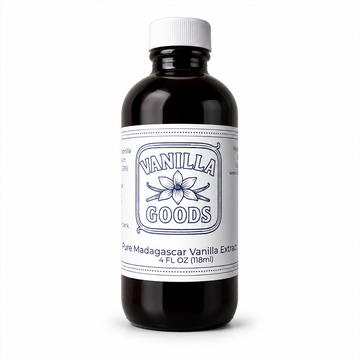
Why VanillaGoods Madagascar extract works
For bakers who make challah, babka, or sweet rolls regularly, Madagascar Vanilla Beans, Grade A offer the best starting point if you're making your own extract or want to scrape caviar for fillings. The beans are plump, aromatic, and deliver the classic creamy-sweet flavor that home bakers and professionals rely on. If you prefer ready-to-use extract, look for a Madagascar-based pure vanilla extract that lists vanilla bean extractives and alcohol as the only ingredients. This ensures you're getting the full spectrum of natural flavor compounds without additives or thickeners that can interfere with yeast activity or dough texture. VanillaGoods sources single-origin Madagascar beans and processes them to preserve the delicate balance of vanillin and supporting aromatics, so the extract you add to your dough tastes like the real thing.
Frequently asked questions
Does vanilla extract kill yeast in bread dough?
No. The small amount of extract used in bread recipes (1 to 2 teaspoons) contains far too little alcohol to harm yeast. Under FDA regulation 21 CFR 169.175, vanilla extract contains not less than 35 percent ethyl alcohol by volume, but when diluted into a dough with eggs, milk, and flour, the alcohol concentration drops to negligible levels. Yeast will proof and rise normally, and the alcohol evaporates during baking.
Can I use vanilla paste instead of extract in challah?
You can, but extract distributes more evenly. Paste is thicker and carries vanilla bean seeds, so it may create small pockets of flavor and visible specks in the dough. If you like that rustic look, go ahead and use paste (1 teaspoon paste equals 1 teaspoon extract). For a perfectly uniform crumb and color, stick with extract in the dough and save paste for the egg wash or glaze.
How much vanilla should I use in a babka filling?
For a standard babka filling (about 1 cup total volume of butter, sugar, and cocoa or cinnamon), use 1 teaspoon of vanilla paste or extract, or the seeds scraped from half a vanilla bean. This amount balances the sweetness and spice without overwhelming the other flavors. If your filling includes chocolate, consider Uganda vanilla for a bolder, more complementary note.
Will vanilla flavor fade during long proofing?
No. Vanilla's flavor compounds are stable at room temperature and even during overnight cold proofing in the refrigerator. In fact, many bakers find that enriched doughs taste more balanced the day after baking because the vanilla has had time to meld with the butter and eggs. You won't lose flavor by letting your dough rise slowly.
Can I add vanilla beans directly to bread dough?
Whole beans won't release much flavor in dough because they need sustained heat or liquid extraction to open up. If you want to use a vanilla bean, split it, scrape out the caviar, and fold the caviar into a filling or glaze. Don't knead a whole or chopped bean into the dough; it will stay hard and flavorless after baking.
Whether you're braiding a golden challah for Shabbat dinner or rolling cinnamon-scented babka for a weekend brunch, the right vanilla makes every slice more memorable. Start with a high-quality Madagascar extract, measure carefully, and mix it in early. Your bread will thank you with a warm, evenly flavored crumb that tastes as good as it smells. Explore our full collection of vanilla options to find the perfect match for your next bake.
Sources
- Metabolite Transformation and Enzyme Activities of Hainan Vanilla Beans During Curing to Improve Flavor Formation, National Center for Biotechnology Information (NCBI) (2019)
- 21 CFR 169.175 — Vanilla extract, U.S. Government Publishing Office / Electronic Code of Federal Regulations (current regulation)


Article Comments
0 commentsNo comments yet — be the first to share how this turned out for you.
Leave a comment