

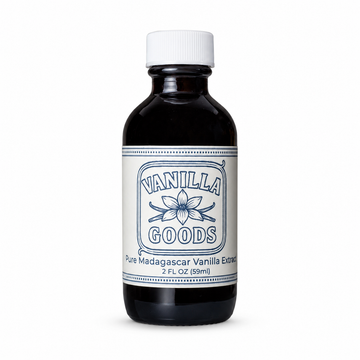
The best vanilla for cookies is premium Madagascar vanilla extract—it delivers consistent, classic vanilla character in every batch, disperses evenly through cookie dough, and offers excellent value when you make your own from quality beans.
Key takeaways
- Premium vanilla extract costs $0.40–$2.00 per batch but elevates good cookies to great ones with warm, complex depth.
- Homemade extract from Madagascar Grade B beans saves 50–75% over commercial ($0.17–$0.33 per teaspoon vs. $0.40–$1.00).
- Vanilla bean paste adds visible specks and premium presentation to sugar cookies, shortbread, and gift batches.
- Whole beans (at $1.50–$3 per recipe) are worth the splurge for showcase cookies—weddings, holidays, and special occasions.
Our Pick in One Line
For most home bakers, premium Madagascar vanilla extract—either store-bought from a trusted source or homemade from cooperative-sourced beans—is the smartest choice for cookie baking. It works across every style, from chewy chocolate chip to crisp snickerdoodles, and the difference between premium and supermarket vanilla shows up the moment someone bites into the cookie. Where cheap vanilla gives you a one-note, almost chemical sweetness that fades fast, premium vanilla builds a foundation of warm, layered flavor that complements butter, brown sugar, spices, and even chocolate without shouting. If you bake cookies often enough to go through a bottle of extract in a year, making your own from Grade B beans will save you real money while giving you complete control over strength and origin.
What Matters for This Use
Vanilla plays a quieter role in cookies than it does in ice cream or custard, but that doesn't mean it matters less—it means it has to work harder in the background. In a batch of chocolate chip cookies, vanilla isn't the star; the chips are, along with the brown-butter richness and the chewy-crisp texture. But vanilla is what makes all those flavors feel complete, rounding out the sweetness and adding a subtle warmth that keeps people reaching for another cookie. The texture of flavor matters here: premium vanilla unfolds slowly across your palate, delivering complexity that develops as you chew, while cheap vanilla hits fast and fades into a flat, slightly bitter aftertaste.
That foundation effect is especially important because cookies are social food. You bake them for Sunday dinner, pack them into tins for the holidays, bring them to potlucks, or send them as gifts. When someone tastes a cookie made with quality vanilla, they may not consciously identify what makes it better—but they notice. The cookie feels more sophisticated, more intentional, more worth savoring. For the modest cost difference—often less than a dollar per batch—premium vanilla is one of the easiest upgrades you can make.
The choice between extract, paste, and whole bean comes down to convenience, presentation, and budget. Extract wins for everyday baking because it disperses perfectly through dough, measures easily, and works in any recipe without adjustment. Paste adds visible vanilla specks and a thicker, more concentrated flavor, which makes it ideal for cookies where vanilla is front and center—think classic sugar cookies or buttery shortbread. Whole beans deliver maximum quality and visual impact, but they require scraping and careful incorporation, so they're best reserved for special-occasion cookies where the extra effort and cost feel justified.
Top Picks Table
| Type | Best For | Cost per Recipe | Key Advantage |
|---|---|---|---|
| Premium Madagascar Extract | Everyday cookie baking | $0.40–$2.00 | Versatile, easy to measure, consistent results |
| Homemade Madagascar Extract | Frequent bakers | $0.17–$0.33 | 50–75% savings, customizable strength |
| Vanilla Bean Paste | Premium or gift cookies | $1.00–$2.50 | Visible specks, restaurant-quality presentation |
| Whole Madagascar Bean (Grade A) | Showcase cookies | $1.50–$3.00 | Maximum flavor, special-occasion quality |
How to Use It
Most cookie recipes call for one to two teaspoons of vanilla extract, and that standard measurement works beautifully with premium extract—you're getting enough vanilla to build the flavor foundation without overwhelming the other ingredients. If you're making a vanilla-forward cookie like sugar cookies or vanilla sandwich cookies, bump it up to one tablespoon; the extra vanilla will shine through the butter and sugar without tasting heavy. Even in chocolate-heavy cookies, don't skimp on vanilla—it balances the cocoa's bitterness and makes the chocolate taste richer and more complex.
When you're using homemade extract, start with the same amount the recipe calls for, then taste your dough (if it's egg-safe) or adjust in future batches. Homemade extract can vary in strength depending on how long it's aged and how many beans you used, so it's worth calibrating to your specific batch. If your extract has been aging for six months, it may be gentler than a twelve-month version; if you used four beans per cup instead of three, it will be stronger. This variability is part of the charm—you're learning your vanilla the way a winemaker learns a vineyard.
Vanilla bean paste substitutes one-to-one for extract in most recipes, though you may want to use slightly less if the paste is especially concentrated. Scrape it into your butter-and-sugar mixture during the creaming step so the tiny black specks distribute evenly; they'll show up beautifully in the baked cookies, signaling quality to anyone who sees them. For whole beans, split one bean lengthwise, scrape out the caviar with the back of a knife, and add it to your creamed butter and sugar. The empty pod still has plenty of flavor—bury it in a jar of granulated sugar for a week to make vanilla sugar for your next batch, or toss it into your next bottle of homemade extract.
Timing matters less in cookies than it does in custards or cakes, but it still helps to add vanilla early in the mixing process. When you cream it into the butter and sugar, the vanilla's aromatic compounds get evenly distributed and have a chance to meld with the fat, which carries flavor beautifully through the dough. If you're adding it to a dry mixture or folding it in at the end, you'll still get good results, but the flavor may not feel as integrated.
Alternatives
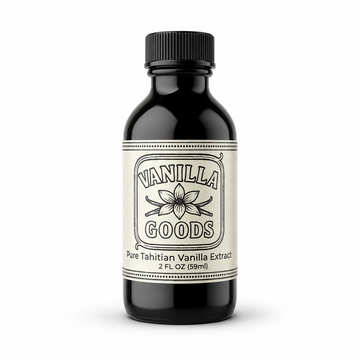
If Madagascar feels too classic or you're looking for a different flavor angle, Tahitian vanilla brings a floral, fruity character that works especially well in delicate cookies like madeleines or almond shortbread. It's lighter and less sweet than Madagascar, with notes of cherry and anise that can make a simple cookie feel unexpectedly elegant. Tahitian beans are softer and moister than Madagascar, which makes them easier to scrape, but they're also more expensive and less widely available. For most cookie applications, Madagascar remains the safer, more versatile choice.
Uganda vanilla sits between Madagascar and Tahitian—it has the classic creamy sweetness of Madagascar but with a slightly deeper, earthier undertone that some bakers love in spiced cookies or brown-butter recipes. It's often more affordable than Madagascar, especially when you're buying in bulk, and it performs beautifully in homemade extract. If you're experimenting with different origins or building a rotation of flavors, Uganda is a smart addition to your pantry.
Vanilla powder is another alternative, especially if you're making cookies for someone who avoids alcohol. It's made from ground whole beans (sometimes with a carrier like cornstarch or sugar), and it delivers concentrated vanilla flavor without any liquid. The challenge is that it doesn't disperse as evenly as extract, so you'll want to sift it with your dry ingredients or mix it thoroughly into your butter. Powder works well in no-bake cookies, pie crusts, and recipes where you don't want to add extra moisture, but for traditional drop cookies or cut-outs, extract is still easier and more predictable.
For bakers on a tight budget who still want better-than-supermarket results, look for pure vanilla extract labeled "single-fold" or "double-fold." Single-fold is the FDA standard—13.35 ounces of beans per gallon of alcohol—and it's perfectly fine for cookies. Double-fold is twice as concentrated, which means you can use half as much, stretching your bottle further. Just make sure the label says "pure vanilla extract" and lists vanilla beans and alcohol as the only ingredients; anything labeled "vanilla flavor" or "imitation vanilla" is a blend of synthetic vanillin and won't give you the depth you're looking for.
Common Mistakes and Pro Tips
The most common mistake is using too little vanilla because you're trying to stretch an expensive bottle. A teaspoon of premium extract in a batch of cookies costs less than a dollar, and cutting it in half to save fifty cents means you lose the very thing you paid for—depth and complexity. Measure generously, especially in recipes where vanilla is a lead flavor, and trust that the investment shows up in the final cookie.
Another misstep is adding vanilla too late in the process, after the dough is fully mixed. Vanilla's aromatic compounds bind to fat, so creaming it into the butter and sugar early gives you better distribution and a more cohesive flavor. If you're making a recipe that doesn't call for creaming—like slice-and-bake icebox cookies or rolled sugar cookies—whisk the vanilla into your wet ingredients before adding the flour.
Don't store your extract in the cupboard above the stove or near a window. Heat and light degrade vanilla over time, weakening the flavor and turning the liquid murky. Keep your bottles in a cool, dark cabinet, tightly capped, and they'll hold their strength for years. If you're making homemade extract, resist the urge to strain out the beans too soon—leaving them in the bottle lets the flavor keep developing, and you can top off the alcohol as you use the extract to keep a perpetual batch going.
If you're baking cookies for a large event or a sale, consider making a test batch first with a small amount of vanilla, then adjusting up if needed. Some recipes are more forgiving than others, and you'll learn which cookies benefit from a heavier vanilla hand (sugar cookies, shortbread) and which ones need a lighter touch (ginger snaps, chai spice cookies). Tasting your dough—when it's safe to do so—is one of the best ways to calibrate your vanilla instincts.
Finally, if you're using whole beans in cookies, don't throw away the scraped pods. They still hold a surprising amount of flavor. Rinse them, let them dry, and grind them into vanilla powder in a spice grinder, or bury them in your flour canister to infuse a subtle vanilla aroma into every batch you bake. You paid for the whole bean; you might as well use the whole bean.
If you're a frequent cookie baker—someone who goes through a bottle of extract every few months—making your own is one of the smartest moves you can make. A small investment in Madagascar Grade B beans and a bottle of mid-shelf vodka will give you eight ounces of premium extract for less than half the cost of buying it ready-made. The beans from VanillaGoods are sourced from cooperatives in Madagascar, which means you're getting quality at the farm level, not just at the bottling stage. Grade B beans are drier and more concentrated than Grade A, which makes them ideal for extraction—they release their flavor compounds more readily into alcohol, giving you a deeper, more robust extract with less aging time. Start your batch now, and in six to twelve months you'll have a bottle that rivals anything on the market, plus the satisfaction of knowing exactly where your vanilla came from and how it was made. For step-by-step guidance, see our complete guide to homemade vanilla extract.
FAQ
Can I substitute vanilla extract for vanilla bean in cookie recipes?
Yes, and in most cases it's actually easier and just as good. Use one tablespoon of extract in place of one whole bean, and you'll get excellent flavor distribution without the need to scrape or chop. The only trade-off is visual—you won't see the tiny black specks that signal "real vanilla" to anyone who looks closely at your cookies. If those specks matter (for a gift tin or a special occasion), use vanilla bean paste instead, which gives you both the convenience of extract and the appearance of whole bean.
Does the type of vanilla matter more in sugar cookies than in chocolate chip cookies?
It matters in both, but you'll notice the difference more clearly in sugar cookies because vanilla is one of the primary flavors. In chocolate chip cookies, vanilla works in the background, rounding out the sweetness and making the chocolate taste richer, so even a modest upgrade to premium extract will show up in the final result. In sugar cookies or shortbread, where vanilla shares the stage with just butter and sugar, the quality of your vanilla becomes much more obvious—premium extract or paste will give you a warm, complex cookie, while cheap vanilla will taste thin and slightly artificial.
How long does homemade vanilla extract need to age before I can use it in cookies?
You can start using homemade extract after about six months, but it will continue to improve for up to a year or longer. At six months, the flavor is strong enough for most cookie recipes, though it may taste a bit sharper and less rounded than a twelve-month batch. If you're in a hurry, you can use it earlier—even at two months—but you'll need to use slightly more to get the same depth. For more detail on how extract develops over time, see our month-by-month aging guide.
Can I use imitation vanilla in cookies to save money?
You can, and it will still give you a recognizable vanilla flavor, but the trade-off in quality is significant. Imitation vanilla is made from synthetic vanillin, which delivers a single-note sweetness that fades quickly and can leave a bitter aftertaste. In cookies, where vanilla is part of the foundation rather than the star, that one-dimensional character becomes more noticeable because there's nothing else to hide behind. For everyday cookies, the cost difference between imitation and premium extract is often less than a dollar per batch, and the improvement in flavor is worth it. If you're baking on a tight budget, making your own extract from quality beans is a smarter long-term solution than relying on imitation.
What's the difference between Grade A and Grade B vanilla beans for cookie baking?
Grade A beans are plumper, moister, and more visually appealing, which makes them ideal for scraping into cookie dough when you want visible specks and maximum visual impact. Grade B beans are drier and more concentrated, with a higher vanillin content, which makes them better for extract-making but less convenient for direct use in recipes. If you're making homemade extract for your cookie baking, choose Grade B; if you're splurging on whole beans for a special batch of showcase cookies, choose Grade A. For more on the differences, see our guide to the best beans for extract.
Next Steps
Once you've dialed in your vanilla choice for cookies, you'll start noticing how the same principles apply across other baking projects—cakes, frostings, ice cream, and holiday desserts all benefit from the same attention to quality and origin. If you're planning a big holiday baking session, our guide to the best vanilla for holiday baking will help you match the right vanilla to each recipe on your list. And if you're new to working with premium vanilla or want to build confidence before investing in larger quantities, start with our recommendations for the best vanilla for beginners—we'll walk you through the basics and help you taste the difference for yourself.



Article Comments
1 commentThx – I appreciate the read
Leave a comment