

The best vanilla for beginners is premium Madagascar extract — versatile, easy to use, and the perfect introduction to what real vanilla should taste like in your baking.
Key takeaways
- Start with one product: a 4 oz bottle of premium Madagascar extract for $20-40
- Skip whole beans, specialty origins, and paste initially — master the foundation first
- Build your vanilla pantry gradually: extract in year one, beans in year two, specialties in year three
- Develop your palate through simple recipes like vanilla cake, cookies, and custard where the flavor shines
- Avoid buying the cheapest vanilla (often imitation) or too much variety before you're ready
Our Pick in One Line
Premium Madagascar vanilla extract is the single product every beginner should buy first. It works in any recipe that calls for vanilla, it won't dry out or go bad before you use it, and it gives you an immediate, honest introduction to what real vanilla tastes like without the learning curve of whole beans or the confusion of comparing multiple origins. If you're baking a pound cake for Sunday dinner or stirring together a batch of sugar cookies, this one bottle does everything you need it to do while you're still figuring out what premium vanilla actually brings to your kitchen.
The reason Madagascar matters is simple: it delivers the classic vanilla character most of us expect — sweet, smooth, and complex without being unfamiliar. It's the vanilla you imagine when you think "vanilla," which means you can drop it into any recipe without second-guessing whether the flavor profile fits. Tahitian vanilla is beautiful, with its floral, fruity notes, but if you've never tasted premium vanilla at all, those delicate differences will be lost on you. Start with the standard, master it, then branch out once you know what you're tasting.
What Matters for This Use
Beginners need simplicity, versatility, and confidence that they're tasting real vanilla without breaking the budget or overwhelming their pantry. Extract checks every box because it requires no preparation — you open the bottle, measure, pour, and you're done. Whole beans are gorgeous and worth learning eventually, but they demand splitting, scraping, and careful storage to keep them from drying out. If you buy five beans and use one, the other four might turn brittle before you get around to them. Extract, on the other hand, sits on your shelf indefinitely, ready whenever inspiration strikes.
Price matters too, but not in the way most beginners assume. The $5 bottles in the supermarket baking aisle are almost always imitation vanilla — synthetic vanillin that tastes flat and one-dimensional. You'll spend less up front, but you won't learn what premium vanilla actually delivers, which defeats the entire point of upgrading. On the other end, $50 bottles of barrel-aged or rare-origin extract are wonderful, but they're wasted on a beginner who can't yet tell the difference between good and great. The sweet spot is $20 to $40 for a 4 oz bottle of premium pure Madagascar extract. That investment lasts most of a year for a home baker and gives you excellent quality without the luxury markup.
The other reason to start with extract is that it's what recipes assume you're using. If a recipe calls for "1 teaspoon vanilla," it means extract, and while you can substitute beans or paste, you have to know the conversion and adjust for moisture and intensity. Extract is the baseline — learn it first, then adapt as you gain experience.
Top Picks Comparison
| Product | Best For | Why It Works | When to Buy It |
|---|---|---|---|
| Premium Madagascar extract | Beginners, everyday baking | Classic flavor, versatile, easy to use | First purchase |
| Madagascar Grade A beans (5 count) | Learning whole beans, showcase | Small quantity, visual appeal, full flavor | Year 2 expansion |
| Madagascar Grade B beans (5 count) | Homemade extract projects | Lower moisture, extract-optimized, cost-effective | Year 2 if making extract |
| Tahitian beans (5 count) | Specialty applications, ice cream | Floral, fruity, unique profile | Year 3 specialty phase |
How to Use It
Using premium extract is as simple as following the recipe, but there are a few habits worth building early. Always measure extract over a small bowl or cup, not directly over your mixing bowl — if you accidentally pour too much, you can't take it back, and vanilla is potent. One teaspoon is the standard amount for most cakes, cookies, and custards, though you can nudge that up to a teaspoon and a half if vanilla is the star of the dish, like in a pound cake or vanilla pudding.
Add extract at the end of mixing for cold or no-bake recipes — whipped cream, buttercream frosting, or ice cream base — because heat can dull some of the more delicate flavor notes. For baked goods, it doesn't matter as much; the vanilla compounds are stable enough to survive the oven. If you're making custard or pudding on the stovetop, stir the extract in after you've taken the pan off the heat. The flavor stays brighter that way.
Store your bottle in a cool, dark cupboard, tightly capped. Extract doesn't spoil — the alcohol preserves it — but it can lose potency if exposed to light and air over months or years. If you notice the flavor fading, it's not dangerous, just weaker; use a bit more to compensate or replace the bottle.
Alternatives
Once you've worked through your first bottle of Madagascar extract and you're comfortable with how it behaves in recipes, you have a few directions you can grow. Whole Madagascar beans are the natural next step if you want to learn bean preparation and add visual drama to dishes like panna cotta or crème brûlée, where the tiny black seeds are part of the appeal. A pack of 5 Grade A beans is enough for several showcase desserts without committing to bulk storage. You can find Madagascar Vanilla Beans, Grade A, 5 Beans to try this route.
If you're drawn to making your own extract, Grade B beans are the better choice — they have lower moisture content and more concentrated flavor per bean, which makes them ideal for soaking in alcohol. You'll need 6 to 8 beans and a bottle of vodka or bourbon, plus patience; good extract takes 6 to 12 months to develop. It's a rewarding project, but only if you plan ahead and aren't in a hurry. For detailed guidance, see How to Make Homemade Vanilla Extract: The Complete Guide and Best Vanilla Beans for Homemade Extract.
Tahitian vanilla is the specialty worth exploring once you're confident in your palate. Its floral, fruity notes are stunning in cold applications like ice cream, custard, and whipped cream, where the subtleties shine through. It's less versatile than Madagascar — some people find it odd in chocolate desserts or spice cakes — but in the right dish, it's unforgettable. Best Vanilla for Ice Cream Making explores this pairing in depth.
Uganda vanilla is another option that sits between Madagascar and Tahitian: it has the classic vanilla backbone with a slightly bolder, earthier edge. It's great for cookies and cakes where you want the vanilla to stand up to brown butter or caramel, and it's often more affordable than Madagascar. If you bake cookies frequently, Best Vanilla for Baking Cookies walks through how different origins perform in dough.
Building Your Vanilla Pantry Over Time
The smartest way to grow your vanilla collection is slowly, in step with your actual baking habits and curiosity. Rushing to buy five different products at once leaves you overwhelmed and unsure which one to reach for. Instead, think in phases.
Year 1: Foundation. Buy one 4 oz bottle of premium Madagascar extract and use it in everything — cakes, cookies, pancakes, French toast, oatmeal, smoothies, coffee. Your goal this year is to develop a baseline: what does real vanilla taste like? How does it change a recipe compared to imitation vanilla or no vanilla at all? Make a simple vanilla pound cake and a batch of sugar cookies where the vanilla is front and center. Taste them, pay attention, and build your palate. This phase costs $20 to $40 and lasts most of a year for a home baker.
Year 2: Expansion. Add whole beans to your pantry — 5 Grade A beans if you want to learn splitting and scraping for custards and ice cream, or 5 to 8 Grade B beans if you're ready to start a batch of homemade extract. Either way, you're adding hands-on experience with the raw ingredient. Learn how to split a bean lengthwise, scrape out the caviar, and drop the spent pod into sugar or a bottle of extract to keep extracting flavor. This phase adds $30 to $60 to your budget, depending on whether you buy beans alone or also invest in alcohol and bottles for extract-making.
Year 3: Specialty. This is when you branch into Tahitian beans or vanilla paste for premium presentations. If you make ice cream at home or serve plated desserts for dinner parties, Tahitian beans bring a level of sophistication that Madagascar can't match. Paste is useful if you want the visual pop of vanilla seeds in buttercream or glaze without the prep work of scraping beans. This phase costs $40 to $80 and moves you into advanced territory. For professional-level guidance, see Best Vanilla for Professional Chefs.
Year 4 and beyond: Sophistication. By now you've built a full vanilla pantry: multiple extracts (store-bought and homemade), a rotating stock of beans from different origins, maybe paste or powder for specialty applications. You know which vanilla you prefer in chocolate chip cookies versus crème brûlée. You've experimented with bourbon-based extract versus rum-based, and you understand the difference between single-fold and double-fold strength. You're no longer a beginner — you're a vanilla practitioner. For deep dives into extraction techniques, explore The Art of Vanilla Extraction: From Bean to Bottle and Single-Fold vs Double-Fold vs Triple-Fold Vanilla Extract.
Common Mistakes and Pro Tips
The biggest mistake beginners make is buying the cheapest vanilla they can find, assuming all vanilla is basically the same. It's not. A $5 bottle labeled "vanilla flavoring" or "imitation vanilla" is synthetic vanillin, often derived from wood pulp or petroleum byproducts. It tastes flat, harsh, and one-dimensional — nothing like the real thing. You'll waste your effort and ingredients on a cake or batch of cookies that could have been great if you'd just spent $15 more on real extract. Start with premium, or don't bother upgrading at all.
The second mistake is buying too much variety too soon. Walking into a vanilla shop or browsing online, it's tempting to grab Madagascar, Tahitian, Mexican, and Uganda beans all at once, plus paste and powder for good measure. But if you've never tasted real vanilla before, you won't be able to tell them apart in a meaningful way. You'll end up confused, overspent, and with a pantry full of products you don't know how to use. Master one product — Madagascar extract — before you add complexity.
Buying single vanilla beans at a time is inefficient and expensive. Beans sold individually often cost $3 to $5 each, and they dry out quickly once opened. Buy in small packs of 5 beans instead — you'll pay less per bean, and you'll have enough to practice with before they lose moisture. If you only need one bean for a recipe, use it, then drop the spent pod into a jar of sugar or a bottle of vodka to keep extracting value.
Trying to make your own extract before you're ready is another common pitfall. Homemade extract is a beautiful, rewarding project, but it takes 6 to 12 months to develop full flavor. If you start a batch in January and plan to use it in March, you'll be disappointed. The extract will be weak, harsh, and not worth the beans and alcohol you invested. Plan ahead, start your batch in the off-season, and let it age properly. For month-by-month guidance, see How Long Should Vanilla Extract Age? Month-by-Month Guide.
A pro tip: keep a small notebook or note on your phone where you jot down which vanilla you used in which recipe and how you liked the result. Over time, this builds a personal vanilla map — you'll remember that Madagascar was perfect in your chocolate chip cookies but Tahitian was magical in your strawberry ice cream. It sounds fussy, but it's the fastest way to develop a confident, intentional vanilla practice.
Why VanillaGoods Madagascar Extract Works for Beginners
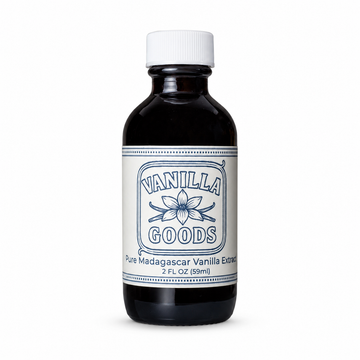
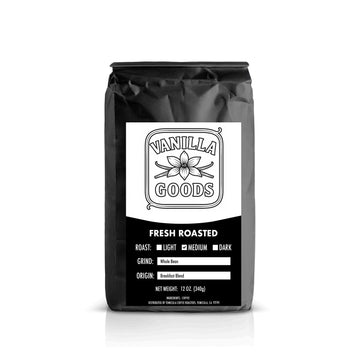
If you're ready to buy your first bottle of premium vanilla, VanillaGoods Madagascar Vanilla Beans, Grade A, 5 Beans is the right place to start if you want to try whole beans, but most beginners will get more immediate value from a bottle of extract made from those same beans — classic Bourbon vanilla from Madagascar's northeastern coast, rich in vanillin, sweet and smooth, with the creamy, slightly woody complexity that defines premium vanilla. It's versatile enough for everything from pancakes to panna cotta, and it's priced in that mid-premium range where quality is excellent without the luxury markup. One bottle lasts months, works in every recipe, and gives you the baseline you need to understand what real vanilla is supposed to taste like.
FAQ
What is the difference between Grade A and Grade B vanilla beans, and which should beginners buy?
Grade A beans are plump, moist, and visually appealing — they're meant for splitting and scraping when you want the seeds to show in the finished dish, like in custard or ice cream. Grade B beans are drier, more wrinkled, and have slightly more concentrated flavor per bean, which makes them ideal for making extract. Beginners should skip beans altogether at first and start with extract, but when you're ready to try beans, Grade A is better for learning the hands-on techniques of splitting and scraping.
Can I use extract and whole beans interchangeably in recipes?
You can substitute, but the conversion isn't exact. One whole vanilla bean is roughly equivalent to 1 tablespoon (3 teaspoons) of extract in terms of flavor strength, though the intensity and moisture differ. Beans add visual drama and a slightly different flavor profile because you're using the seeds and the pod, whereas extract is a concentrated liquid infusion. If a recipe calls for beans and you only have extract, use 1 tablespoon per bean. If it calls for extract and you want to use a bean, split it, scrape the seeds, and add both seeds and pod to the recipe (remove the pod before serving).
How long does vanilla extract last, and how should I store it?
Pure vanilla extract lasts indefinitely because the alcohol content (at least 35% by law) preserves it. Store it in a cool, dark cupboard away from heat and light, tightly capped. Over years, the flavor may mellow or fade slightly, but it won't spoil or become unsafe. If you notice the aroma weakening, use a bit more extract in your recipes or replace the bottle. Avoid storing extract in the refrigerator — the cold doesn't help, and condensation can dilute it if the cap isn't perfectly sealed.
Is imitation vanilla ever okay to use, or should I always buy pure extract?
Imitation vanilla has its place in very spiced or chocolate-heavy recipes where the vanilla plays a background role — think gingerbread or devil's food cake. But for anything where vanilla is a primary flavor — pound cake, sugar cookies, custard, whipped cream — imitation vanilla will taste flat and harsh compared to the real thing. If you're upgrading your pantry and learning to taste the difference, start with pure extract and reserve imitation vanilla for recipes where it truly won't matter. Most of the time, pure is worth the extra cost.
When should I move from extract to whole beans?
Move to whole beans when you're comfortable using extract, when you're curious about the visual and textural element of vanilla seeds in a dish, or when you're ready to make your own extract. If you're baking a custard or panna cotta for a special occasion and you want those beautiful black flecks, that's a good reason to buy 5 Grade A beans. If you're ready to commit to a 6-to-12-month extract project, buy 6 to 8 Grade B beans and start a batch. Don't rush it — extract does 95% of what most home bakers need, and beans are a specialty step, not a requirement.
Where to Go Next
Once you've worked through your first bottle of premium Madagascar extract and you're ready to explore further, the best next step is to decide which direction your baking is pulling you. If you make a lot of cookies, read Best Vanilla for Baking Cookies to see how different vanillas perform in dough. If you're drawn to custards and crème brûlée, Best Vanilla for Custards and Crème Brûlée walks through the showpiece applications where vanilla is the dish. And if you're ready to make your own extract, start with Best Alcohol for Vanilla Extract: Vodka, Bourbon & More to choose your base, then follow Cold Extraction vs Heat Extraction Vanilla: Why Slow Wins for technique. Take your time, taste everything, and let your palate lead.



Article Comments
0 commentsNo comments yet — be the first to share how this turned out for you.
Leave a comment