Purin is a small, firm-but-silky baked custard of eggs, milk and sugar set over a dark, bittersweet caramel. Turned out of its cup, it stands tall with the caramel running down its sides. Makes 6 puddings in about 6 hr 10 min.
Prep20 min
Cook50 min
Cooling5 hr
Total
6 hr 10 min
Yield
6 puddings
DietGluten free
Ingredients
Adjust yield
puddings
Scales from a half to a double batch; give a bigger batch a little more time.
Heat the oven to 300°F (150°C). Set the ramekins in a baking dish with sides at least 2 inches (5 cm) high and bring a kettle of water to a boil.
Make the caramel: put the granulated sugar and water in a small saucepan and cook over medium heat without stirring, swirling the pan now and then, until deep amber, 5 to 7 minutes. Remove from the heat and carefully add the hot water (it will sputter), then swirl to combine. Immediately divide it among the ramekins.
For the custard, warm the whole milk and granulated sugar in a saucepan over medium-low heat, stirring, until the sugar dissolves and the milk is steaming, about 130°F (55°C). Do not boil.
In a bowl, gently whisk the eggs and egg yolk without making foam. Slowly whisk in the warm milk, then the vanilla extract. Strain twice through a fine sieve.
Pour the custard over the set caramel, dividing it evenly, and pop any surface bubbles with a toothpick. Cover each ramekin with foil.
Pour hot water into the baking dish to come halfway up the sides of the ramekins. Bake until the custards are set at the edges and jiggle only slightly in the center like firm jelly, 35 to 40 minutes; the center should read 170°F (77°C).
Lift the ramekins out of the water and cool on a rack for 1 hour, then refrigerate until cold, at least 4 hours or overnight.
To serve, run a thin knife around each custard, set a plate on top and turn it over, giving a gentle shake to release the purin and its caramel.
Tips
Whisk the eggs gently: air bubbles turn into holes in the finished custard.
Keep the oven low and the water bath hot but not boiling for a smooth, glossy surface.
Take the caramel to a deep amber; pale caramel makes the purin taste flat.
Bake the custard until the center reaches at least 160°F (71°C). Hot caramel is extremely hot; add the water carefully and keep children away.
Made this?
Log it to keep your bakes, ratings and notes together in My Kitchen.
No bakers' versions yet. Yours could be the first.
Made this recipe your own way? Post your version with a photo and what you changed. It shows here with your name, linked to your baker page if you have one.
How long does it take to make purin (japanese custard pudding)?
Plan on 20 minutes of prep and 50 minutes of cooking, plus 5 hours to chill and rest. The recipe makes 6 puddings.
How should I store purin (japanese custard pudding)?
Cover and refrigerate in the ramekins up to 3 days.
Can I make purin (japanese custard pudding) ahead?
Yes. It needs time to chill and set, so it is a good one to make the day before you serve it.
Can I use a different form of vanilla?
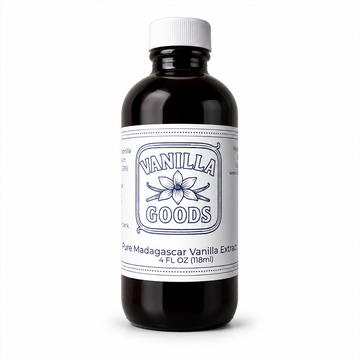
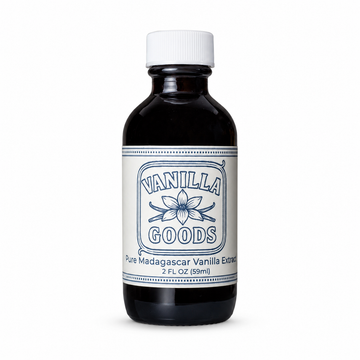
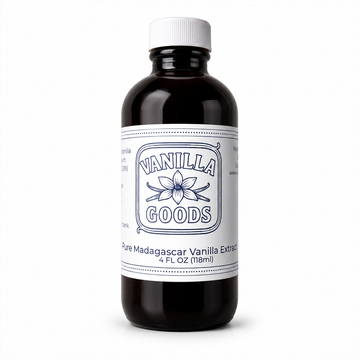
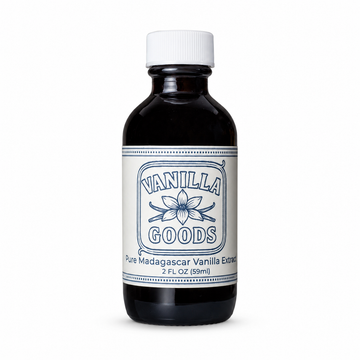
Yes. This recipe uses 1 tsp vanilla extract (5 ml). Each teaspoon of pure vanilla extract can be swapped for 1 teaspoon of vanilla bean paste, the seeds of half a vanilla bean, or 1/2 teaspoon of vanilla powder. Paste and seeds add the classic dark specks.
Purin is Japan's version of crème caramel, a baked egg-and-milk custard with a bittersweet caramel layer that is a fixture of Japanese coffee shops, bakeries and convenience stores. Serve it with hot drip coffee.
Variations
Matcha purin: whisk 6 g (1 tbsp) sifted matcha into the custard sugar before adding the warm milk, strain well and bake 5 minutes longer.
Kinako: warm 15 g (2 tbsp) kinako with the milk, then strain twice; bake time unchanged.
Kuri: top each unmolded purin with one chopped kuri kanroni (chestnut in syrup), about 15 g.
Estimated · per serving
Nutrition
Per serving = 1 of 6 servings this recipe makes.
180Calories / serving
5.5gFat
27.0gCarbs
5.8gProtein
27.0gSugar
Whole recipe (6 servings):
~1080 cal ·
33g fat ·
162g carbs ·
35g protein ·
162g sugar
Estimated values per serving, calculated from standard ingredient data. Not verified Nutrition Facts; actual values vary with brands, measurements, and preparation.





Recipe Rating
0 commentsNo comments yet — be the first to share how this turned out for you.
Leave a comment