

A vanilla old fashioned brings subtle warmth and complexity to the classic whiskey cocktail by introducing real vanilla alongside the traditional sugar and bitters. Unlike vanilla syrups, real vanilla extract or paste doesn't add sweetness but instead rounds out the whiskey's oakier notes and softens its bite. The Old Fashioned has been the reigning king of whiskey cocktails in craft bars for a decade and is still on top, according to OhBev trend data, and vanilla builds on that momentum without obscuring the spirit.
Key takeaways
- Use ¼ teaspoon pure vanilla extract or ⅛ teaspoon vanilla paste per drink; add it when you muddle the sugar.
- Bourbon and rye both work; bourbon pairs better with Madagascar vanilla, while rye handles bolder origins like Uganda.
- Stir for 30–40 seconds with ice to properly dilute and chill without overdiluting.
- Vanilla deepens the whiskey's oak and caramel notes rather than sweetening the cocktail.
- Real vanilla extract maintains clarity; vanilla paste adds tiny specks for a more artisanal look.
Why vanilla works in an old fashioned
Vanilla transforms a classic old fashioned by bridging the gap between the whiskey's woody barrel notes and the sugar's caramel sweetness. Because whiskey already carries oak, toast, and sometimes vanilla-like flavors from barrel aging, a touch of real vanilla extract amplifies what's already there instead of introducing something foreign. It softens the ethanol burn, lengthens the finish, and makes the cocktail taste rounder on the palate without adding sugar beyond what the recipe already calls for.
This is especially true when you use a high-proof bourbon or rye. The vanilla's aromatic compounds blend with the whiskey's congeners (the flavor molecules that survive distillation), creating a more cohesive sip. Unlike vanilla syrup, which adds both sweetness and vanilla flavor, pure vanilla extract contains only vanillin and other natural flavor compounds suspended in alcohol. That means you're layering aroma and complexity, not calories or cloying sweetness.
The Old Fashioned is fundamentally a spirit-forward drink, and vanilla respects that. It doesn't mask the whiskey; it frames it. If you've ever noticed how a drop of vanilla extract in coffee brings out chocolate notes you didn't know were there, the same principle applies here. For more on how vanilla interacts with other ingredients in drinks, see our guide to vanilla in drinks: cocktails, coffee, and mocktails.
Which vanilla form to use
You have four main options when adding vanilla to cocktails: extract, paste, whole beans, and powder. Each delivers vanillin and supporting flavor compounds, but they differ in convenience, texture, and visual impact. The table below compares them side by side for cocktail use.
| Form | Dosage per drink | When to add | Pros | Cons |
|---|---|---|---|---|
| Vanilla extract | ¼ tsp | With sugar, before stirring | Fast, consistent, fully dissolves | No visual cue |
| Vanilla paste | ⅛ tsp | With sugar, before stirring | Visible specks, slightly thicker mouthfeel | Can settle if not stirred well |
| Vanilla bean (scraped) | ¼ of one bean's caviar | With sugar, muddle lightly | Dramatic presentation, intense aroma | Time-consuming, inconsistent dosing |
| Vanilla powder | Small pinch | With sugar, before stirring | No alcohol added, shelf-stable | Can clump, hard to measure precisely |
For a home bar, vanilla extract is the workhorse. It's measured with a teaspoon, mixes instantly, and doesn't affect the drink's clarity. Vanilla paste offers a middle ground: it's nearly as easy to dose but leaves those photogenic flecks of bean caviar in the glass, which signals "real vanilla" to anyone you're serving. Whole beans are best reserved for batched cocktails or infused syrups where you can amortize the prep time. Vanilla powder works if you're avoiding extra alcohol, but it requires patient stirring to avoid grit.
If you're making one or two drinks at home, reach for extract. If you're hosting and want a talking point, use paste. Either way, make sure it's pure vanilla, not imitation. The FDA requires vanilla extract to contain not less than 35 percent ethyl alcohol by volume, which means real extract integrates seamlessly into spirits-based drinks. Imitation vanilla, made from synthetic vanillin, often has a harsh, one-note flavor that clashes with good whiskey.
The classic vanilla old fashioned recipe
This recipe builds on the traditional old fashioned by adding real vanilla at the muddling stage, so it blends with the sugar before the whiskey and ice go in. The result is a cocktail that tastes more integrated than one where vanilla is simply stirred in at the end.
Ingredients (per drink):
- 2 oz (60 ml) bourbon or rye whiskey
- 1 sugar cube or ½ teaspoon (2 g) granulated sugar
- ¼ teaspoon pure vanilla extract (or ⅛ teaspoon vanilla paste)
- 2–3 dashes Angostura bitters
- Orange peel, for garnish
- Large ice cube or sphere
Steps:
- Place the sugar cube (or granulated sugar) in the bottom of an old fashioned glass.
- Add the vanilla extract and bitters directly onto the sugar.
- Muddle gently with a muddler or the back of a spoon until the sugar is mostly dissolved and the mixture forms a paste. This takes about 10–15 seconds.
- Add the whiskey and stir briefly to combine.
- Add one large ice cube or sphere to the glass.
- Stir for 30–40 seconds, until the outside of the glass feels cold.
- Express the oils from an orange peel over the drink by holding it skin-side down and giving it a firm twist about an inch above the glass, then drop the peel into the drink or rest it on the rim.
Themuddling step is important because it gives the vanilla time to coat the sugar crystals, which then dissolve more evenly in the whiskey. If you pour the whiskey first and add vanilla later, you'll taste it as a separate layer rather than as part of the drink's foundation. The large ice cube melts slowly, so you get proper dilution without turning the cocktail watery halfway through.
Technique notes: timing, dilution, and when to add vanilla
Timing matters more in an old fashioned than in shaken cocktails because you're relying on stirring alone to integrate the ingredients and chill the drink. Add the vanilla early, with the sugar, so it has maximum contact time with both the sweetener and the whiskey. If you wait until after you've added ice, the vanilla won't dissolve as thoroughly, and you'll end up with pockets of strong vanilla flavor instead of an even distribution.
Stir for at least 30 seconds once the ice goes in. This sounds longer than you'd think, but whiskey cocktails need dilution to open up the aromatics and tame the alcohol heat. Under-stirred old fashioneds taste hot and tight; over-stirred ones become watery. The sweet spot is when the glass feels cold to the touch on the outside and the drink has visibly thinned just a bit. A large ice cube or sphere helps because it has less surface area than smaller cubes, so it melts more slowly and gives you a wider margin for error.
Temperature also plays a role. If your whiskey or glass is warm, the ice will melt faster, and you'll overshoot dilution before the drink is properly chilled. Keep your whiskey at room temperature (not warm) and consider chilling the glass in the freezer for five minutes before you start. That small step buys you control.
Finally, add the orange peel at the very end. Expressing the oils over the drink releases limonene and other citrus aromatics that complement the vanilla, but if you twist the peel too early and let it sit in the drink while you stir, it can turn bitter. One firm twist, then in it goes.
Five vanilla old fashioned variations
Once you've mastered the classic, these five variations let you explore different flavor profiles without straying too far from the old fashioned template. Each keeps the vanilla backbone but shifts the supporting cast.
1. Maple-Vanilla Old Fashioned
Replace the sugar cube with ½ teaspoon pure maple syrup and keep the ¼ teaspoon vanilla extract. The maple's earthy sweetness pairs especially well with rye whiskey and adds a subtle woodsy note that doubles down on the vanilla's warm spice. Stir an extra 10 seconds to fully incorporate the syrup.
2. Vanilla-Black Pepper Old Fashioned
Add a small pinch (about six turns of a pepper mill) of freshly cracked black pepper when you muddle the sugar and vanilla. The pepper's piperine compounds interact with vanillin to create a gentle heat that's aromatic rather than spicy. Use bourbon for this one; rye can get too sharp.
3. Smoked Vanilla Old Fashioned
Use a smoky Islay Scotch or a peated bourbon in place of standard bourbon, and keep the vanilla extract as written. The vanilla softens the peat smoke and brings out its sweeter, campfire-like qualities. This variation works particularly well with Madagascar vanilla, which has enough richness to stand up to smoke.
4. Vanilla-Orange Old Fashioned
Add ¼ teaspoon orange bitters in addition to the Angostura, and use both an orange peel and a lemon peel for garnish. The citrus doubles down on the brightness, and the vanilla keeps everything cohesive. This is a good summer variation when you want something a little lighter.
5. Demerara-Vanilla Old Fashioned
Swap the white sugar for a Demerara or turbinado sugar cube, which has molasses notes that echo the vanilla's caramel undertones. The drink ends up tasting richer and slightly darker. If you can't find Demerara cubes, use ½ teaspoon of loose Demerara sugar and muddle it the same way.
Troubleshooting common issues
If your vanilla old fashioned tastes too sweet, you've likely added too much sugar or didn't dilute the drink enough. Cut back to ⅓ teaspoon of sugar or muddle less aggressively, and make sure you're stirring for the full 30 seconds with ice. Vanilla extract doesn't add sweetness, so if the drink is cloying, the vanilla isn't the culprit.
If the vanilla flavor is too strong or perfumey, reduce the extract to ⅛ teaspoon or switch to a lighter origin. Madagascar vanilla is the richest and most forward; if you want something more subtle, try a Tahitian vanilla extract, which has floral notes that sit further back in the glass. Alternatively, you may be using imitation vanilla, which tends to taste sharp and synthetic. Real vanilla extract has a rounder, more complex profile.
If the drink tastes watery, you've either stirred too long or used ice that was too small and melted too fast. Switch to a single large cube or sphere, and count your stir time. If you're using crushed or small cubes, you'll overshoot dilution before the drink is cold. On the flip side, if the drink tastes hot and harsh, you've under-stirred. Let the ice do its work; 30 seconds feels long, but it's necessary.
If you see vanilla paste settling at the bottom of the glass, you didn't stir thoroughly enough after muddling. Paste is thicker than extract, so it needs a little extra agitation to disperse. Give it a few more stirs before adding the ice, or switch to extract if you want a foolproof option.
Finally, if the orange peel tastes bitter, you've either twisted it too hard (which squeezes out the white pith oils) or left it in the drink too long. Use a light, confident twist about an inch above the surface, and drop the peel in right before serving. If bitterness is already a problem, discard the peel and garnish with a fresh one.
Common mistakes to avoid
Don't add vanilla after the ice goes in. It won't integrate properly, and you'll taste it as a separate note rather than as part of the drink's structure. Always add it with the sugar at the muddling stage.
Don't skip the large ice cube. Small cubes melt too fast and wreck the balance between dilution and chill. If you don't have ice molds, you can buy large cubes at many liquor stores or use a silicone mold at home. The investment is worth it.
Don't use vanilla syrup unless you're intentionally making a sweeter drink. Vanilla syrup is sugar plus vanilla flavor, which throws off the old fashioned's carefully calibrated sugar level. Stick with pure extract or paste.
Don't over-muddle the sugar. You want it dissolved, not pulverized. Ten to fifteen seconds of gentle pressure is enough. If you grind too hard, you'll bruise the orange peel (if you added it early by mistake) or create a gritty texture that doesn't dissolve.
Why VanillaGoods extract works for cocktails
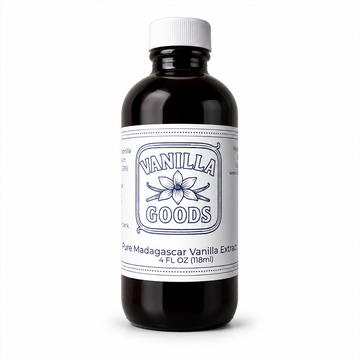
Cocktails demand vanilla that's potent, consistent, and fully soluble, which is exactly what pure vanilla extract delivers. VanillaGoods Madagascar Vanilla Beans, Grade A are the foundation for many home bartenders' extracts because they're plump, aromatic, and deliver the classic creamy-sweet vanilla profile that pairs with bourbon and rye. If you're making your own extract for cocktails, Madagascar is the safe bet; it has enough richness to stand up to high-proof spirits without tasting thin.
For those who want a slightly bolder, earthier note, Uganda Vanilla Beans, Grade A bring chocolate and dark-fruit undertones that work especially well with rye whiskey or in the smoked vanilla variation above. Uganda vanilla has a bit more backbone than Madagascar, so it won't get lost even in a spirit-forward drink. Whether you're buying beans to make extract or already have a bottle on hand, the key is using real vanilla that's been extracted in alcohol at the proper strength. For more on the extraction process, see our guide on how to make homemade vanilla extract.
Frequently asked questions
Can I use vanilla syrup instead of vanilla extract in an old fashioned?
You can, but you'll need to reduce or omit the sugar cube because vanilla syrup is already sweetened. The drink will also taste less spirit-forward and more dessert-like. If you want the complexity of vanilla without extra sweetness, stick with pure vanilla extract or paste, which adds flavor and aroma but no sugar.
Which whiskey works best with vanilla?
Bourbon pairs beautifully with Madagascar vanilla because both have creamy, caramel-forward profiles. Rye whiskey, which is spicier and drier, works well with bolder vanillas like Ugandan or Mexican, which can match its intensity. Avoid heavily peated Scotch unless you're specifically making a smoked variation; the peat can overpower delicate vanilla notes.
How much vanilla extract should I use per drink?
Start with ¼ teaspoon of pure vanilla extract per 2-ounce old fashioned. That's enough to add depth without making the drink taste like vanilla is the star. If you prefer a subtler touch, cut it to ⅛ teaspoon. Remember that a little real vanilla goes a long way; it's far more concentrated than vanilla syrup.
Can I batch vanilla old fashioneds ahead of time?
Yes. Combine the whiskey, vanilla extract, sugar (dissolved in a small amount of water first), and bitters in a bottle and store it in the fridge or freezer. When you're ready to serve, pour 2.5 ounces into a glass over a large ice cube, stir briefly, and garnish. Because the cocktail is already diluted and chilled from storage, you won't need to stir as long. This method works great for parties.
Does vanilla extract add alcohol to the drink?
Technically yes, but the amount is negligible. Pure vanilla extract contains not less than 35 percent alcohol by volume, and you're adding only ¼ teaspoon (roughly 1.25 ml) to a drink that already contains 2 ounces (60 ml) of whiskey. The additional alcohol won't affect the drink's proof or flavor in any noticeable way.
Ready to make your next old fashioned
A vanilla old fashioned is a small tweak that makes a big difference. It deepens the whiskey's natural character, softens the edges, and adds a layer of warmth that feels familiar but not obvious. Whether you're making one drink or batching for a crowd, starting with real vanilla extract or paste will give you consistent, restaurant-quality results every time. For more cocktail techniques and vanilla drink recipes, explore our full collection at the VanillaGoods recipe library.
Sources
- 21 CFR 169.175 — Vanilla extract, U.S. Food and Drug Administration (current regulation)
- Trending Cocktails 2026, OhBev (2026)


Article Comments
0 commentsNo comments yet — be the first to share how this turned out for you.
Leave a comment