

Vanilla Adulteration: How to Spot Fake and Watered-Down Vanilla
Vanilla is one of the most adulterated foods in modern commerce. The combination of high prices, simple molecular structure of the dominant flavor compound, and limited routine testing creates strong economic incentives for fraud — and a market full of products that aren't quite what they claim. Some adulteration is regulated and managed; some is criminal. Some affects only the value you receive; some involves substances banned for health reasons. Recognizing fake or watered-down vanilla protects your money, your cooking, and in some cases your health. The good news is that most common adulterations have specific tells — once you know what to look for, identifying suspicious products becomes much easier.
This article walks through the major forms of vanilla adulteration, what each involves, why it happens, and how to recognize products that may be affected. By the end, you'll have practical tools for evaluating vanilla products and avoiding the worst offenders. We'll also cover specific high-risk situations — Mexican vanilla sold to tourists, suspiciously cheap products, vague labeling — that consistently produce adulteration problems.
Why Vanilla Gets Adulterated So Often
Several factors make vanilla unusually susceptible to adulteration:
Massive price differential
Synthetic vanillin costs $10-20 per kilogram. Real vanilla extract requires beans worth $300-500 per kilogram of vanillin equivalent. The economic incentive to substitute or extend with synthetic is enormous — replacing even a small portion of real vanilla with synthetic dramatically improves margins.
Single dominant compound
Vanillin alone produces a recognizable vanilla aroma. This means an adulterated product can pass casual sensory inspection if it contains enough vanillin from any source. The other 250 compounds in real vanilla are harder to detect by smell or taste, especially after the product is incorporated into food.
Limited routine testing
Unlike some highly regulated products, vanilla isn't subject to routine government testing. Authentication testing typically only happens when complaints are filed, when specialty buyers proactively test, or during major investigations. This creates space for adulteration to persist undetected.
Complex supply chain
Multiple stages between farm and consumer create multiple opportunities for adulteration. Substitution can happen at the producer level, the curing facility, the exporter, the importer, the bottler, or the retailer. Each stage adds risk.
Consumer information gap
Most consumers don't know how to evaluate vanilla quality or read labels carefully. This information gap allows adulterated products to compete in the market based on price rather than quality.
International trade complications
Vanilla products cross borders multiple times. Different countries have different regulations and enforcement levels. Imported products may not face the same scrutiny as domestically produced ones.
Adulteration Type 1: Synthetic Vanillin Spiking
The most common form of vanilla adulteration involves adding synthetic vanillin to real vanilla extract.
How it works
A real vanilla extract is diluted, then synthetic vanillin is added to maintain or enhance the vanilla aroma. The product can taste vanilla-like (perhaps even more strongly so than the original real extract) while containing far less actual vanilla bean material.
Why it's profitable
Pure vanilla extract requires substantial bean content (FDA minimum 13.35 oz/gallon). Cutting this content with cheap synthetic vanillin saves enormous amounts on bean costs. Even modest synthetic spiking — replacing 10-30% of natural vanillin with synthetic — produces large profit improvements.
Why it's prohibited in pure extract
FDA regulations prohibit synthetic vanillin in products labeled "pure vanilla extract." Such products must be labeled differently if they contain synthetic content.
How to spot it
• Read the ingredient list: any mention of "vanillin" as a separate ingredient indicates synthetic addition
• Look at price: real vanilla extract has minimum cost levels; products much cheaper than market norms are suspect
• Check labeling: "pure vanilla extract" requires no synthetic; "vanilla flavor" or "vanilla extract and vanillin" indicates synthetic content
• Smell test: high-quality vanilla extract has complex aroma with multiple distinct notes; flat, monotone vanilla aroma may indicate synthetic dominance
• Taste test: real vanilla has lingering complexity; synthetic-spiked vanilla may have brief flat flavor
Detection methods used by professionals
Specialty importers and food testing laboratories use various methods to detect synthetic spiking:
• Carbon-14 dating (real vanilla has higher C-14 than petroleum-derived synthetic)
• Chromatographic analysis of compound ratios
• Mass spectrometry comparing isotope ratios
• Comparison of full compound profile against expected natural vanilla profile
Adulteration Type 2: Tonka Bean Adulteration
Tonka beans (from the Brazilian tree Dipteryx odorata) contain coumarin, which has a vanilla-like aroma. Tonka bean adulteration is most common in counterfeit "Mexican vanilla" but appears in other contexts.
Why it's dangerous
Coumarin has been banned as a food additive in the United States since 1954 due to concerns about hepatotoxicity. Coumarin in food can cause liver damage with chronic consumption. Pregnant women, children, and people with liver conditions are particularly at risk. The FDA prohibits coumarin in food products at any level.
How it works
Tonka beans cost a fraction of vanilla beans. Producers can extract or grind tonka beans to substitute for or extend vanilla. The aroma is recognizable as vanilla-like even though the actual chemistry is different.
Where to watch out
High-risk situations:
• "Mexican vanilla" sold to tourists in Mexico (especially border towns and tourist areas)
• Cheap vanilla products in international markets
• Bulk vanilla from informal sources
• Products labeled with vague origin claims
• Suspiciously low-priced vanilla products
How to spot it
• Avoid Mexican vanilla sold cheap to tourists
• Buy Mexican vanilla only from established US importers, not from Mexican tourist markets
• Check ingredient labels carefully for coumarin or related compounds
• Be skeptical of vanilla products at impossibly low prices
• Smell carefully — coumarin has a specific cherry-almond-vanilla character distinct from real vanilla
• Look for specific origin information from established producers
Why it persists
Despite being illegal, tonka bean adulteration persists because:
• Border enforcement is imperfect
• Tourists buy products at locations and bring them home
• Some producers operate outside formal supply chains
• Detection requires specific testing not routinely performed
• Consumer awareness remains limited
Adulteration Type 3: Dilution
Dilution involves adding water, alcohol, or other inert substances to vanilla products to extend volume.
Water dilution
The simplest form. Adding water to vanilla extract reduces alcohol content (potentially below FDA minimum 35%) and reduces overall flavor compound concentration. The product can still smell like vanilla but delivers proportionally less flavor.
Alcohol dilution
Adding cheap alcohol to maintain alcohol percentage while reducing vanilla content. The product meets technical alcohol requirements but contains less vanilla extract per ounce.
Sugar/syrup additions
Adding sugar or corn syrup beyond FDA-permitted amounts reduces alcohol content while maintaining product appearance. May affect cooking performance and flavor delivery.
How to spot it
• Compare prices to expected ranges — significantly cheaper products may be diluted
• Check alcohol content if disclosed
• Smell and taste — diluted products have weaker, less complex aroma
• Compare vanilla effect in identical recipes — diluted products require more to achieve equivalent results
• Read ingredient lists — undisclosed additions can suggest dilution
Why it's hard to prove
Dilution is harder to definitively detect than synthetic spiking. The remaining real vanilla looks chemically similar to undiluted real vanilla — there's just less of it relative to the total volume. Testing requires comparing concentration to expected ranges.
Adulteration Type 4: Origin Misrepresentation
Beyond compositional fraud, origin misrepresentation is common — products claiming origins they don't actually have.
Common patterns
• Indonesian vanilla labeled as Madagascar (because Madagascar commands premium pricing)
• Generic Madagascar labeled as "Bourbon" without verification
• Modern V. planifolia labeled as Tahitian (very different species, very different flavor)
• Multi-origin blends labeled as single-origin
• Old beans labeled as recent harvest
Why it matters
Different origins produce notably different flavors. A baker who buys Tahitian vanilla expecting its distinctive cherry-floral character but receives Madagascar vanilla will get different results. The substitution may technically not violate basic vanilla labeling but represents misleading product representation.
How to spot it
• Buy from established specialty importers with traceable supply chains
• Look for specific cooperative or farm names where appropriate
• Be skeptical of premium origin claims at non-premium prices
• Compare flavor profiles to expected origin characteristics
• Ask vendors specific questions about supply sources
Specialty importer authentication
Reputable specialty importers conduct origin authentication through:
• Visiting source cooperatives directly
• Maintaining documentation through the supply chain
• Lab analysis comparing chemical profiles to expected origin profiles
• Long-term relationships with specific producers
Brands sourcing through anonymous bulk markets typically can't verify origin claims with comparable rigor.
Adulteration Type 5: Grade Misrepresentation
Selling lower-grade beans as higher-grade represents another form of fraud.
How it works
Grade B beans labeled as Grade A. Old or damaged beans in premium packaging. Beans with hidden defects sold at premium grades.
Why it's harder than spiking but happens
Grade misrepresentation requires actually mislabeling beans rather than chemical adulteration. It's straightforward fraud but happens because grading is somewhat subjective and quality variations exist within grades.
How to spot it
• Visual inspection: Grade A beans should be flexible, oily, and full
• Test flexibility: Grade A beans bend without breaking
• Compare prices: bargain-priced "Grade A" beans are suspect
• Buy from reputable retailers with consistent quality
• Inspect each bean rather than buying sealed packages without inspection
The Mexican Vanilla Tourist Trap
"Mexican vanilla" sold to tourists is one of the most consistent adulteration problems in vanilla commerce. The pattern is so well-documented it deserves specific treatment.
The setup
Tourist destinations in Mexico (especially Cancun, Cozumel, and border towns) sell large bottles of "Mexican vanilla" at prices that are remarkably low. The bottles are often pretty, sometimes labeled with Spanish branding, and pitched to tourists as authentic Mexican specialty product.
The reality
Many of these products contain:
• Tonka bean extracts (containing illegal coumarin)
• Synthetic vanillin from various sources
• Caramel coloring to simulate aged vanilla appearance
• Minimal or no actual vanilla bean content
• Bottles often labeled in ways that obscure these facts
Why it persists
• Tourists buy without inspection or research
• Border enforcement is imperfect
• Sellers profit handsomely on tourist purchases
• Products often disappear from supply chains by the time problems are detected
• Tourist destinations rotate vendors and product names
How to avoid
• Don't buy Mexican vanilla from tourist destination markets
• Buy Mexican vanilla only from established US specialty importers
• Recognize that real Mexican vanilla is expensive even at retail
• Be skeptical of any vanilla at remarkably low prices anywhere
• Don't be fooled by attractive packaging or romantic origin stories
Real Mexican vanilla exists
Authentic Totonac vanilla from Veracruz state is a wonderful product, distinctive in flavor and culturally significant. But authentic Mexican vanilla:
• Costs comparably to other premium origins
• Comes through specialty importers, not tourist markets
• Has documented producer relationships
• Doesn't appear in cheap bottles at tourist destinations
Specific Red Flags
Beyond category-specific signals, certain general red flags should make you suspicious of any vanilla product:
Suspiciously low prices
Real vanilla has minimum production costs. Any product significantly cheaper than market norms is almost certainly adulterated, synthetic, or both.
Vague origin claims
"Premium vanilla" without origin specifics. "Tropical vanilla" without country. "Imported vanilla" without source. These vague claims often indicate anonymous bulk product where origin verification isn't possible.
Unusual packaging
Plastic bottles, unusual shapes, missing standard information, low-quality printing. Reputable vanilla brands typically use professional packaging consistent with their product positioning.
Pressure sales
Vendors pushing specific products with high-pressure sales tactics. Reputable specialty vanilla doesn't need pushing.
Limited information
Brands that won't or can't answer basic questions about supply, processing, or origin. Lack of transparency is itself suspicious.
Inconsistent quality
Brands where individual bottles or batches vary significantly. Inconsistency suggests anonymous bulk sourcing where quality control is limited.
Expired or near-expired products
Discounted vanilla products near expiration may have lost flavor compounds even if originally legitimate. Real vanilla extract has long shelf life when sealed but loses freshness after opening.
How to Test Vanilla Yourself
While professional authentication requires laboratory equipment, several tests can identify obvious adulteration at home:
The smell test
Compare your vanilla to a known high-quality reference:
• Real vanilla has multiple distinct aromatic notes (vanilla, slight floral, slight smoky)
• Synthetic-dominated vanilla smells flat and uniform
• Tonka-adulterated vanilla has cherry-almond character
• Diluted vanilla smells weaker than legitimate alternatives
The taste test
In a small amount of plain water:
• Real vanilla extract develops complex flavor with multiple notes
• Synthetic vanillin tastes flat and brief
• Adulterated products may have off-flavors or chemical undertones
The cooking test
Use the same amount of suspicious vanilla and known good vanilla in identical simple recipes (vanilla custard works well). Compare results — real vanilla produces richer, more complex flavor.
The bean inspection
For whole beans:
• Test flexibility — Grade A bends without breaking
• Inspect for visible mold or damage
• Smell — premium beans have strong distinctive aroma
• Check seed condition (visible by gently splitting and looking)
Comparative testing
If you have access to multiple products, blind taste tests reveal differences between authentic and adulterated vanilla. Your own taste buds are surprisingly capable when given direct comparison.
How to Buy Vanilla You Can Trust
Choose specialty over generic
Specialty vanilla brands invest in supply chain integrity, authentication testing, and quality control. Generic supermarket house brands typically don't. The premium pricing of specialty brands typically reflects substantive practices.
Look for transparency
Brands that disclose specific origins, share photographs of partner cooperatives, and explain their pricing tend to be more trustworthy than brands that don't. Lack of transparency is a red flag.
Check certifications
Fair Trade, organic, Rainforest Alliance, and other certifications provide third-party verification of various practices. While certifications don't directly address adulteration, they typically correlate with brands that maintain better supply chain practices.
Build vendor relationships
Buying from specialty vanilla retailers (online or in-person) lets you develop relationships and ask questions. Vendors who can answer detailed questions about their products demonstrate substantive knowledge.
Compare across products
Maintain a sense of how vanilla should taste, smell, and perform across different sources. This calibration helps you identify products that don't match expectations.
Pay fair prices
Real vanilla has real costs. Buying at fair market prices supports legitimate producers and reduces incentive for adulteration. Cheap vanilla is almost always too cheap to be real.
Reporting Adulteration
If you encounter what you believe is adulterated vanilla:
Document the product
Photograph labels, save receipts, note where purchased. Documentation supports any potential follow-up.
Contact the retailer
Reputable retailers will investigate complaints. Many problematic products move through retailers who don't realize what they're selling.
Contact the manufacturer
Some adulteration problems originate with specific manufacturers. Direct complaints can prompt internal investigation.
Report to FDA
FDA accepts complaints about food safety issues, including adulteration. Reports may not produce immediate action but contribute to broader enforcement priorities.
Share your experience
Online reviews, vanilla enthusiast communities, and social media discussion help warn other consumers. Patterns of consumer complaints sometimes prompt investigation.
VanillaGoods Final Thoughts...
Vanilla adulteration is real and persistent. The economic incentives, complex supply chains, and limited routine testing create conditions where fraud thrives. Consumers who don't know what to look for can easily end up with products that aren't what they claim.
The good news is that recognizing adulterated vanilla isn't difficult once you know what to watch for. Suspiciously low prices, vague labeling, lack of transparency, and certain specific situations (Mexican vanilla in tourist markets, generic supermarket brands) consistently produce problems. Buying from specialty brands at fair prices typically delivers authentic product.
The investment of time in learning to recognize quality vanilla pays off across years of buying decisions. You'll buy better vanilla, support legitimate producers, and avoid products that don't deliver what they promise. The cost differential between fake and real vanilla is real, but the difference in cooking results is dramatic — and the bigger picture of supporting authentic supply chains matters too.
Trust, but verify. Read labels carefully. Buy from reputable sources. Pay fair prices. These simple habits protect you from the vast majority of adulteration problems and ensure that the vanilla in your kitchen is the real thing.
Authentic Vanilla, Verified
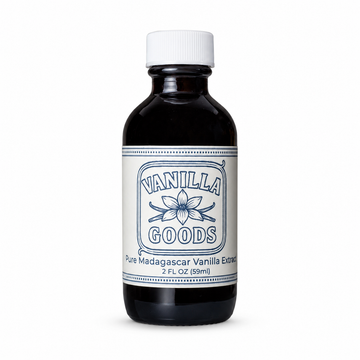
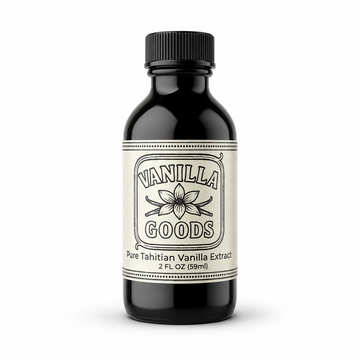
Our vanilla beans and pure vanilla extract come with full traceability — verified origin, authenticated quality, no adulteration. The real thing, every time.



Article Comments
0 commentsNo comments yet — be the first to share how this turned out for you.
Leave a comment