

Choosing the Right Alcohol for Vanilla Extract: Vodka, Bourbon, Rum & More
The single biggest decision you'll make when starting a homemade vanilla extract isn't the bean count or the aging time. It's the alcohol. The base spirit you choose shapes everything that comes after — color, sweetness, depth, and the kinds of recipes the finished extract works best in.
This guide walks through every alcohol commonly used for vanilla extraction, explains why each one produces a different result, and tells you which to choose based on what you bake. Whether you're starting your first batch or experimenting with your tenth, by the end of this you'll have a clear picture of which spirit fits your kitchen.
The Two Things Every Extraction Alcohol Must Have
Before we get to specific spirits, two non-negotiable requirements:
1. At least 35% alcohol by volume (70 proof). This is the FDA minimum for pure vanilla extract, and it exists because alcohol below that concentration won't efficiently extract vanilla's flavor compounds. Most spirits sold for drinking are 40% ABV (80 proof), which is the standard target. Higher works fine; lower is a problem.
2. A neutral or compatible flavor profile. Vanilla is subtle. The alcohol you choose either gets out of the way or adds its own character. Both can work — but you need to choose intentionally.
Vodka: The Default Choice (And Usually the Best)
Best for: Anyone making their first batch. Anyone who wants their vanilla to taste purely like vanilla. Anyone who plans to use the extract across a wide range of recipes.
Vodka is the most popular alcohol for vanilla extraction for one simple reason: it's neutral. A good vodka tastes like clean alcohol and almost nothing else, which means the vanilla bean's character comes through unmediated.
What kind of vodka?
This is one of the few cases where cheap is fine. Mid-range vodkas (Tito's, Smirnoff, Absolut, store-brand) work beautifully and produce extracts indistinguishable from those made with premium vodkas. Spending $50 on a craft vodka for extract is wasted money — you can't taste the difference once vanilla is steeped in it.
Look for unflavored, 80-proof, grain or potato-based vodka. Avoid:
• Flavored vodkas (vanilla, citrus, etc.) — the added flavors clash with vanilla extraction
• Bottom-shelf vodkas that smell harsh or chemical straight from the bottle — these have rough congeners that come through in the extract
• Anything labeled "alcohol" or "spirit" without specifying "vodka" — could be heavily processed neutral spirit
The vodka extract profile
Vodka-based extract has a clean, classic vanilla flavor — exactly what most people picture when they imagine "vanilla extract." The bean's natural notes (creamy for Madagascar, floral for Tahitian, spicy for Mexican) come through clearly. There's no competing alcohol character, just clean vanilla.
This makes vodka extract the most versatile. It works in cookies, cakes, custards, ice creams, frostings, drinks — everything. If you're only going to make one extract and want it to be your everyday workhorse, vodka is the answer.
Bourbon: For Warmth and Depth
Best for: Bakers who love rich, warm desserts. Caramel-based recipes. Pecan pies. Banana bread. Anything autumnal.
Bourbon brings caramel, oak, and slight char to a vanilla extract. The result is a more complex, deeper-tasting extract that pairs beautifully with brown sugar, butter, dark chocolate, and toasted nuts.
Important note about terminology: "Bourbon vanilla" doesn't refer to the whiskey. It's a name for vanilla beans grown in the Bourbon Islands (Madagascar, Réunion, Comoros). When pastry chefs say "bourbon vanilla," they usually mean the bean origin — not the alcohol used in the extract. To make the actual whiskey-based version, you choose bourbon as your extraction alcohol.
What kind of bourbon?
Mid-range bourbon (Buffalo Trace, Maker's Mark, Four Roses, Wild Turkey 101) works perfectly. Don't use top-shelf bourbon — the subtleties are wasted in extraction. Avoid flavored bourbons (honey bourbon, cinnamon bourbon, etc.).
If you can choose, slightly higher-proof bourbon (90–101 proof) extracts more efficiently and produces a richer extract. Bourbon's natural caramel and oak notes come from years of barrel aging — those compounds layer with vanilla beautifully.
The bourbon extract profile
Deep amber color, almost mahogany after 6 months. The flavor is unmistakably vanilla but with caramel, brown sugar, and oak undertones. Some people describe it as "vanilla with a fireplace."
Where it shines: pecan pie, sweet potato pie, bread pudding, banana bread, oatmeal cookies, brown butter desserts, anything chocolate. Where it doesn't fit: delicate desserts (panna cotta, light sponge cakes, fruit tarts), where the bourbon notes overpower the recipe.
Rum: For Tropical Warmth
Best for: Tropical desserts, coconut-forward recipes, anything with brown sugar or molasses, rum cake (obviously).
Rum is one of the most underrated extraction alcohols. It produces an extract that pairs spectacularly well with Madagascar vanilla, since both share natural caramel and tropical notes.
Light rum vs dark rum
• Light/silver rum (Bacardi Superior, Cruzan): relatively clean, lets the vanilla lead. Adds slight sweetness and a faint sugarcane note.
• Dark rum (Myers's, Goslings, El Dorado): brings molasses, brown sugar, and tropical fruit notes. Bold and rich.
• Spiced rum: avoid. The added spices clash with vanilla.
The rum extract profile
Warm, tropical, slightly sweet. Madagascar beans + dark rum is one of the great vanilla pairings — the bean's natural caramel meets the rum's molasses for an extract that tastes almost dessert-like on its own.
Where it shines: rum cake, coconut anything, banana foster, tropical fruit applications, cinnamon rolls, French toast. Less ideal for very neutral applications where you want a classic vanilla flavor.
Brandy: For Fruit and Pastry
Best for: Pastry-forward kitchens, French and European-style desserts, anything with stone fruit.
Brandy brings a fruity, slightly sweet undertone to vanilla extract. It's a favorite among classically trained pastry chefs because brandy and vanilla are foundational pairings in European baking.
What kind of brandy?
Avoid expensive cognac — wasted in extraction. A basic VS or VSOP cognac, Spanish brandy, or fruit brandy (apricot, pear) all work. Apple brandy (Calvados, applejack) makes a particularly interesting extract for fall baking.
The brandy extract profile
Mellow, fruity, with a hint of dried fruit. Brandy's natural fruit notes layer with vanilla in a way that adds depth without overwhelming. The result is an extract that feels almost "finished" — already complex on its own.
Where it shines: fruit pies and tarts, pound cakes, madeleines, bread pudding, French toast custard, crème brûlée. The brandy notes are subtle enough that this extract still works well in many "neutral" applications.
Neutral Grain Spirit / Everclear: For Power and Speed
Best for: Experienced extract makers who want maximum extraction efficiency.
Neutral grain spirit (Everclear, Devil's Springs) is essentially pure ethanol — typically 151 to 190 proof (75–95% ABV). It extracts vanilla flavor faster and more aggressively than any other alcohol because the higher alcohol concentration pulls compounds out of the bean more efficiently.
How to use it
Use the same bean ratio as you would with vodka. After your extract has aged 6+ weeks, dilute with filtered water until the final ABV is 35–40%. (For 190-proof Everclear at 50/50 with water, you end up at about 47% — close enough.) The math: 1 cup of 151-proof Everclear cut with about 2/3 cup of water yields a 35% ABV extract.
Why bother?
Two reasons. First, extraction is faster — you can have a usable extract in 4–6 weeks instead of 8–12. Second, the high alcohol concentration extracts a wider range of flavor compounds, including some that lower-proof alcohols leave behind. Some experienced extractors swear by Everclear for the depth of flavor it produces.
The neutral spirit extract profile
Surprisingly clean once diluted, similar to vodka extract but often with a bit more aromatic intensity due to broader compound extraction. Not for beginners — the dilution math takes care, and high-proof alcohol is more dangerous to handle.
Tequila and Other Spirits: Proceed with Caution
Best for: Adventurous extract makers who want to experiment.
You can extract vanilla in tequila, gin, mezcal, or any other 35%+ ABV spirit. The results are usually polarizing.
• Tequila (blanco): agave notes don't fade. The result is a vanilla-tequila hybrid that some people love (great in margaritas) and others find weird in baked goods.
• Gin: juniper and botanicals clash with vanilla. Generally not recommended.
• Mezcal: smoky character can be intriguing but only suits very specific applications.
• Whiskey (Irish, Scotch): works similarly to bourbon but each brings different secondary characteristics. Scotch's smoky notes (especially Islay) usually overwhelm vanilla.
If you're curious, do these as small experimental batches (4–8 oz) before committing to a big jar.
Comparison Table: Match Your Alcohol to Your Baking
Quick reference for which extract suits which kitchen:
• Mostly cookies, cakes, and basic baking: Vodka. Versatile, neutral, classic.
• Brown sugar / caramel-forward desserts: Bourbon. Adds depth and warmth.
• Tropical / coconut / molasses recipes: Dark rum. Tropical richness.
• European pastry / fruit-based desserts: Brandy. Fruity sophistication.
• Maximum extraction speed and depth: Neutral grain spirit, diluted. Power user choice.
The Multi-Jar Strategy
If you're committed to homemade extract, consider running multiple jars with different alcohols simultaneously. The same beans behave differently in different spirits, and having two or three options on hand lets you match the extract to the recipe.
A common setup for serious home extract makers:
• Vodka extract (everyday workhorse)
• Bourbon extract (winter / fall / holiday baking)
• Rum extract (specialty applications)
All three can age in parallel. Each costs about the same to start, and you'll find yourself reaching for different ones depending on what you're making.
Common Questions
Can I use a non-alcoholic alternative?
True extract requires alcohol — the FDA definition of pure vanilla extract specifies alcohol as the solvent. Glycerin-based vanilla flavorings exist but technically aren't extract. They're weaker, less stable, and don't perform like real extract in baking. If you need to avoid alcohol, vanilla powder is a better choice than glycerin extract.
Can I mix alcohols?
Yes. Some craft extractors blend bourbon and vodka, or rum and brandy, in the same jar. The results can be surprising. Start with 50/50 blends and adjust to taste.
What about flavored alcohol like vanilla vodka?
Skip them. The added flavorings (often synthetic vanillin themselves) clash with extraction. Use unflavored alcohol, every time.
How does alcohol choice affect aging time?
Higher-proof alcohols extract faster. Vodka and 80-proof bourbon take similar time (8 weeks minimum, 6 months ideal). 100-proof bourbon is slightly faster. Everclear is meaningfully faster (4–6 weeks for usable extract, 3–4 months for ideal). Lower-proof alcohols (70 proof) take longer.
VanillaGoods Final Thoughts...
There's no single "best" alcohol for vanilla extract. There's the best alcohol for what you bake — and matching the two thoughtfully turns an ordinary extract into something genuinely characterful.
If you're making your first batch, start with vodka. It's the foundation. Once you know what a clean vodka extract tastes like, you'll be able to evaluate the other options against that baseline. From there, branch out — bourbon, rum, brandy — and build a small library of extracts that each have their place.
Get the Beans, Pick Your Spirit
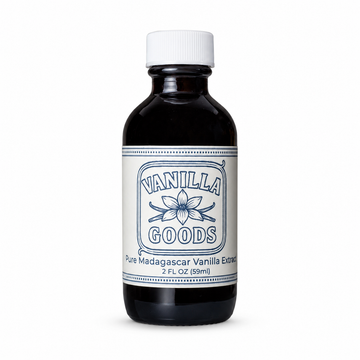
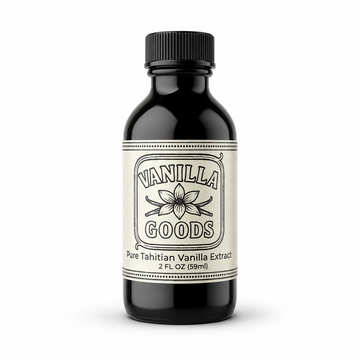
Whatever alcohol you choose, the beans matter most. Start with our Grade B Madagascar vanilla beans — flavor-dense, fairly priced, and ideal for any extract project. Or shop our pure vanilla extract if you'd rather skip ahead.



Article Comments
0 commentsNo comments yet — be the first to share how this turned out for you.
Leave a comment