

Vanilla labeling rules in the European Union and the United States set different legal thresholds for what can be called "pure vanilla extract," "natural vanilla flavoring," and related terms. The US Food and Drug Administration (FDA) and the European Commission enforce distinct standards for alcohol content, bean purity, and allowable additives, creating a regulatory landscape that shapes everything from artisan baking to industrial food production. Understanding these differences helps buyers decode ingredient labels, verify product quality, and make informed sourcing decisions.
Key takeaways
- US law requires vanilla extract to contain at least 35 percent alcohol by volume and one unit of beans per gallon; the EU mandates that natural vanilla flavoring derive at least 95 percent by weight from vanilla beans.
- Both jurisdictions restrict the term "vanilla bean" to cured fruits of Vanilla planifolia and Vanilla tahitensis, but the EU's ethylene oxide residue limit is seventy times stricter than the US standard.
- The US permits "vanilla flavor" products that blend real extract with vanillin; the EU distinguishes between "natural vanilla flavoring" and "natural vanilla flavoring with other natural flavorings" based on purity thresholds.
- Professional buyers in the US and EU must navigate both federal standards and regional labeling conventions, particularly when importing or exporting vanilla products across borders.
The short answer
In the United States, vanilla extract must contain at least 35 percent alcohol by volume and one unit of vanilla beans per gallon, according to FDA regulation 21 CFR 169.175. The European Union requires that natural vanilla flavoring be derived at least 95 percent by weight from vanilla beans, under Regulation (EC) 1334/2008. Both systems allow certain additives, but the EU's purity threshold is stricter and its residue limits for contaminants like ethylene oxide are significantly lower than US standards.
US vanilla labeling: FDA definitions and standards
The FDA's Code of Federal Regulations spells out what manufacturers may legally label as "vanilla extract" in the United States. To earn that designation, a product must meet two numerical benchmarks. First, it must contain not less than 35 percent ethyl alcohol by volume, per current FDA regulation. Second, it must include not less than one unit of vanilla constituent per gallon. The Alcohol and Tobacco Tax and Trade Bureau (TTB) defines that unit as 13.35 ounces of beans at 25 percent moisture. These rules ensure a baseline strength and authenticity for any product carrying the "pure vanilla extract" label in American commerce.
The FDA also permits "vanilla flavor" or "vanilla flavoring," which may combine real extract with synthetic vanillin or other approved flavor compounds. These blended products must still declare all ingredients on the label and cannot use the word "extract" unless they meet the full standard. Meanwhile, "imitation vanilla" or "vanilla flavored" indicates that most or all of the vanilla character comes from synthetic sources. This three-tier system gives manufacturers flexibility while preserving clear labeling for consumers who want the real thing.
Both the FDA and TTB restrict the use of the term "vanilla bean" to cured fruits of Vanilla planifolia and Vanilla tahitensis, according to 21 CFR Part 169. That means extracts made from Vanilla pompona or other species cannot legally be labeled "vanilla extract" in the US without additional qualifying language. For buyers vetting ingredient lists, this species restriction is a critical checkpoint.
EU vanilla labeling: natural flavoring and purity thresholds
European Union regulations approach vanilla from a different angle, focusing on the naturalness of the flavoring material rather than prescribing fixed alcohol or bean-per-volume ratios. Under Regulation (EC) 1334/2008, any product labeled "natural vanilla flavoring" must be derived at least 95 percent by weight from vanilla beans. The remaining five percent may consist of other natural flavor compounds or processing aids, but synthetic vanillin or nature-identical flavors are not allowed in products carrying the "natural" designation.
When a product blends vanilla with other natural flavorings in greater proportions, it must be labeled "natural vanilla flavoring with other natural flavorings" or a similar descriptive phrase that reflects the composition. This graduated nomenclature helps EU buyers distinguish high-purity vanilla products from multi-component natural flavor blends. It also raises the compliance bar for importers: a vanilla extract formulated to meet US FDA standards may not automatically satisfy the EU's 95 percent purity threshold, particularly if it contains added sugar, corn syrup, or caramel color beyond trace amounts.
The EU's stringent stance on contaminants further separates its regulatory framework from the American model. European authorities set the maximum residue level for ethylene oxide in vanilla extracts at 0.1 mg/kg, compared to the FDA's 7 mg/kg MRL for the same compound, according to 2023 regulations. Ethylene oxide is a fumigant sometimes used in spice and vanilla processing; the EU's limit is seventy times stricter. That gap has led to import rejections and recalls, particularly for vanilla shipments from origins where fumigation is routine. Professional buyers sourcing for EU markets must verify that their suppliers meet these tighter residue standards, often by requesting third-party laboratory certificates.
Comparing the frameworks: a side-by-side look
The table below summarizes the key regulatory differences between US and EU vanilla labeling rules, highlighting where the two systems diverge and where they align.
| Criterion | United States (FDA/TTB) | European Union (EC 1334/2008) |
|---|---|---|
| Minimum alcohol (extract) | 35% by volume | No fixed minimum |
| Bean input standard | ≥1 unit per gallon (13.35 oz at 25% moisture) | ≥95% by weight from vanilla beans for "natural" label |
| Permitted species | V. planifolia, V. tahitensis | V. planifolia, V. tahitensis |
| Ethylene oxide MRL | 7 mg/kg | 0.1 mg/kg |
| "Vanilla flavor" blends | Allowed; must declare all ingredients | "Natural vanilla with other natural flavorings" if <95% vanilla |
| Synthetic vanillin in "natural" | Not in "extract"; allowed in "flavor" | Not allowed in "natural" designation |
These differences reflect broader regulatory philosophies. The US system emphasizes quantitative benchmarks for specific product categories, making it straightforward for manufacturers to formulate to a standard and for inspectors to verify compliance. The EU approach prioritizes ingredient origin and purity, reserving the "natural" label for products with minimal synthetic input and enforcing stricter safety margins on residues. Neither framework is inherently superior; each serves its market's priorities and consumer expectations.
What it means in the kitchen and for buyers
For home bakers and pastry chefs, these labeling rules translate into practical quality signals. A bottle labeled "pure vanilla extract" in the US guarantees that you're getting real beans macerated in alcohol at a legally defined strength. If you're baking a batch of sugar cookies or making crème anglaise, that extract will deliver the complex flavor compounds that synthetic vanillin cannot replicate. In the EU, a "natural vanilla flavoring" label offers a similar assurance of authenticity, with the added confidence that at least 95 percent of the flavor comes directly from the bean.
Professional buyers face a more layered decision tree. If you're sourcing vanilla extract for a bakery in California, you'll want to verify that the product meets FDA standards and that the supplier can document the bean origin and processing method. If you're formulating a chocolate product for export to Germany or France, you'll need to confirm that your vanilla supplier can provide certificates of analysis showing ethylene oxide residues below the EU's 0.1 mg/kg threshold and that the flavoring qualifies as "natural" under European rules. Many US-based extract makers now offer EU-compliant product lines specifically for international customers, but not all do, so it pays to ask.
The purity thresholds also matter when you're evaluating cost. A high-strength extract that uses more beans per gallon than the FDA minimum will taste richer and may justify a higher price, even if it carries the same "pure vanilla extract" label as a baseline product. In the EU, a product labeled "natural vanilla flavoring" without qualifying language should command a premium over a blend that includes other natural flavorings. Reading labels carefully and asking suppliers about their formulation gives you the information you need to compare value across brands and borders.
How to verify vanilla labeling yourself
Start with the ingredient statement. A true vanilla extract in the US should list vanilla bean extractives, alcohol, and water, sometimes with a trace of sugar or corn syrup as a processing aid. If you see "vanillin" or "artificial flavor" on the label, the product is not pure extract. In the EU, look for "natural vanilla flavoring" or "extrait de vanille naturel" and check that the ingredient list confirms vanilla beans or vanilla extract as the dominant component.
Next, examine the color and aroma. Pure vanilla extract is typically deep amber to mahogany brown, and when you open the bottle, you should smell a warm, multifaceted bouquet that includes floral, woody, and caramel notes. Imitation vanilla or low-quality blends often smell sharply sweet or one-dimensional. If the extract is nearly colorless or smells like synthetic vanilla candies, it's likely not meeting the "pure" standard, regardless of what the label claims.
For professional buyers, request a certificate of analysis (COA) from your supplier. A reputable vanilla producer will provide lab results showing alcohol content, vanillin concentration, and residue levels for ethylene oxide and other contaminants. Cross-check those numbers against the regulatory thresholds for your market. If you're importing into the EU, confirm that the COA includes ethylene oxide testing at the 0.1 mg/kg detection limit. If you're sourcing for US distribution, verify that the alcohol and bean-unit calculations meet FDA maceration requirements.
Finally, trust your palate. Brew a small test batch of vanilla ice cream or sugar syrup using the extract in question, then compare it side by side with a known reference. Real vanilla extract made to US or EU standards will deliver layered flavor that builds and lingers, while synthetic or adulterated products fade quickly or taste flat. Sensory evaluation isn't a substitute for lab testing, but it's a valuable sanity check that catches labeling mismatches before you commit to a large order.
Industry context: who uses which standard and why
The United States remains the world's largest importer of vanilla beans and extracts, driven by demand from bakeries, ice cream manufacturers, confectioners, and the beverage industry. In 2025, US imports from Madagascar alone totaled US$70.59 million, according to UN COMTRADE data. American food manufacturers generally formulate to FDA standards because that's what the domestic market requires, and many smaller craft producers stick with the baseline one-unit-per-gallon formula to keep costs competitive during periods of high bean prices.
In the European Union, the emphasis on natural ingredients and strict contaminant limits reflects consumer preference for "clean label" products and regulatory precaution around food safety. EU buyers often pay a premium for certified organic or fair-trade vanilla, and they expect suppliers to demonstrate compliance with the 95 percent purity threshold and low residue tolerances. This has pushed some vanilla processors to invest in advanced cleaning and testing infrastructure, particularly in Madagascar, which shipped 4,442 tonnes of vanilla worth USD 225.9 million in 2024, representing 61.5 percent of world exports.
Multi-fold extracts add another layer to the professional landscape. In the US, double-fold and triple-fold vanilla extracts contain two or three times the beans per gallon required by the FDA standard, delivering more intense flavor in smaller doses. These high-strength products are popular among ice cream makers and chocolate producers who want robust vanilla character without adding excess liquid. The EU does not use the "fold" nomenclature in regulation, but European buyers can achieve similar results by specifying higher vanillin concentrations or bean-to-solvent ratios in their supply contracts.
Professional bakers, pastry chefs, and product developers working across borders often maintain dual inventories: FDA-compliant extract for North American production runs and EU-compliant natural vanilla flavoring for export lines. This dual-track approach ensures regulatory compliance and protects brand reputation in both markets. As global trade in vanilla continues to grow, understanding these labeling differences becomes part of the baseline competency for anyone sourcing or formulating with vanilla at scale.
Common mistakes and pro tips
One frequent error is assuming that "pure" always means the same thing worldwide. A product labeled "pure vanilla extract" in the US meets FDA standards, but it may not automatically qualify as "natural vanilla flavoring" under EU rules if it contains more than five percent non-vanilla ingredients by weight. Always verify the formulation against the specific regulatory framework of your target market.
Another pitfall is overlooking ethylene oxide testing when sourcing for the EU. Even if your supplier provides a COA showing compliance with US residue limits, that document may not satisfy European customs if the detection limit is too high. Request testing at or below the 0.1 mg/kg threshold, and confirm that the lab is accredited to EU standards.
Professional buyers should also watch for vague terms like "vanilla flavoring" or "vanilla essence" on ingredient lists. In the US, these phrases often signal a blend of real extract and synthetic vanillin, which is perfectly legal but different from pure extract. In the EU, "essence" may refer to a concentrated natural extract or to a flavor preparation with added ingredients. When in doubt, ask the supplier for a detailed breakdown of the formulation and compare it against the relevant regulatory definition.
A pro tip for both home and commercial users: store your vanilla extract in a cool, dark place and keep the cap tightly sealed. Alcohol-based extracts have an indefinite shelf life if stored properly, but exposure to light and air can degrade the delicate flavor compounds over time. This is true for both US-standard extract and EU-compliant natural flavoring.
Why VanillaGoods extract meets both standards
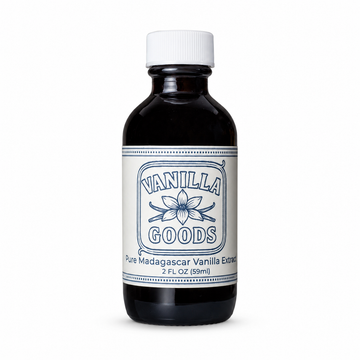
VanillaGoods produces pure vanilla extracts that comply with FDA regulations and are formulated to meet the purity expectations of international buyers. Each batch of Madagascar Vanilla Extract is made by macerating premium Grade A beans in alcohol, with no artificial flavors or synthetic vanillin. The resulting extract contains at least 35 percent alcohol by volume and exceeds the FDA's one-unit-per-gallon bean requirement, delivering the full spectrum of flavor compounds found in the bean. For buyers who need to navigate both US and EU labeling rules, working with a supplier that prioritizes transparency and quality documentation simplifies compliance and ensures consistent results across production runs.
Frequently asked questions
Can I use US vanilla extract in the EU legally?
You can import and use US vanilla extract in the European Union, but it must meet EU regulatory standards to be labeled or sold as "natural vanilla flavoring." That means at least 95 percent by weight from vanilla beans, ethylene oxide residues below 0.1 mg/kg, and no synthetic vanillin if it carries a "natural" designation. Many US extracts meet these criteria, but you should request a certificate of analysis to confirm compliance before importing or relabeling for European distribution.
What does "vanilla flavor" mean on a US label?
"Vanilla flavor" or "vanilla flavoring" in the United States indicates a product that blends real vanilla extract with synthetic vanillin or other approved flavor compounds. It must declare all ingredients on the label and cannot use the term "extract" unless it meets the full FDA standard of 35 percent alcohol and one unit of beans per gallon. This category offers a middle ground between pure extract and imitation vanilla, often at a lower price point.
Why is the EU ethylene oxide limit so much stricter?
The European Union applies a precautionary approach to food safety, setting maximum residue levels for potential contaminants at the lowest feasible detection threshold. Ethylene oxide is classified as a carcinogen, and while the FDA permits up to 7 mg/kg based on risk assessment and historical use data, the EU's 0.1 mg/kg limit reflects a policy of minimizing exposure wherever analytically achievable. This difference has significant practical impact on vanilla sourcing, as suppliers targeting EU markets must implement stricter post-harvest handling and testing protocols.
Do fold levels matter under EU regulations?
The European Union does not regulate or define "fold" levels the way US standards do. Instead, EU rules focus on the percentage by weight of vanilla-derived flavoring in the final product. A double-fold or triple-fold extract made in the US would still need to meet the 95 percent purity threshold to qualify as "natural vanilla flavoring" in Europe. European buyers interested in higher-strength extracts typically specify vanillin concentration or bean-to-solvent ratios in their supply contracts rather than referencing fold numbers.
Are there labeling differences for vanilla paste or powder?
Yes. Vanilla paste and vanilla powder are not defined in the same detail as vanilla extract under US or EU regulations, so labeling conventions vary more widely. In the US, these products should list all ingredients, and if they contain real vanilla, they may be labeled "pure vanilla paste" or "vanilla bean powder." In the EU, paste and powder must comply with the natural flavoring regulation if they carry a "natural" claim, meaning at least 95 percent by weight from vanilla beans. Always check the ingredient list and ask suppliers for formulation details if you're using these products in commercial production.
Understanding vanilla labeling rules in the EU and US gives you the confidence to source high-quality vanilla products, verify supplier claims, and formulate recipes that meet regulatory standards on both sides of the Atlantic. For pastry chefs perfecting a signature dessert or product developers scaling a new line, clear labeling and transparent sourcing are the foundation of great vanilla work. Explore our full range of pure vanilla extracts and read more about the science behind the ingredients you use every day.
Sources
- 21 CFR 169.175 – Vanilla extract, U.S. Food and Drug Administration (current regulation)
- Vanilla Extracts and Vanilla Flavors, U.S. Alcohol and Tobacco Tax and Trade Bureau (current regulation)
- Natural Vanilla Extract Production, University of Florida IFAS Extension (current regulation)
- Entering the European market for vanilla extract, Center for the Promotion of Imports from developing countries (current regulation)
- EtO & Nicotine EU Regulation: Impact on the Vanilla Industry, Monchy Natural Products (2023)
- Vanilla Market Size, Share and Forecast Report 2025 to 2034, DataIntelo (2024)
- United States Imports from Madagascar of Vanilla beans, Trading Economics / UN COMTRADE (2025)



Article Comments
0 commentsNo comments yet — be the first to share how this turned out for you.
Leave a comment