

Tahitian Vanilla: A Different Species Entirely
Most people who say "Tahitian vanilla" assume it's the same plant as other vanilla, just grown in Tahiti. It isn't. Tahitian vanilla is Vanilla tahitensis — a different species from the Vanilla planifolia that produces virtually all other commercial vanilla. The plants look similar. The beans look somewhat similar. But the flavor compounds are fundamentally different, and Tahitian vanilla delivers character that no other vanilla can match. Floral. Cherry-like. Anise notes. Almost perfumed. Once you've tasted real Tahitian vanilla, the difference from Madagascar Bourbon is unmistakable — and you understand why pastry chefs reach for it in specific applications where its distinctive profile shines.
This article explores Tahitian vanilla — the species difference, the cultivation, the flavor profile, the best applications, and how to recognize and use this specialty origin. By the end, you'll understand why Tahitian vanilla deserves its premium pricing and when to choose it over Madagascar.
The Species Difference
Two different vanillas
Commercial vanilla comes from two distinct species:
● Vanilla planifolia: the species behind Madagascar, Mexican, Indonesian, and most other commercial vanilla
● Vanilla tahitensis: the species grown in Tahiti and French Polynesia, producing distinctive Tahitian vanilla
The genetic origin
V. tahitensis is believed to be:
● A hybrid that originated in Mexico
● Possibly a cross between V. planifolia and V. pompona
● Brought to French Polynesia in the 1840s by a French admiral
● Adapted to Tahitian conditions over generations
● Now genetically distinct from its ancestors
Physical differences
Tahitian vanilla beans differ visibly from Madagascar:
● Shorter and thicker (typically 5-7 inches vs Madagascar's 6-8 inches)
● More plump and oilier appearance
● Often slightly darker color
● Sometimes more pliable
● Different aroma even when stored
Chemical differences
The flavor compound profiles differ significantly:
● Less vanillin (the dominant compound in V. planifolia)
● More anisaldehyde (creates anise/licorice notes)
● More heliotropin (creates cherry/floral notes)
● Different overall flavor compound balance
● Higher moisture content typically
The Flavor Profile
What Tahitian vanilla tastes like
Tahitian vanilla delivers:
● Pronounced floral character (like ylang-ylang or jasmine)
● Cherry-like fruit notes
● Anise or licorice undertones
● Less classic "vanilla" character
● Perfumed, almost decorative quality
● Complexity that develops on the palate
Why this profile
The distinctive flavor comes from:
● The different species's natural compound production
● Tahiti's climate and soils
● Traditional Polynesian cultivation methods
● Specific curing techniques
● Generations of selection for distinctive character
Comparing to Madagascar
Side-by-side, the differences are clear:
● Madagascar: classic, sweet, creamy, balanced
● Tahitian: floral, fruity, complex, perfumed
● Madagascar is what most people picture as "vanilla"
● Tahitian is unmistakably different
● Both are excellent but for different purposes
Why some people prefer Tahitian
Tahitian appeals when:
● You want distinctive flavor that stands out
● Floral or fruit notes complement the dish
● Cherry or anise undertones add complexity
● Premium positioning matters
● Pairings benefit from the specific profile
Where Tahitian Vanilla Grows
French Polynesia
Tahitian vanilla comes primarily from:
● Tahiti island
● Raiatea island
● Taha'a island (especially known for quality)
● Other islands in the Society Islands group
● French Polynesia's tropical Pacific environment
The Taha'a connection
Taha'a is particularly famous:
● Known as "the vanilla island"
● Produces premium quality V. tahitensis
● Concentrated cultivation expertise
● Tourism around vanilla cultivation
● Strong cooperative organizations
Climate and environment
Tahitian vanilla grows in:
● Tropical Pacific climate (similar to Madagascar in some ways)
● Volcanic soils
● Shade-grown systems
● Generally smaller-scale operations
● Cultural significance integrated with cultivation
Production volumes
Tahitian vanilla is a minor category globally:
● Approximately 1-2% of global vanilla production
● Specialty/premium positioning
● Smaller scale operations
● Cultural significance in French Polynesia
● Tourism connection to vanilla cultivation
Cultivation Differences
Vine training
Tahitian vanilla cultivation involves:
● Similar trellis or tree-climbing systems as other origins
● Specific island techniques refined over generations
● Traditional knowledge about appropriate shade trees
● Hand-pollination (same as other non-Mexican vanilla)
● Different bean development timing
Harvest timing
Tahitian beans:
● Are typically harvested when fully ripe
● Often allowed to develop more on the vine than Madagascar
● Show distinctive yellow tones at harvest
● May split naturally if left too long
● Require careful timing for optimal quality
Curing differences
Traditional Tahitian curing:
● Often produces softer, more pliable beans
● Different timing than Madagascar curing
● Uses different drying techniques
● Maintains higher moisture content
● Creates distinctive aromatic profile
Best Applications for Tahitian Vanilla
Ice cream and frozen desserts
Tahitian vanilla excels in:
● Premium vanilla ice cream
● Sorbet preparations
● Frozen mousses
● Ice cream where complexity is desired
● Specialty frozen dessert applications
Why ice cream works so well
● Cold service preserves volatile aromatic compounds
● Slow eating allows flavor development
● Pairs well with vanilla's natural creaminess
● Distinctive flavor stands out in frozen format
Custards and creams
Tahitian works beautifully in:
● Crème brûlée
● Pastry cream
● Panna cotta
● Custard-based desserts
● Mousses
● Light, delicate cream applications
Fruit pairings
Tahitian vanilla pairs particularly well with:
● Stone fruits (peaches, apricots, plums)
● Tropical fruits (mango, passion fruit, pineapple)
● Cherries (the cherry notes complement)
● Berries
● Stewed or roasted fruits
Cocktails
Tahitian vanilla shines in:
● Premium tropical cocktails
● Sophisticated rum-based drinks
● Champagne cocktails
● Aromatic vermouth combinations
● Modern craft cocktails
Baking applications
Tahitian works well in:
● Macarons (the floral character shines)
● Light, airy desserts
● Madeleines
● Premium cakes where complexity matters
● Specialty pastries
Where Tahitian doesn't work as well
Tahitian is less suited for:
● Classic vanilla applications where Madagascar character is expected
● Hot baking where heat damages volatile compounds
● Robust applications where Madagascar's stability wins
● Standard vanilla extracts (its character can dominate)
● Some chocolate combinations where its profile clashes
How to Use Tahitian Vanilla
Quantity adjustments
Compared to Madagascar:
● Often use less Tahitian vanilla per recipe
● Distinctive character can dominate if overused
● Adjust based on dish character
● Taste before adding more
Heat considerations
Tahitian vanilla's compounds:
● Some are more volatile (lost to heat)
● Cold applications preserve more flavor
● Add at end of cooking when possible
● For baked goods, accept some volatile loss
Combining with Madagascar
Many premium applications:
● Use Madagascar as base
● Add Tahitian as accent
● Layered vanilla flavor
● Best of both profiles
● Sophisticated, complex character
Storage considerations
Tahitian beans:
● Are more moisture-rich than Madagascar
● Need similar storage (cool, dark)
● Can develop mold if too moist
● Last 1-2 years properly stored
● Should be checked periodically
The Premium Pricing Story
Why Tahitian costs more
Tahitian vanilla typically costs 2-3x Madagascar:
● Smaller production scale
● Higher labor costs in French Polynesia
● Limited cultivation areas
● Specialty status
● Distinctive flavor value
● Tourism economy supporting premium pricing
Is it worth it?
Tahitian vanilla justifies its premium when:
● The application showcases its distinctive flavor
● You want unmistakable Tahitian character
● Premium positioning matters
● The dish complements the flavor profile
● You appreciate complexity over simplicity
When Madagascar is better value
Madagascar makes more sense for:
● Everyday baking applications
● Recipes calling for classic vanilla character
● Heat-intensive cooking
● Applications where vanilla is supporting rather than featured
● Budget-conscious cooking
How to Identify Authentic Tahitian Vanilla
Visual cues
Authentic Tahitian beans:
● Are shorter and thicker than Madagascar
● Often appear more plump and oily
● May show slightly different color
● Have distinctive shape proportions
Aroma identification
Tahitian beans:
● Smell distinctively different from Madagascar
● Show floral and fruity notes immediately
● Lack the strong vanillin character of Madagascar
● Have a perfumed quality
● Are immediately recognizable to those familiar
Origin verification
Look for:
● French Polynesia or Tahiti origin specifically
● Variety information (V. tahitensis)
● Reputable importers and brands
● Cooperative or direct trade sourcing
● Quality certifications
Common counterfeits
Beware of:
● "Tahitian-style" vanilla (not actually V. tahitensis)
● Vanilla labeled "Tahitian" but not specifying species
● Cheap vanilla products with vague origin claims
● Extracts where Tahitian character is artificially enhanced
The Cultural Context
Vanilla in Polynesian culture
Vanilla cultivation in French Polynesia:
● Was introduced in 1840s but became culturally significant
● Generations of cultivation knowledge developed
● Integrated with traditional agricultural practices
● Important for island economies
● Tourism centerpiece on some islands
Community organization
Tahitian vanilla involves:
● Cooperative organizations
● Family-based cultivation
● Cultural transmission of knowledge
● Community involvement in harvest and curing
● Tourism partnerships
The tourism connection
Tahitian vanilla farms often offer:
● Educational tours
● Direct purchasing opportunities
● Cultural exchange
● Insight into traditional cultivation
● Premium positioning supported by tourism
Sustainability and Tahitian Vanilla
Generally sustainable production
Tahitian vanilla cultivation tends to be:
● Smaller scale than commodity vanilla
● Traditional in approach
● Using minimal chemicals
● Shade-grown in most cases
● Cooperative organized
● Supporting island communities
Climate vulnerability
Pacific islands face:
● Climate change impacts (sea level rise, storm intensity)
● Tropical cyclones
● Changing rainfall patterns
● Limited land area for cultivation
● Need for adaptation strategies
Economic challenges
Producers face:
● Limited market scale
● Competition from cheaper origins
● High production costs
● Tourism dependence
● Need for sustainable economic models
Tahitian Vanilla in History
The 19th century introduction
Tahitian vanilla's history:
● Introduced to Tahiti in 1848 by Admiral Hamelin
● Initially struggled to cultivate
● Developed distinctive characteristics through adaptation
● Became established by late 19th century
● Recognized as distinct in early 20th century
Recognition as different species
Scientific recognition:
● Long considered same species as V. planifolia
● Recognized as distinct in early 1900s
● Confirmed through genetic analysis later
● Now established as Vanilla tahitensis
● Distinct cultivation, character, and flavor
Modern recognition
Contemporary vanilla industry:
● Recognizes Tahitian as distinct premium category
● Markets reflect species difference
● Premium chefs use it for specific applications
● Consumer awareness growing
● Educational resources expanding
The Practical Recommendations
If you're new to Tahitian vanilla
● Start with high-quality whole beans
● Use in vanilla ice cream first (best showcase)
● Try side-by-side comparison with Madagascar
● Note the differences in aroma and flavor
● Build familiarity through tasting
For experienced cooks
● Reach for Tahitian when distinctive flavor is wanted
● Combine with Madagascar for complexity
● Use in fruit-forward applications
● Save for premium presentations
● Experiment with new applications
For professional pastry
● Tahitian deserves a place alongside Madagascar in any premium kitchen
● Distinctive applications justify premium ingredient cost
● Brand positioning supported by Tahitian inclusion
● Customer education enhances appreciation
● Specialty applications drive premium pricing
Quality Grades of Tahitian Vanilla
Premium grades
Highest quality Tahitian:
● Plump, moist, oily beans
● Long beans (5-7 inches)
● Free from blemishes
● Strong aromatic character
● Premium pricing reflects quality
Standard grades
Standard Tahitian:
● Good but smaller or less perfect beans
● Still distinctively Tahitian flavor
● More affordable than premium
● Suitable for most applications
● Excellent value when properly sourced
Specialty designations
Some Tahitian vanilla has additional designations:
● Taha'a vanilla (from specific island)
● Single-estate or single-farm
● Particular age or maturity designations
● Specialty cooperative labels
● Premium positioning categories
VanillaGoods Final Thoughts...
Tahitian vanilla is one of those ingredients that proves how much origin matters. Same general crop. Same global commodity category. Yet completely different species, completely different flavor compounds, completely different culinary applications. Tahitian vanilla doesn't compete with Madagascar — it complements it. They're different tools for different purposes.
Understanding the species difference clarifies why Tahitian commands premium pricing and why pastry chefs reach for it in specific applications. The floral character. The cherry notes. The anise undertones. The perfumed quality. These aren't subtle differences — they're fundamental flavor distinctions that anyone can taste.
Tahitian vanilla isn't for everyone or every application. Classic vanilla recipes (chocolate chip cookies, vanilla pound cake, basic ice cream) often work better with Madagascar. But for fruit-forward desserts, premium ice creams, sophisticated mousses, and applications where complexity and floral character add value — Tahitian vanilla earns its premium positioning.
Consider Tahitian vanilla a specialty addition to your kitchen rather than a daily-use ingredient. When the right application calls for its distinctive character, it transforms ordinary recipes into memorable ones. The marginal cost relative to the impact is reasonable when used thoughtfully. And every time you use it, you're connecting with one of the world's most distinctive culinary ingredients — one that's genuinely different from any other vanilla on Earth.
Vanilla Beyond Tahitian
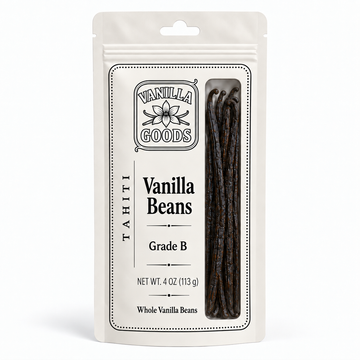
While our specialty is Madagascar vanilla beans for classic applications, Tahitian vanilla deserves a place in any serious cook's kitchen for its distinctive floral character and specialty applications.





Article Comments
0 commentsNo comments yet — be the first to share how this turned out for you.
Leave a comment